Walthamstow Wetlands
Europe's largest urban wetland reserve — 211 hectares of Victorian reservoirs turned wildlife haven in north-east London
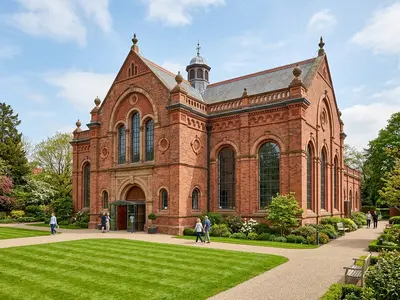
Europe's largest urban wetland reserve — 211 hectares of Victorian reservoirs turned wildlife haven in north-east London
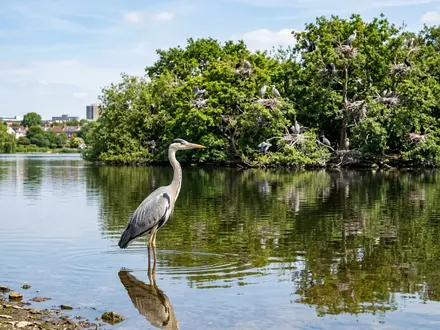
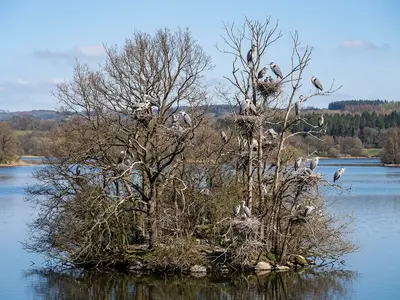
Walthamstow Wetlands is one of Europe's largest urban wetland nature reserves, stretching across 211 hectares of working Victorian reservoirs just 15 minutes by Tube from central London. The site is a designated SSSI, home to one of Britain's top five heronries and over 200 recorded bird species.
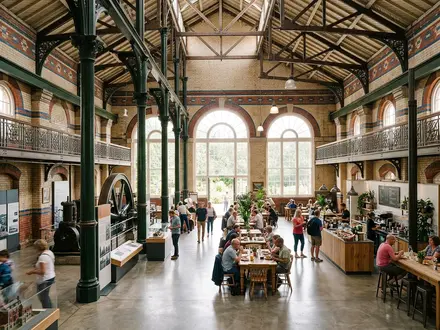
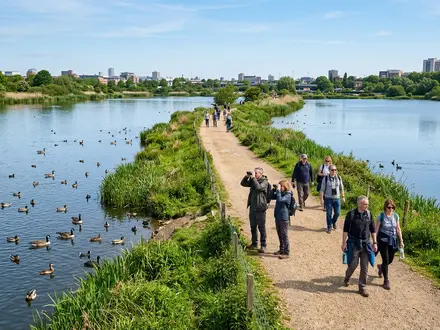
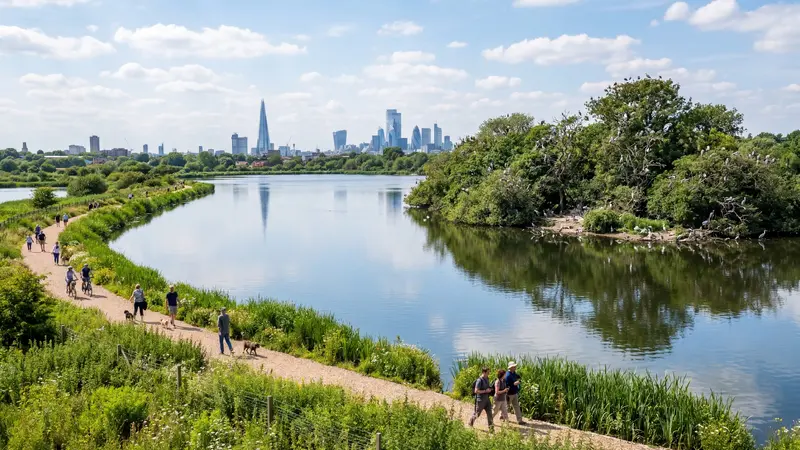
Walking the raised paths between the reservoirs, you will find kingfishers, cormorants, herons and tufted ducks against an unlikely backdrop of tower blocks and pylons. The restored Engine House serves as a visitor centre with a cafe and exhibitions on the site's 150-year waterworks heritage.
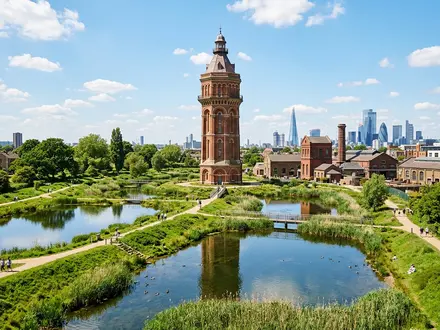
The Walthamstow Reservoirs were built between 1863 and 1904 by the East London Waterworks Company on marshland adjoining the River Lea. Ten interconnected reservoirs were constructed in stages, growing in scale as London's population surged during the Victorian era. The site passed to the Metropolitan Water Board and eventually Thames Water, remaining a fully operational water supply serving 3.5 million people across the capital.
For over a century, the reservoirs were closed to the public, which allowed wildlife to flourish undisturbed. The site was designated a Site of Special Scientific Interest in recognition of its nationally important heronry and significant populations of breeding, wintering and migratory waterbirds. In October 2017, following a 10.6 million pound restoration project led by London Wildlife Trust, Waltham Forest Council and Thames Water, the site was opened to the public as Walthamstow Wetlands.
Birdwatching is the main draw. Over 200 species have been recorded, and the reserve supports regionally important breeding populations of grey heron, tufted duck, little egret and cormorant. In winter, pochard, shoveler and gadwall gather on the open water in significant numbers. Kingfishers are regularly spotted along the waterways, and peregrine falcons hunt above the reservoirs.
The network of raised embankment paths between the reservoirs provides excellent elevated views across the water and surrounding marshland. Several bird hides are positioned at key points, and the paths are suitable for walking and cycling. The Engine House visitor centre hosts exhibitions on the site's waterworks heritage and natural history, and its cafe serves seasonal food in the restored Victorian building.
The Lea Valley offers further walking opportunities in both directions. Tottenham Marshes lies to the north, while the Queen Elizabeth Olympic Park at Stratford is accessible via the Lea towpath to the south, roughly a 40-minute walk. Walthamstow Village, a short bus ride or 20-minute walk to the east, has independent shops and restaurants along Orford Road.
The reserve has toilets at the Engine House and accessible paths along the main routes, though some embankment paths can be muddy after rain. Dogs are welcome but must be kept on leads. Binoculars are essential for serious birdwatching, though herons and cormorants are large enough to appreciate with the naked eye.
Entry to the reserve, visitor centre and cafe is completely free with no booking required
The reservoirs are large and many birds sit far from the banks. Binoculars make a significant difference, especially for spotting kingfishers and identifying ducks on the open water.
Arrive when the gates open at 9:30am for the quietest conditions and most active birdlife. Early morning light is also best for photography across the water.
The reserve closes at 5pm from April to September but at 4pm from October to March. Last entry is 30 minutes before closing, so plan accordingly.
The main paths are good but some embankment routes become muddy in wet weather. Waterproof walking shoes or boots are advisable, especially in winter months.
The Lea towpath connects the wetlands to the Queen Elizabeth Olympic Park at Stratford, about 40 minutes on foot. It makes an excellent half-day walk along the river.

London Travel Writer · 12+ years covering UK attractions and tourism
Last reviewed: June 2, 2026