A Herd With History
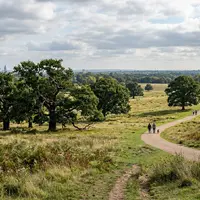
The deer of Richmond Park are not a recent introduction or a managed attraction. They have been part of this landscape since 1637, when Charles I enclosed the park's 2,500 acres as a royal hunting ground and stocked it with deer. Nearly four centuries later, their descendants still roam the same grasslands and woodlands, making them one of the longest-established herds in England.
The herd is maintained at around 630 animals through an annual cull carried out by the Royal Parks. This number is carefully calculated to match the carrying capacity of the park. Without management, the population would grow beyond what the land can support, leading to overgrazing, habitat damage, and ultimately starvation.
Red Deer and Fallow Deer
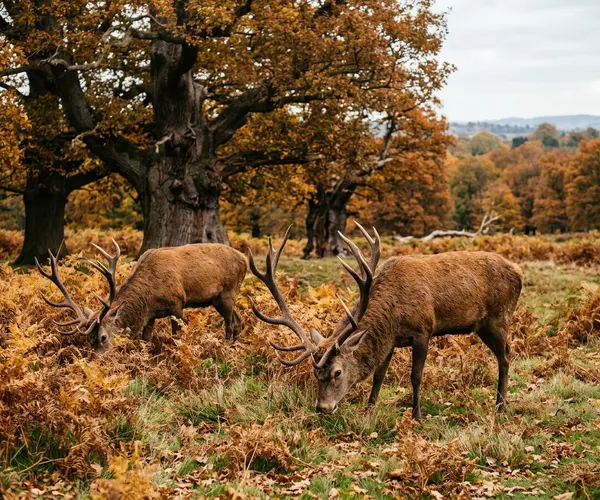
Richmond Park is home to two species. Red deer are the larger of the two, with mature stags standing over a metre tall at the shoulder and weighing up to 190 kilograms. They have rich brown coats and the males grow large, branching antlers that are shed and regrown each year.
Fallow deer are smaller and more varied in colour. They range from dark chocolate brown to pale fawn, and some individuals are almost white. Fallow bucks have broad, flat antlers that look quite different from the red deer's branching ones. Both species are beautiful animals, and seeing them grazing in open parkland with ancient oaks in the background is one of the great wildlife experiences available in any European capital.
The Rut
The annual rut, from September to November, is the most dramatic period in the deer calendar. During this time, red deer stags compete for the right to mate with groups of hinds. They roar, clash antlers, and engage in displays of strength that echo across the park.
The sound of a red deer stag roaring during the rut is extraordinary. It is a deep, guttural bellow that carries for hundreds of metres. On a misty autumn morning, with the sound reverberating through the ancient oaks, it creates an atmosphere that feels more like the Scottish Highlands than suburban London.
Fallow deer also rut, though their behaviour is slightly different. Bucks establish territories called leks and attempt to attract does through calls and displays rather than direct combat, though fights do occur.
Keeping Your Distance
The deer in Richmond Park are wild animals. While they are accustomed to the presence of people and generally appear calm, they can be unpredictable, particularly during the rut and the calving season in spring. The Royal Parks recommend keeping at least 50 metres away at all times.
Every year, people are injured because they get too close to the deer. Stags during the rut are particularly dangerous, as they are pumped with testosterone and focused entirely on competition. Even outside the rut, a startled deer can lash out with antlers or hooves. Dogs must be kept under close control at all times, as they can provoke a defensive response from the deer.
Photographing the Deer
Richmond Park is one of the best places in the country for wildlife photography, and the deer are the main draw. Early morning and late afternoon provide the best light, and during the rut the combination of mist, light, and dramatic behaviour creates conditions that attract professional and amateur photographers alike.
A telephoto lens is essential for good deer photography. This is not just about image quality but about maintaining a safe distance. The best photographs are taken from 50 metres or more, using a long lens to fill the frame without disturbing the animals. Patience matters more than equipment, and spending time watching the herd's behaviour will help you anticipate moments worth capturing.