Spring
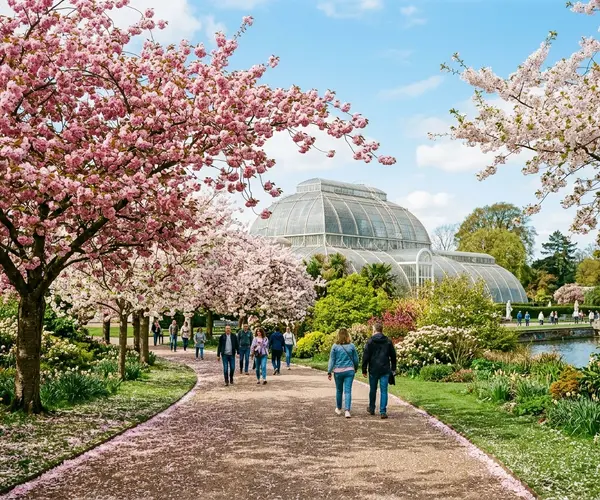
Spring is when Kew Gardens truly comes alive. From late March, the magnolias begin flowering along the Broad Walk, creating one of the most photographed scenes in London. By mid-April, the bluebell carpet in the Conservation Area is at its best, and the Japanese cherry blossoms around the lake reach their brief, stunning peak.
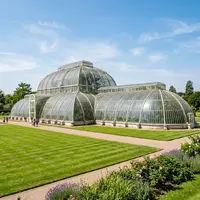
The Rock Garden and the Alpine House are also at their most interesting during spring, with thousands of small bulbs and alpine plants flowering in quick succession. The Temperate House, the world's largest surviving Victorian glasshouse, is comfortable to explore in spring weather without the intense heat it can build up during summer months. The iconic Palm House is similarly more pleasant to visit in spring than at the height of summer.
April and May weekdays offer the best combination of good weather, peak blooms and manageable crowds. Bank holiday weekends can get very busy, so aim for Tuesday to Thursday if you have the flexibility.
Summer
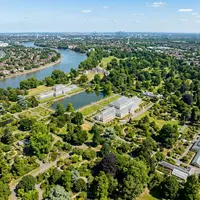
June through August is peak season for the gardens. The Rose Garden beside the Palm House is the highlight, with hundreds of varieties flowering from June onwards. The Great Broad Walk Borders, running 320 metres through the heart of the gardens, reach their most colourful and dramatic state during summer.
The glasshouses can become uncomfortably hot in midsummer, particularly the Palm House with its tropical climate. If you want to explore these, head inside first thing in the morning or later in the afternoon. The outdoor gardens, however, are at their lush best, and the longer daylight hours mean you can comfortably spend a full day exploring the 300-acre site.
Summer is also the busiest time. Weekend afternoons in July and August see the highest visitor numbers. Early morning arrivals (the gardens open at 10am) give you at least an hour of relative peace before the crowds build.
Autumn
Kew has one of the finest collections of mature trees in Britain, and from mid-October to mid-November the autumn colour is outstanding. The Arboretum contains over 14,000 trees, including acers, oaks, beeches and sweet chestnuts that turn vivid shades of gold, amber and red.
The Treetop Walkway is particularly rewarding in autumn, putting you at canopy level surrounded by colour. The lake area and Syon Vista also provide excellent autumn views. By late November the leaves are mostly fallen, but the garden takes on a peaceful, stripped-back character that many regular visitors prefer.
Winter
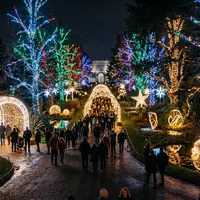
From mid-November to early January, Kew hosts its Christmas lights trail. This after-dark illuminated walk through the gardens features over one million lights, with a different theme and route each year. It has become one of London's most popular Christmas events and sells out quickly, so booking well in advance is essential.
Outside the lights trail, winter at Kew is quiet and often overlooked. The glasshouses become a welcome retreat from the cold, and the Temperate House and Palm House feel genuinely tropical on a grey January afternoon. The Winter Garden near the Orangery is planted specifically for winter interest, with colourful bark, winter-flowering shrubs and structural evergreens.
Planning Your Visit
Whatever the season, weekdays are always quieter than weekends. The gardens are large enough that even on busy days you can find peaceful areas, particularly if you head beyond the main circuit around the Palm House and Temperate House. Allow at least three to four hours for a thorough visit, and more if you want to see the glasshouses and outlying areas.