Holland Park
One of London's most enchanting green spaces — a Jacobean estate turned public park with Japanese gardens, peacocks and open-air opera
One of London's most enchanting green spaces — a Jacobean estate turned public park with Japanese gardens, peacocks and open-air opera
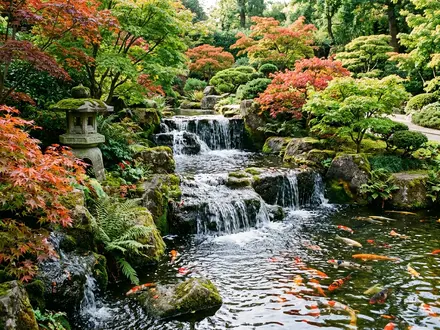
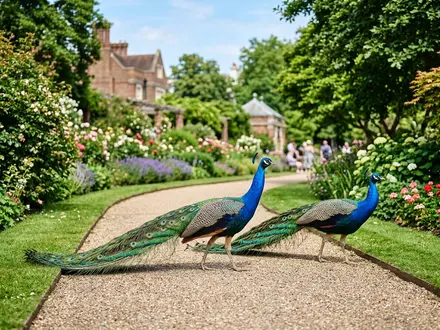
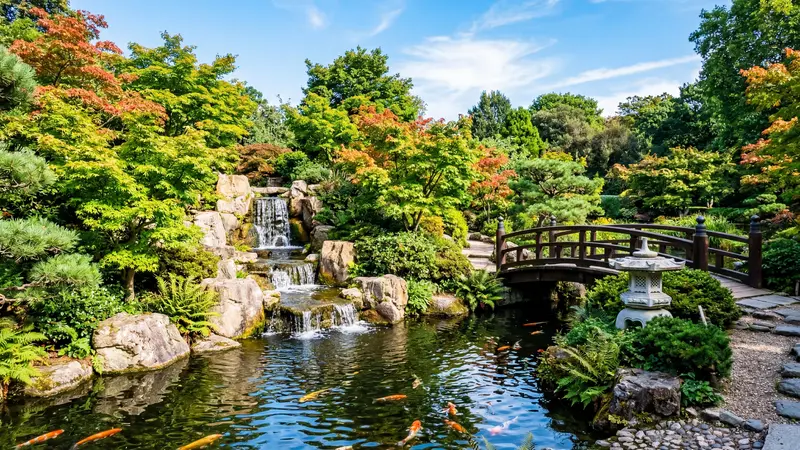
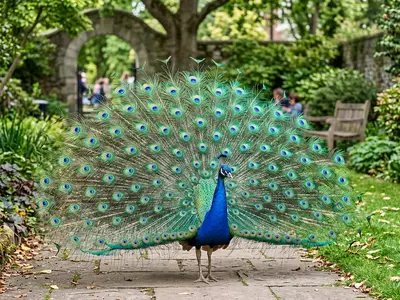
Holland Park occupies 22 hectares in the heart of Kensington, combining formal gardens, woodland walks and the ruins of a Jacobean mansion. Its centrepiece is the Kyoto Garden, a tranquil Japanese water garden gifted by the city of Kyoto in 1991, complete with koi carp, a tiered waterfall and free-roaming peacocks.
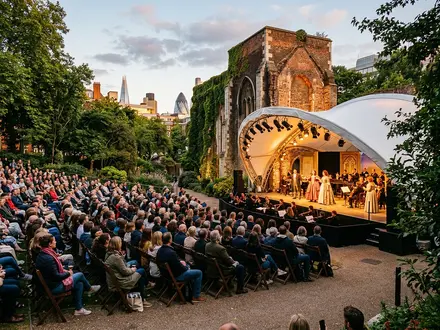
The park draws a mix of joggers, families and culture lovers, particularly during summer when Opera Holland Park stages open-air performances against the backdrop of Holland House. Despite sitting in one of London's wealthiest postcodes, it remains free to enter and feels far removed from the bustle of the city.
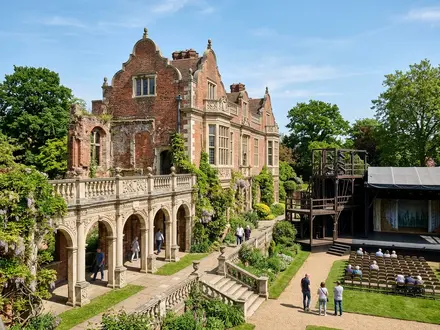
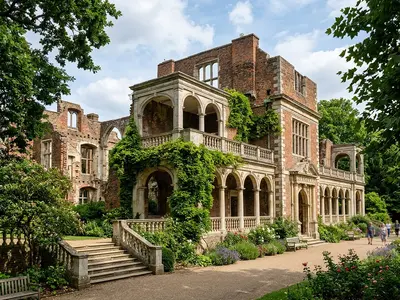
Holland Park began life as the private grounds of Cope Castle, a grand Jacobean mansion built around 1605 for Sir Walter Cope, Chancellor of the Exchequer under James I. The estate passed through several hands before being renamed Holland House by Henry Rich, the 1st Earl of Holland. For centuries the house hosted literary salons and political gatherings, welcoming figures from Lord Byron to Benjamin Disraeli.
Incendiary bombs struck Holland House during the Blitz in September 1940, gutting most of the building. Kensington Borough Council acquired the grounds in 1952 and opened them as a public park. Today the surviving east wing houses a youth hostel, while the ruined arcades and terraces lend the park an atmosphere unlike any other London green space.
The Kyoto Garden is the undisputed highlight. Designed as a traditional Japanese strolling garden, it centres on a pond fed by a tiered waterfall. Koi carp glide beneath the surface and stone lanterns line the paths. In autumn the Japanese maples blaze red and orange, drawing photographers from across the city.
Beyond the Kyoto Garden, woodland paths wind through native English bluebells in spring, while the formal Dutch Garden and the Iris Garden offer more structured planting. The park's peacocks wander freely, often appearing near the cafe terrace or along the main walkways. Children enjoy the adventure playground at the southern end, and the Cricket Lawn hosts casual games in summer.
Each year from June to August, Opera Holland Park erects a canopied open-air theatre beside the ruins of Holland House. The season typically features five or six productions, mixing popular Italian operas with lesser-known works.
Holland Park station on the Central line is the closest Tube stop, a three-minute walk from the north entrance on Holland Park Avenue. Notting Hill Gate, serving the Central, Circle and District lines, is five minutes away and useful if you are combining your visit with Portobello Road.
The park has a cafe near the Kyoto Garden serving coffee, pastries and light meals. Public toilets are located near the adventure playground. Paths are mostly paved and accessible, though some woodland trails can be uneven after rain.
Nearby attractions include the Design Museum on Kensington High Street, Leighton House Museum with its extraordinary Arab Hall, and the shops and restaurants of Notting Hill to the north. Kensington Palace and Hyde Park are a fifteen-minute walk east.
The park is free to enter year-round. Opera Holland Park runs a summer season with ticket prices varying by performance and seat category.
The Japanese maples peak in late October and early November, turning the garden into a blaze of red and gold. Early morning visits are quietest.
Opera Holland Park tickets go on sale in spring and popular performances sell out quickly. Cheaper day seats are sometimes released on the morning.
The resident peacocks roam freely but tend to gather near the cafe terrace and the Kyoto Garden pond, especially on warm afternoons.
Coming from Holland Park station, enter via the gate on Abbotsbury Road. This brings you straight to the Kyoto Garden without crossing the entire park.
This stunning Victorian artist's home is a two-minute walk from the park's south exit. The Arab Hall alone is worth the short detour.

London Travel Writer · 12+ years covering UK attractions and tourism
Last reviewed: March 9, 2026