Epping Forest
A 6,000-acre ancient woodland stretching from East London into Essex — home to 55,000 veteran trees and Iron Age earthworks
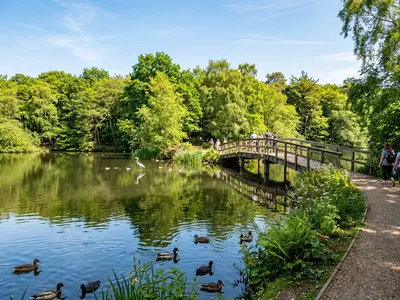
A 6,000-acre ancient woodland stretching from East London into Essex — home to 55,000 veteran trees and Iron Age earthworks
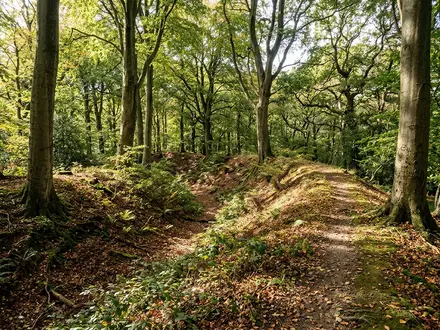
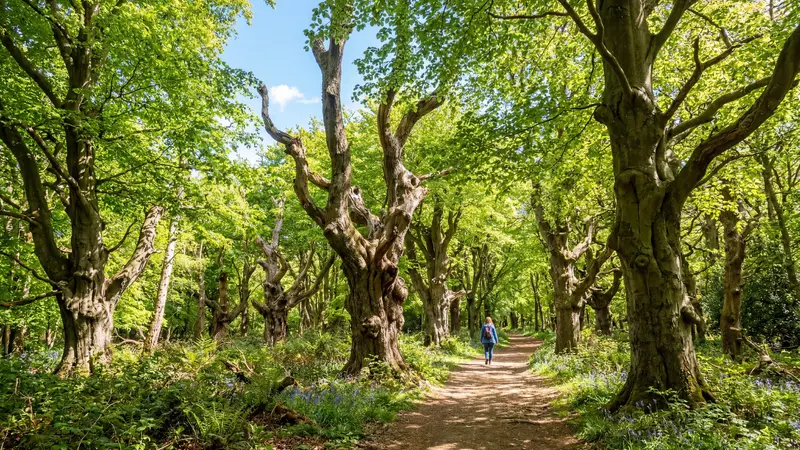
Epping Forest covers nearly 6,000 acres of ancient woodland, making it one of the largest open spaces in the London area. Some of its 55,000 veteran trees have been standing since Anglo-Saxon times, and the remains of two Iron Age hill forts — Loughton Camp and Ambresbury Banks — lie hidden among the beeches and hornbeams.
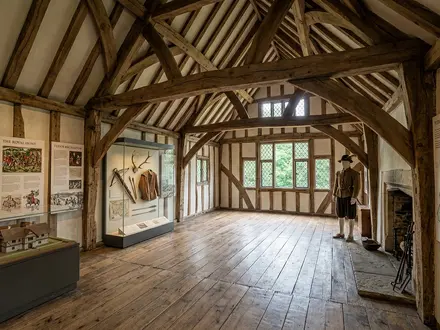
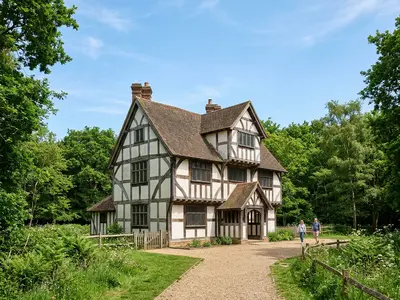
Visitors can walk beneath a canopy that has been continuous woodland since Neolithic times, explore the Tudor hunting lodge built for Henry VIII in 1543, and follow trails through open heathland, bogs and ancient pollards. The forest is free to enter and accessible from several Central Line stations.
Epping Forest has been continuously wooded since at least the Neolithic period, making it one of the oldest surviving tracts of woodland in England. The area was designated a royal forest by Henry II in the 12th century, giving the Crown exclusive hunting rights over thousands of acres of beech, hornbeam and oak woodland stretching from the edge of London into the Essex countryside.
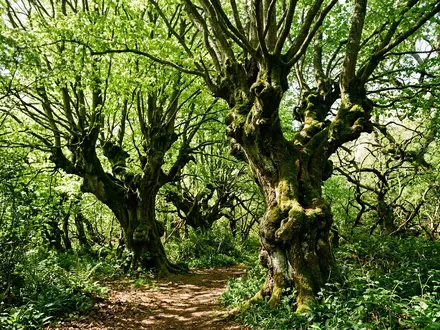
For centuries, local commoners held rights to graze cattle and lop branches for firewood, a practice that created the forest's distinctive pollarded trees — cut back at head height so that new shoots grew beyond the reach of grazing animals. By the 1850s, enclosure and development threatened to destroy the forest entirely, but a campaign led by the Corporation of London resulted in the Epping Forest Act of 1878, which placed the woodland under the City of London's permanent protection. Queen Victoria formally opened the forest to the public in 1882.
The forest offers over 100 miles of paths through a landscape that varies from dense ancient woodland to open heathland, grassland and bog. Queen Elizabeth's Hunting Lodge at Chingford, a timber-framed grandstand built for Henry VIII in 1543, is the most significant building in the forest and houses free exhibitions on Tudor history and forest ecology. The Epping Forest Visitor Centre at Chingford and the High Beach Visitor Centre provide maps, trail information and seasonal exhibitions.
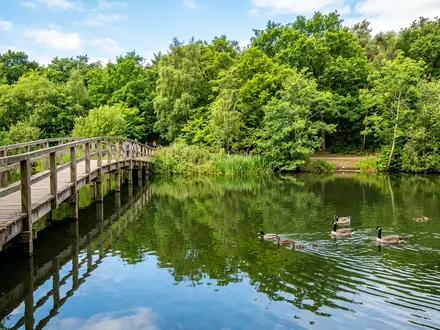
Walking trails range from the level path around Connaught Water, suitable for pushchairs and wheelchairs, to longer routes through the Iron Age earthworks at Loughton Camp and Ambresbury Banks. The forest is also popular for horse riding, cycling on designated routes, and birdwatching — over 100 species breed here, including all three native woodpeckers, hawfinches and rare wood warblers. In spring, carpets of bluebells cover the woodland floor beneath the ancient pollards.
Epping Forest is unusually accessible for a woodland of its size. Five Central Line stations — Snaresbrook, Wanstead, Loughton, Theydon Bois and Epping — give direct access to different sections of the forest from central London. Chingford station on the Weaver Line connects to Liverpool Street in around 25 minutes and is the best starting point for the Hunting Lodge and southern forest trails.
Car parks are scattered throughout the forest and managed by the City of London Corporation, with charges payable via the RingGo app. The forest borders several other green spaces, including Wanstead Park and Wanstead Flats to the south, and connects to the Lee Valley Regional Park. The town of Epping, at the northern end of the Central Line, has pubs and cafes for refreshments. The Butler's Retreat cafe beside the Hunting Lodge at Chingford is a popular stop for walkers.
The forest and all visitor centres are completely free to enter. Car parking charges apply at City of London managed car parks, payable via the RingGo app.
The Chingford Visitor Centre and Queen Elizabeth's Hunting Lodge make the best starting point. Pick up a trail map inside and walk north into the forest along well marked paths from Rangers Road.
Many forest paths are unsurfaced and become deeply muddy after rain, particularly through November to March. Waterproof walking boots are essential. The Connaught Water path stays firmer than most routes.
The bluebell display peaks in late April to early May, carpeting the woodland floor beneath the ancient pollards. The area around Bury Wood and the slopes near High Beach are particularly good spots.
All City of London car parks in the forest use cashless payment via the RingGo app. Download and register before your visit to avoid delays. Blue Badge holders park free in all forest car parks.
Most visitors cluster around Chingford and High Beach. The northern section between Theydon Bois and Epping is noticeably quieter and has some of the finest ancient pollard groves in the entire forest.

London Travel Writer · 12+ years covering UK attractions and tourism
Last reviewed: March 10, 2026