Dinton Pastures Country Park
A 350-acre lakeland country park near Wokingham — seven lakes, nature reserves, watersports and adventure playgrounds
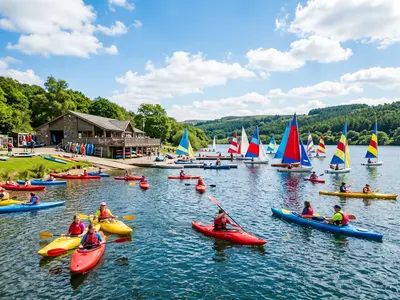
A 350-acre lakeland country park near Wokingham — seven lakes, nature reserves, watersports and adventure playgrounds
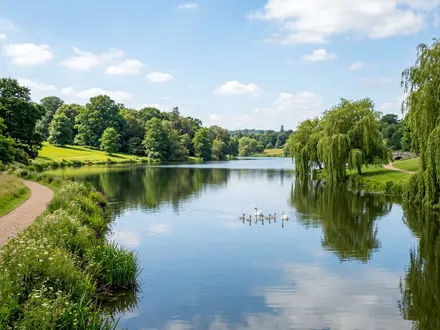
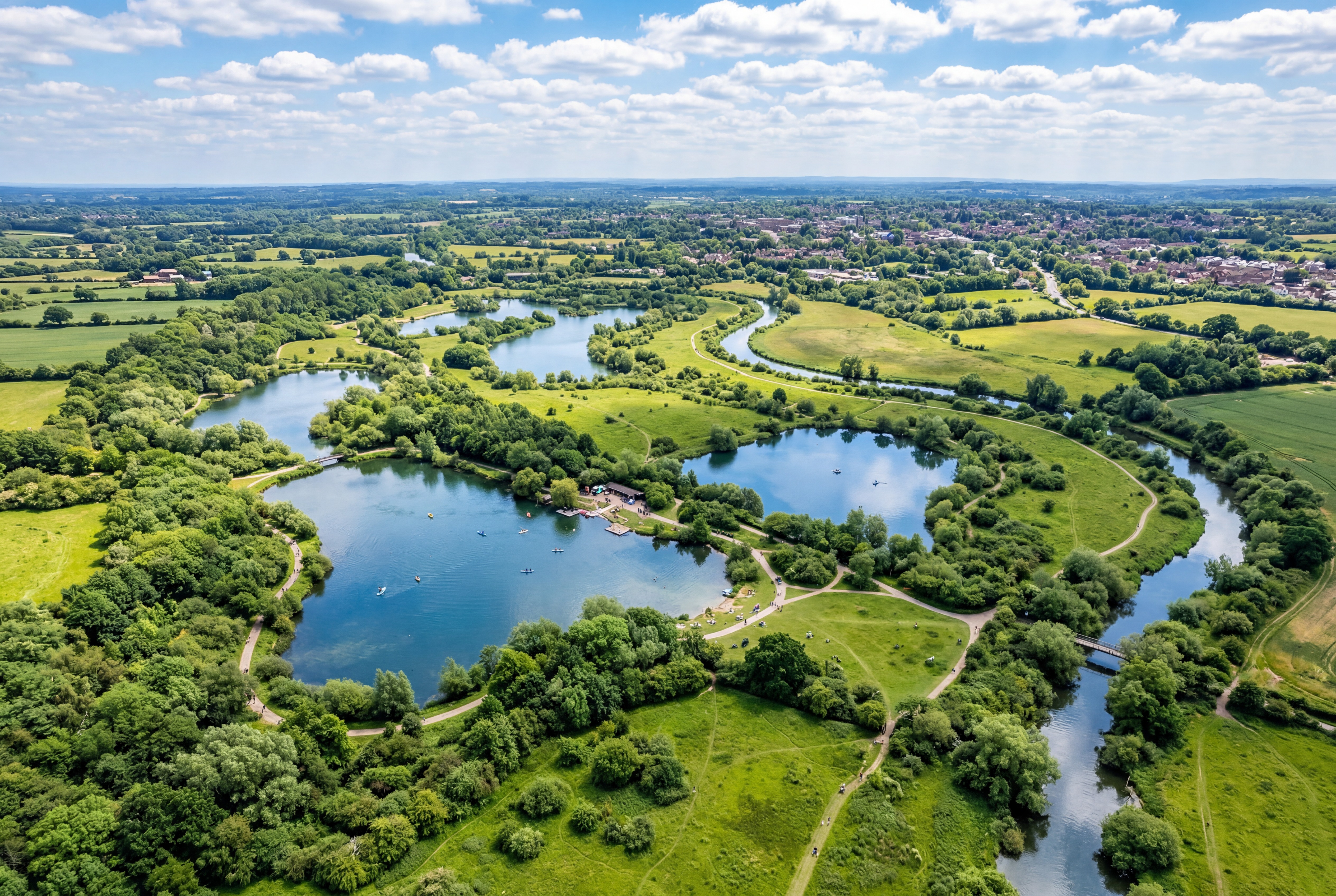
Dinton Pastures Country Park covers 350 acres of former gravel workings on the outskirts of Wokingham in Berkshire, now transformed into a mosaic of seven lakes, two rivers, meadows and woodland. The site was actively quarried for gravel from the 1930s until the late 1960s, after which the exhausted pits gradually filled with water and the surrounding land rewilded. Wokingham Borough Council opened the park to the public in 1979, and it has since become one of the most popular countryside destinations in the Thames Valley.
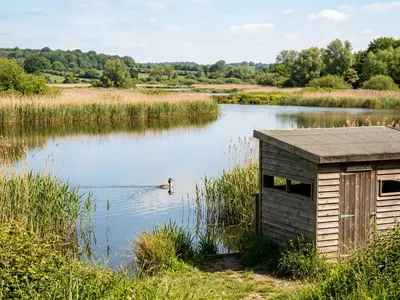
The River Loddon and the Emm Brook flow through the park, connecting a chain of lakes that includes Black Swan Lake, Sandford Lake, White Swan Lake and Teal Lake. A network of surfaced and natural footpaths links the lakes, meadows and wooded areas, offering circular walks of varying lengths. Three public bird hides overlook the most productive wetland areas, and over 200 bird species have been recorded on site. The Dinton Activity Centre on Black Swan Lake provides sailing, kayaking, paddleboarding and climbing, while the adventure playground, cafe and picnic areas make it a reliable family day out year-round.
The land that is now Dinton Pastures was once farmland and water meadow along the River Loddon, a chalk stream that flows north to join the Thames near Wargrave. Gravel extraction began here in the 1930s and continued for more than thirty years, leaving behind a series of deep pits that gradually filled with groundwater and rainfall. By the early 1970s the worked-out landscape had begun to naturalise, with reed and willow colonising the margins of the new lakes and wading birds discovering the shallow pools.
Wokingham Borough Council recognised the potential of the site and acquired the land, opening Dinton Pastures as a public country park in 1979. The name Dinton comes from the nearby hamlet, itself recorded in the Domesday Book of 1086. Since opening, the council has steadily improved access with surfaced paths, car parks, play areas and visitor facilities, while allowing the wilder areas of the park to develop as important wetland habitats.
Seven lakes form the backbone of the park, each with a slightly different character. Black Swan Lake is the largest and most actively used, home to the Dinton Activity Centre and a popular venue for sailing, kayaking and open-water swimming events. Sandford Lake, to the east, is quieter and favoured by anglers and birdwatchers, with a public hide overlooking the water. White Swan Lake attracts large numbers of wintering wildfowl, including tufted duck, pochard and gadwall, while the smaller Teal Lake, Herons Water and two unnamed pools provide secluded corners for wildlife.
The River Loddon enters the park from the south and winds through the centre before continuing north towards the Thames. It is classified as a chalk stream, one of a globally rare habitat type, and supports brown trout, water vole and a range of aquatic invertebrates. The Emm Brook, a smaller tributary, also passes through the park and adds to the diversity of flowing-water habitats.
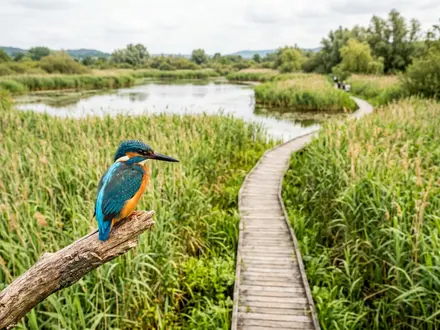
Dinton Pastures is one of the most important birdwatching sites in Berkshire. Over 200 species have been recorded within the park boundary, and atlas surveys conducted between 2007 and 2011 ranked it among the top three richest sites in the county for breeding and wintering birds. Three public bird hides are positioned around Sandford Lake and Lavell's Lake, offering sheltered views over open water, reedbeds and muddy margins.
Regular breeding species include great crested grebe, kingfisher, reed warbler, reed bunting and Cetti's warbler, which colonised the park in the early 2000s. Winter brings significant numbers of wildfowl and a large gull roost on Lavell's Lake that can exceed several thousand birds. Scarcer visitors over the years have included bittern, osprey, marsh harrier and the occasional smew.
The northern section of the park around Lavell's Lake is managed as a Local Nature Reserve by the Lavell's Wetland Trust, a volunteer-run conservation charity established to protect and enhance the wetland habitats. The reserve was formally designated in 1992 and has since been expanded and improved with new scrapes, islands and planting to benefit breeding waders and wintering wildfowl. The trust runs regular guided walks, bird counts and habitat management sessions throughout the year.
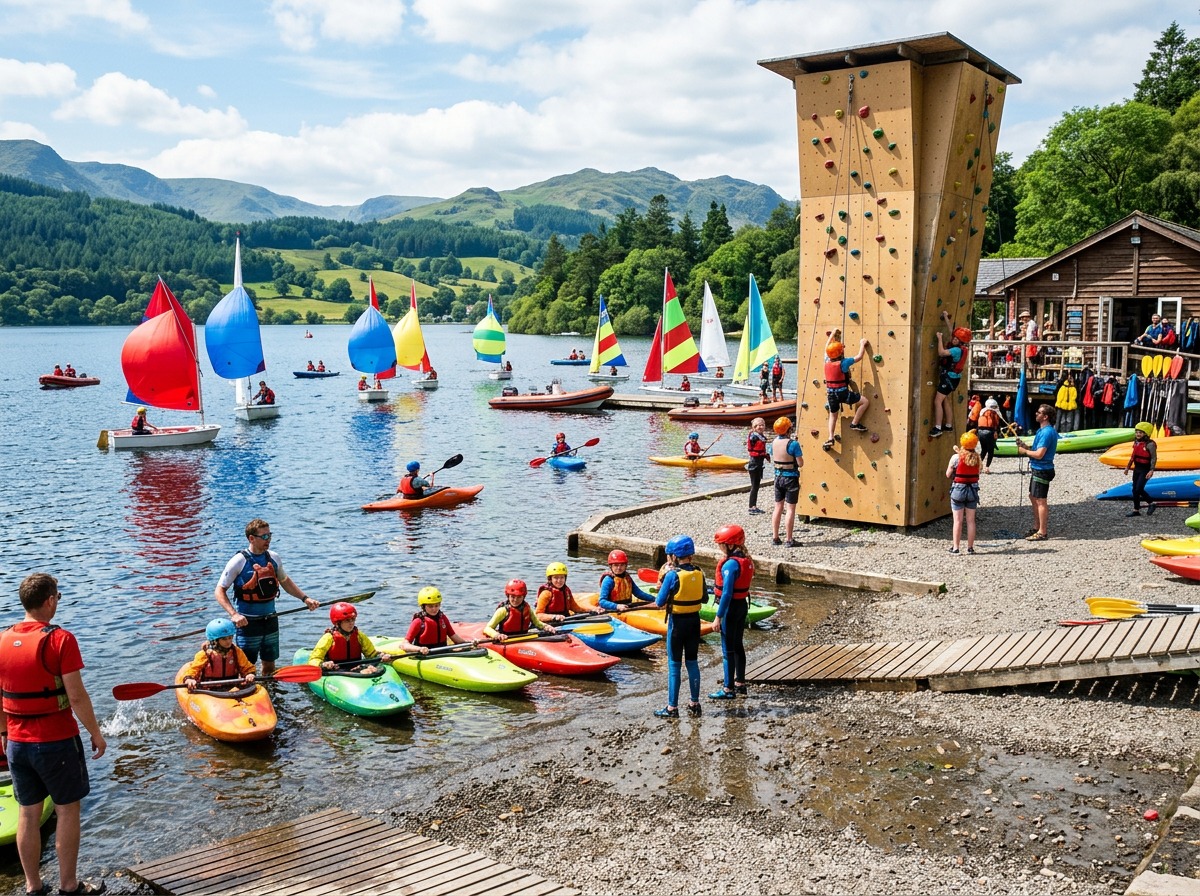
The Dinton Activity Centre on Black Swan Lake is the park's main hub for organised recreation. It offers sailing, kayaking, canoeing, paddleboarding, powerboating and raft building on the water, plus indoor and outdoor climbing walls, a zip wire and low ropes courses on land. Junior courses run during school holidays through the Wild Days programme, and the centre hosts birthday parties, corporate team-building events and school visits.
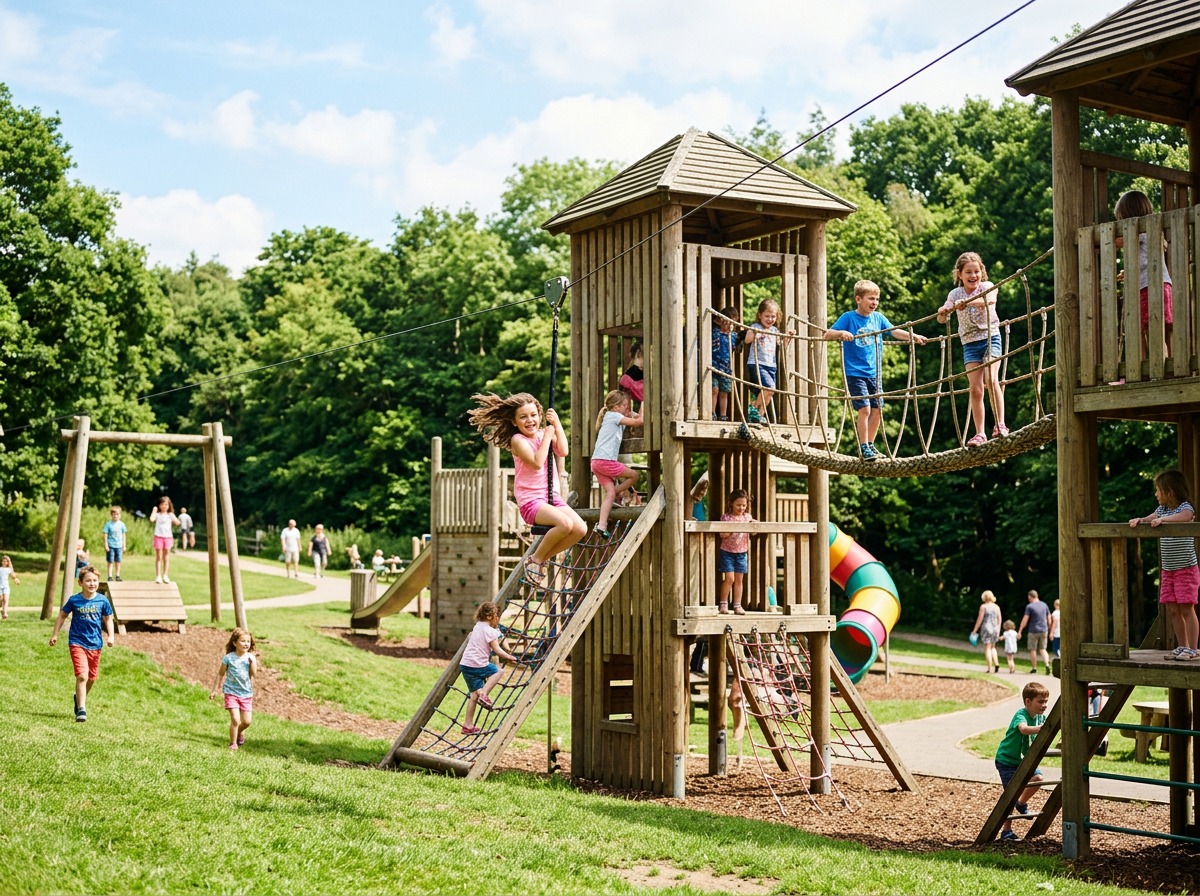
Fishing is available on designated lakes with day tickets and season permits sold by Wokingham Borough Council. The adventure playground near the main entrance features giant nest towers, swinging logs, zip wires and a woodland obstacle course, all free to use. The Dragonfly Cafe serves breakfast, lunch and hot drinks from 8:30am daily, and picnic areas are spread around the park for those bringing their own food.
The Museum of Berkshire Aviation, housed in a building near the car park, displays aircraft and artefacts connected to the county's aviation history, including the Handley Page, Miles and Fairey companies that once had factories in the area.
Dinton Pastures is open every day of the year. The main entrance gate on Davis Street opens automatically at 6:45am and closes at 9pm. Entry to the park is free, but car parking is pay-and-display, with charges starting at around two pounds for one hour. The park gets busy on sunny weekends and school holidays, so arriving before 10am or visiting on a weekday will give you a quieter experience.
The nearest station is Winnersh, about a mile north of the park, with services on the Reading to Waterloo line. Courtney Buses routes 128 and 129 stop opposite the entrance on weekdays and Saturdays. By car, the park is a short drive from junction 10 of the M4 via the A329(M) and B3030.
Paths around the main lakes are surfaced and accessible for pushchairs and wheelchairs, though some of the wilder tracks around Lavell's Lake can be muddy after rain. Dogs are welcome throughout the park and must be kept under control near the lakes and nature reserve areas.
Entry to Dinton Pastures Country Park is free. Car parking is pay-and-display with charges rising by duration. Motorcycles park free of charge. Activity Centre sessions, fishing permits and event bookings carry separate charges — check the Wokingham Countryside website for current prices
The car parks fill up quickly on sunny weekends, especially in summer. Arriving before 10am gives you the best choice of spaces and a quieter walk around the lakes.
Three bird hides overlook Sandford Lake and Lavell's Lake. Kingfishers, great crested grebes and wintering wildfowl are regular sights. Early morning visits offer the best birdwatching.
Sailing, kayaking and climbing sessions at the Dinton Activity Centre are popular and often sell out during school holidays. Book online through the Wokingham Countryside website.
A circular walk linking all seven lakes covers roughly four miles on mostly flat, surfaced paths. Allow around 90 minutes at a steady pace, longer if you stop at the bird hides along the way.
The Dragonfly Cafe opens from 8:30am daily and serves hot food until mid-afternoon. There are also vending machines at the Activity Centre if you need a drink between sessions.

London Travel Writer · 12+ years covering UK attractions and tourism
Last reviewed: March 10, 2026