Chelsea Physic Garden
London's oldest botanic garden — a walled four-acre sanctuary of rare medicinal plants on the Chelsea Embankment since 1673
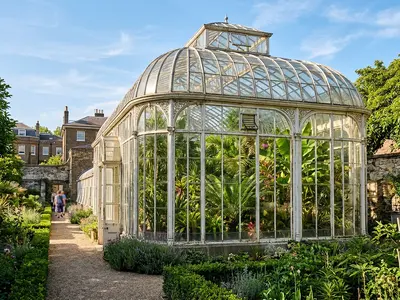
London's oldest botanic garden — a walled four-acre sanctuary of rare medicinal plants on the Chelsea Embankment since 1673
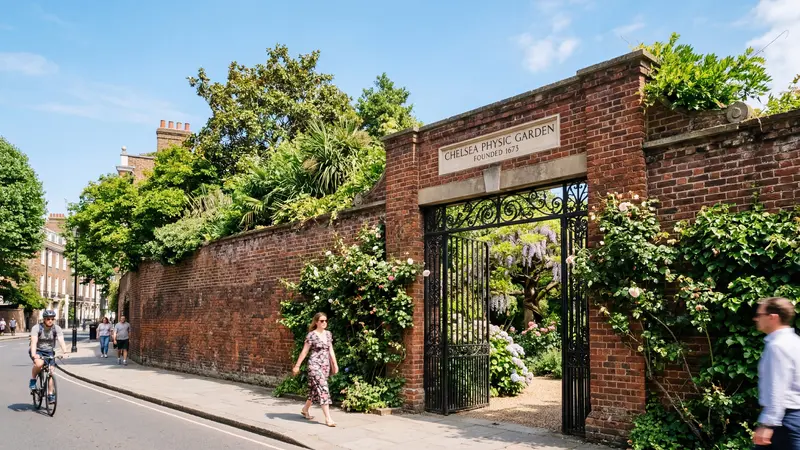
Founded in 1673 by the Worshipful Society of Apothecaries, Chelsea Physic Garden is London's oldest botanic garden and one of the oldest in Britain. Its four walled acres on the Chelsea Embankment hold over 4,500 plant species — from poisonous specimens behind locked gates to the largest fruiting olive tree in the country.
Beyond the medicinal beds, you will find Europe's oldest rock garden, historic glasshouses sheltering tropical species rarely seen in the UK, and a research legacy that introduced cotton to the Americas and helped launch modern botanical science.
Chelsea Physic Garden was established in 1673 by the Worshipful Society of Apothecaries as a place to grow and study plants used in medicine. Apprentice apothecaries would visit by barge from the City of London to learn to identify species essential to their trade. The riverside location was chosen for its warm microclimate and proximity to the Thames, which made transporting specimens practical.
The garden's fortunes changed in 1722 when Sir Hans Sloane — physician, collector and later president of the Royal Society — leased the land to the Apothecaries for five pounds a year in perpetuity. In return, the garden was required to supply 50 dried plant specimens annually to the Royal Society, up to a total of 2,000. Under the direction of head gardener Philip Miller, who served from 1722 to 1770, the garden became one of the most richly stocked botanic collections in the world.
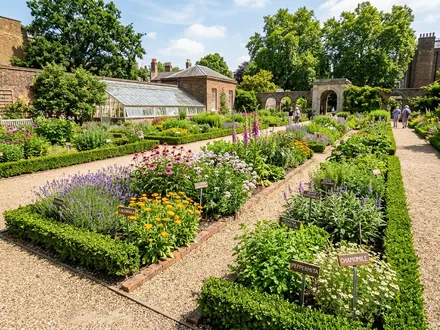
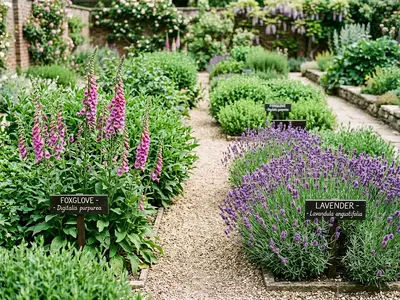
The medicinal beds remain the heart of the garden, with plants grouped by therapeutic use — from fever-reducing willow bark to the foxglove that yields digitalis. The Pharmaceutical Garden traces the history of plant-based medicine from ancient remedies to modern drug development, with clear labelling throughout.
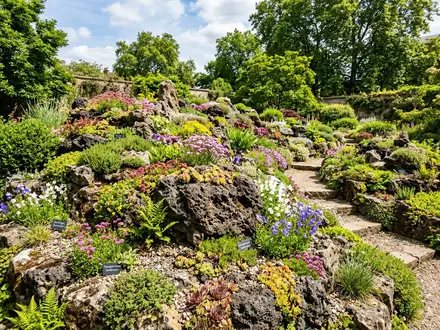
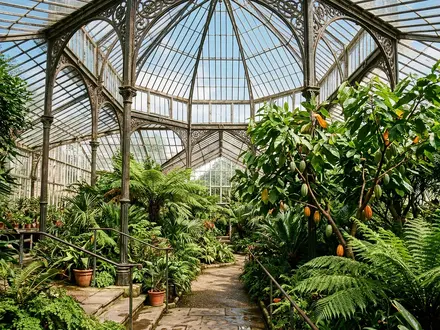
The rock garden, constructed in 1773, is the oldest in Europe devoted to alpine plants. Built from Icelandic basaltic lava and stones salvaged from the Tower of London, it supports Mediterranean and mountain species that thrive in the garden's sheltered microclimate. Nearby, the historic glasshouses contain tropical plants from the Americas and Pacific Islands, including cacao, ferns and specimens rarely seen outdoors in Britain.
Seasonal highlights shift throughout the year. The Garden of Edible and Useful Plants demonstrates how botany connects to daily life, while the Woodland Area offers shade and calm even in the height of summer.
The National Army Museum stands just a few minutes' walk along Royal Hospital Road and offers free admission. The Saatchi Gallery on Duke of York Square is roughly ten minutes on foot, and the King's Road — one of Chelsea's main shopping streets — runs parallel to the north.
Inside the garden, the Tangerine Dream Cafe serves light lunches, cakes and seasonal dishes using ingredients grown in the garden where possible. The gift shop stocks botanical prints, specialist gardening books and plant-related gifts. Wheelchair access is available throughout most of the garden, though some gravel paths may be uneven.
Prices include voluntary Gift Aid donation — Historic Houses Association members enter free
The garden is small enough to feel crowded on sunny weekends. Arriving at 11am on a weekday gives you the best chance of a quiet visit, especially in spring.
Hours and open days can vary by season. The garden closes on Saturdays year-round and may have reduced hours in winter. Check the website before setting out.
The National Army Museum is a two-minute walk away and free to enter, making it an easy pairing for a half-day in Chelsea without spending extra.
The 170 bus stops right outside the garden. Sloane Square tube is a 15-minute walk away, so the bus saves time and effort, especially in wet weather.
The historic glasshouses are photogenic and well lit. A macro lens or phone macro mode works well for the tropical plants and unusual specimens inside.

London Travel Writer · 12+ years covering UK attractions and tourism
Last reviewed: June 2, 2026