What the Museum Covers
The London Transport Museum tells the story of how transport shaped London and how London shaped transport. The collection spans more than 200 years, beginning with the horse-drawn omnibuses of the early 19th century and continuing through the development of the Underground, the iconic red bus, the black cab and the most recent additions to the network.
The museum is not simply a collection of old vehicles, although it has plenty of those. It explores how transport decisions influenced where people lived, how the city grew and how design and engineering solved the practical challenges of moving millions of people around a sprawling metropolis. The hands-on approach makes it particularly well suited to children, with play zones and simulators designed for younger visitors.
The Building
The museum occupies the old flower market building on the east side of Covent Garden Piazza. The iron and glass structure dates from the 1870s and was originally part of the fruit, vegetable and flower market that operated in Covent Garden for centuries. When the market moved to Nine Elms in 1974, the building was converted into the transport museum, opening in its current form in 1980.
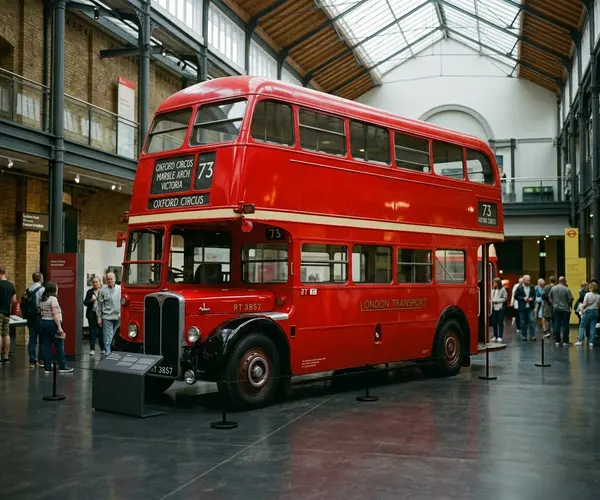
The building works well as a museum space. Its open plan layout and high ceilings accommodate full-size buses, trams and trains, while mezzanine levels and galleries provide space for smaller exhibits, design collections and interactive displays.
Key Collections
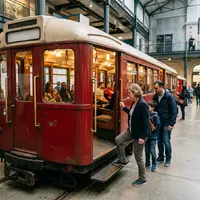
The vehicle collection is the museum's most visible asset. Full-size London buses, Underground trains, trams and trolleybuses are displayed throughout the building, many of them in working condition. You can climb aboard several of the vehicles, sit in the driver's seat and get a sense of what it was like to operate them.
The design collection is equally important and perhaps more surprising. London Transport was a pioneer of graphic design, commissioning artists including Edward McKnight Kauffer and Man Ray to create posters for the Underground. The museum holds a vast archive of these posters, along with the original typefaces, maps and wayfinding designs that made the London transport system a model of visual communication.
The Tube Map
Harry Beck's 1931 diagram of the London Underground is one of the most famous pieces of information design ever created. The museum holds Beck's original drawings and early printed versions of the map, tracing its development from a radical idea to a design that has been copied by metro systems worldwide.
How the Museum Is Organised
The displays are arranged broadly chronologically, moving from the earliest horse-drawn transport through the Victorian railway boom, the electrification of the Underground and the 20th-century development of the bus network. Recent additions cover the Crossrail project and the Elizabeth line.
Each section combines vehicles, artefacts, photographs and film footage to build a picture of the period. The museum does a good job of connecting transport technology to social history, showing how the expansion of the Underground opened up suburban housing and how the bus network connected communities that had previously been isolated.
Why It Matters
The London Transport Museum is unusual in that its subject is something visitors use every day. The buses, trains and stations that most people take for granted have a rich history of innovation, design and engineering. The museum makes that history accessible and engaging, and most visitors leave with a new appreciation for the infrastructure that keeps London moving.
The museum shop is well stocked with transport-themed gifts, including reproductions of vintage posters, models of buses and trains, and items featuring the roundel and other iconic London Transport designs.