Why Children Love It
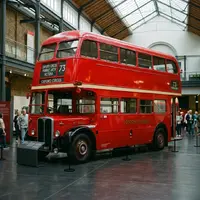
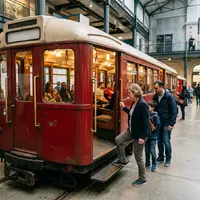
The London Transport Museum is one of those rare museums where children are actively encouraged to touch things. Climbing aboard buses, sitting in driver's cabs, pressing buttons and pulling levers are all part of the experience. For children who are fascinated by vehicles, which covers a significant proportion of the under-10 population, this museum is paradise.
The museum recognises that its subject matter has natural appeal to young visitors and has designed its spaces accordingly. Full-size vehicles at ground level are accessible and inviting, and the interactive elements are robust enough to withstand heavy use by enthusiastic small hands.
The Play Zones
The All Aboard play area is designed specifically for children under seven. It features a miniature tube train that children can drive, a pretend bus stop where they can wait for and board a play bus, and dressing-up areas where they can try on uniforms. The space is colourful, safe and well supervised.
The Interchange area offers more complex interactive displays aimed at slightly older children. Here they can plan routes across the network, design their own transport posters and explore how traffic management works. These activities introduce concepts like route planning and design thinking without feeling educational in a heavy-handed way.
Bus Simulators
The bus driving simulators, part of the best exhibits at the London Transport Museum, are among the most popular exhibits for children of all ages. Sitting in a replica driver's cab, visitors can steer a virtual bus through London streets, dealing with traffic, stops and passengers. The experience gives a genuine sense of what it is like to be a bus driver and is engaging enough that adults often have to be asked to give way to younger visitors.
What Different Ages Get From It
For toddlers and preschoolers, the museum works primarily as a sensory experience. Bright colours, large vehicles to explore and the play areas keep them occupied. The scale of the buses and trains is impressive from an adult perspective, and for a small child it is genuinely awe-inspiring.
Children aged 5 to 10 tend to engage more with the interactive elements and begin to read the information displays. The bus simulators, tube train cab and the hands-on design activities are pitched at this age group, and many children will want to try each one multiple times.
Older children and teenagers may be drawn to the design collection, the engineering displays and the stories behind the construction of the Underground. The Crossrail section, covering the recent Elizabeth line project, provides a modern engineering narrative that resonates with children who are interested in how things are built.
Practical Considerations
Under-18s enter the museum free of charge, which makes it an affordable family outing, especially on rainy days. The museum is compact enough that young children do not get exhausted by walking long distances, but varied enough that they stay engaged throughout.
The museum is fully accessible with lifts between floors. Pushchairs can be taken through the galleries, although the museum recommends using baby carriers during busy periods as the spaces between some exhibits are narrow. Baby-changing facilities are available.
When to Visit with Children
Weekday mornings during school term time are the quietest periods and give children the best access to popular interactive exhibits. School holidays and weekends are busier, with the play areas in particular seeing heavy use. The museum sometimes runs special family events during school holidays, including workshops, storytelling sessions and craft activities.
A visit of around two hours is usually enough for families with young children, allowing time to explore the vehicles, use the play areas and try the simulators without anyone becoming overwhelmed.