What Hidden London Offers
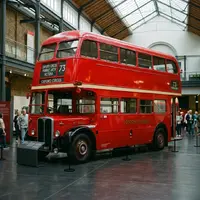
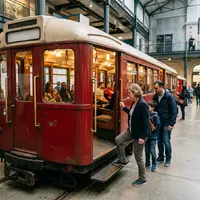
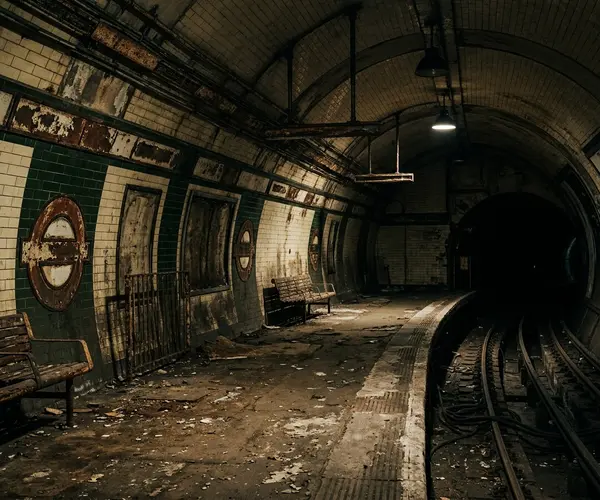
Hidden London is one of the most popular programmes run by the London Transport Museum — a museum dedicated to 200 years of London's transport history — and for good reason. It provides access to parts of the Underground network that are normally locked, forgotten or entirely invisible to the millions of people who travel above and past them every day. These are not reconstructions or models but the real spaces, preserved in various states of decay and disuse.
The programme has expanded significantly in recent years and now offers tours of several different sites, each with its own distinct character and history. Some are former passenger stations that closed decades ago, while others are wartime bunkers, emergency tunnels or infrastructure spaces that were never intended for public use.
Down Street
Down Street station in Mayfair was open for just 28 years, from 1907 to 1932, before being closed due to low passenger numbers. During the Second World War, it was converted into a secret bunker for the Railway Executive Committee and was used by Winston Churchill and the War Cabinet before the purpose-built Cabinet War Rooms were ready.
The tour takes you down into the original station and through the wartime offices and dormitories. Tiles from the original station survive alongside wartime additions, creating a layered record of the building's two very different lives. The atmosphere is extraordinary, with the rumble of passing Piccadilly line trains adding to the sense of being in a hidden world.
Aldwych
Aldwych station, originally called Strand, opened in 1907 and closed in 1994. It served a short branch line from Holborn and never attracted enough passengers to justify the cost of upgrading its lifts and escalators. Since closing, it has been preserved largely as it was, with period advertising, signage and tiling still in place.
The station has been used extensively as a filming location, appearing in productions that need an authentic Underground station without the disruption of closing a working one. The Hidden London tour gives you access to the platforms, passageways and lift shafts, and the guides provide detailed histories of the station and its role in London's transport story.
Other Tour Sites
The programme includes tours of several other locations, which rotate depending on access arrangements and seasonal availability. Moorgate, which was the site of a devastating crash in 1975, offers a tour focused on the engineering and safety lessons learned from the disaster. Other tours have covered Euston's lost tunnels, the Kingsway Tram Subway and the deep-level shelters built during the Second World War.
Each tour has a different character. Some focus on architectural and engineering history, others on wartime stories, and some explore the social history of the communities that lived above and around the stations.
What to Expect Underground
The tours involve walking through uneven, sometimes damp environments. Temperatures underground are relatively constant but the air can be dusty. Comfortable shoes with good grip are essential, and the tours are not suitable for anyone with significant mobility difficulties as many involve steep staircases and narrow passages.
Booking and Availability
Hidden London tours are extremely popular and often sell out within hours of being released. The museum publishes tour dates in advance on its website, and signing up for email alerts is the most reliable way to secure a place. Tours run throughout the year, with additional dates sometimes added during school holidays.
The tours are run by expert guides, many of whom are volunteers with deep knowledge of London's transport history. The quality of guiding is consistently high, and the combination of access to otherwise locked spaces and knowledgeable commentary makes these tours genuinely memorable experiences.