A Penny to Get In
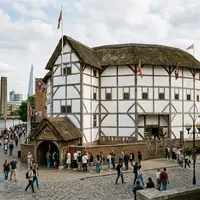
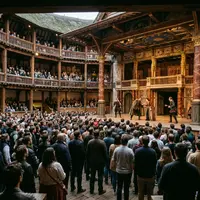
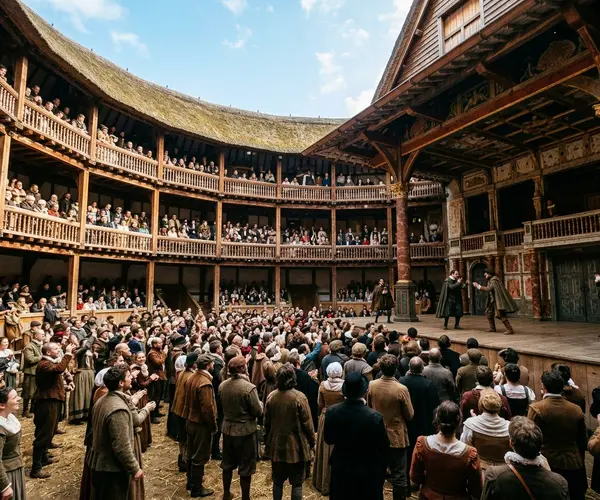
The cheapest way to see a play at Shakespeare's Globe was to pay one penny to stand in the yard, the open area surrounding the stage on three sides. These standing audience members became known as groundlings. They were exposed to the weather for the entire performance, which typically lasted two to three hours.
One penny was genuinely affordable. A skilled craftsman earned around a shilling (12 pence) a day, so a groundling ticket cost less than a tenth of a day's wages. A loaf of bread cost about the same, and a quart of ale about half a penny.
Paying Your Way Up
The Globe used a tiered system with separate entrances for each price level. You paid one penny to a gatherer at the main door to enter the yard. If you wanted a bench in the lower gallery, you passed through a second entrance and paid another penny to a second gatherer. A third penny at a third entrance got you into the upper gallery. Cushions were available for an extra penny on top.
The most expensive seats were the Lord's Rooms and Gentlemen's Rooms, prestigious positions in galleries flanking or overlooking the stage. These cost sixpence or more — six times the groundling price, but still modest by modern standards.
No Tickets, Just Money Pots
There was no box office and no advance booking. A flag was raised above the theatre to signal that a play would be performed that afternoon, and audiences simply turned up. Performances started at around 2pm.
The gatherers at each entrance collected coins in sealed ceramic pots made from Surrey-Hampshire Border Ware. Each pot had a vertical coin slot, like a piggy bank, and had to be smashed open to count the takings. This single-use system prevented gatherers from skimming. Archaeologists recovered over 160 fragments of these money pots when the nearby Rose Theatre was excavated in 1989.
The Origin of "Box Office"?
The ceramic money pots are sometimes cited as the origin of the term "box office". The connection is appealing but probably wrong. The phrase does not appear in records until 1741, over a century after the Globe burned down, and most likely refers to the office where tickets for theatre box seats were sold rather than the collection boxes themselves.
Theatre for Everyone
What stands out about Elizabethan pricing is how accessible it was. Bear-baiting at the nearby Bear Garden charged the same penny for standing room. A trip to the Globe cost less than a meal. Shakespeare was writing for a mass audience — from apprentices and servants standing in the rain to wealthy merchants and aristocrats watching from cushioned galleries — and the pricing reflected that. The modern Globe maintains the tradition: groundling tickets still cost £5, making it one of the cheapest ways to see live theatre in London.