Open to the Sky
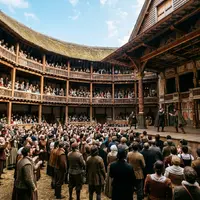
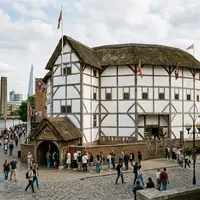
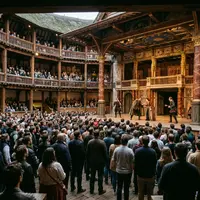
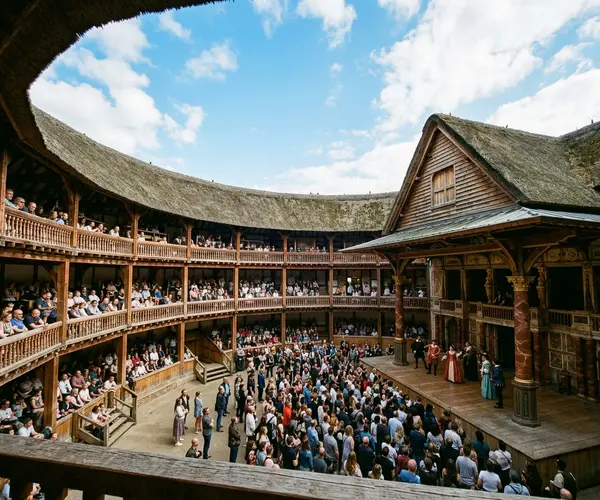
Shakespeare's Globe is a partially open-air theatre. The central yard, where groundlings stand, and the thrust stage are both open to the sky with no roof or covering. The three tiers of wooden galleries that wrap around the yard do have a thatched roof, providing shelter for the seated audience members above.
This design faithfully reproduces the layout of the original Globe Theatre, which was built in 1599. Elizabethan playhouses were open-air by necessity and by design. They relied on natural daylight to illuminate the stage and the audience, and the open roof kept construction costs down while allowing theatres to hold large crowds.
What Happens When It Rains
Performances at the Globe go ahead in virtually all weather conditions. Rain, wind and even hail do not stop the show. The only exception is a genuine safety risk, such as an electrical storm, which might cause a temporary pause or, very rarely, a cancellation.
If you are standing in the yard as a groundling, you will get wet. There is no shelter, no canopy and no cover of any kind. Umbrellas are not permitted because they block the view of other audience members. The practical solution is to bring a waterproof jacket and accept that getting a bit damp is part of the experience.
Audience members seated in the galleries are protected by the thatched roof and generally stay dry, though wind-driven rain can sometimes reach the front rows of the lower gallery.
Why the Open-Air Design Matters
The open roof is not just a historical curiosity. It fundamentally changes the theatrical experience. Actors and audience share the same light. On a sunny afternoon, the stage is bathed in natural daylight, and the performers can see the faces of every person in the yard. There is no darkness in the auditorium, no separation between the lit stage and a darkened house.
This shared visibility creates a communal atmosphere that enclosed theatres cannot replicate. When an actor addresses the audience directly, as Shakespeare's characters frequently do, they are genuinely speaking to real faces in real light. Soliloquies become conversations. Asides become shared secrets. The fourth wall, which barely exists in Shakespeare's text anyway, disappears entirely.
The weather itself becomes part of the drama. A darkening sky during a storm scene, a sudden gust of wind during a battle, or a shaft of sunlight breaking through clouds at a moment of resolution can all heighten the emotional impact of a performance in ways no lighting designer could plan.
The Galleries
While the yard is open, the three tiers of galleries offer a different experience. The wooden benches are covered by the thatched roof, so you are sheltered from rain and have a backrest. The galleries rise steeply around the yard, giving a bird's-eye view of the stage and the groundlings below.
The upper galleries catch more wind, and the view is more distant, but they offer a perspective of the whole stage that you cannot get from the yard. The lower gallery, known as the gentlemen's rooms in Shakespeare's time, provides the closest seated view.
Dressing for the Globe
Whatever the weather forecast says, dress in layers. The yard can be surprisingly warm on a sunny afternoon, but temperatures drop quickly once the sun moves behind the building. Evening performances can be chilly even in summer. A light waterproof jacket, comfortable shoes and a warm layer are the essentials. Sunscreen and a hat are advisable for afternoon shows in high summer.