A World-Class Opera House
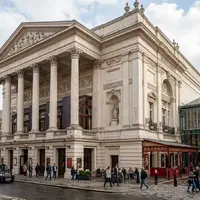
The Royal Opera House in Covent Garden is one of the most important performing arts venues in the world. It is the home of two resident companies, the Royal Opera and the Royal Ballet, both of which rank among the very best in their respective art forms. The building itself, with its grand portico on Bow Street and its recently renovated public spaces, is one of the architectural landmarks of central London.
The Royal Opera presents a season of operas each year, drawing on the core repertoire of works by Mozart, Verdi, Puccini, Wagner and other major composers, alongside new commissions and less frequently performed pieces. The productions feature international casts of leading singers, conducted by some of the world's finest musicians, with staging that ranges from traditional period settings to bold contemporary interpretations.
The Royal Ballet
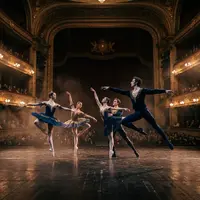
The Royal Ballet is the other resident company, and it enjoys an equally distinguished reputation. Founded in 1931 by Dame Ninette de Valois, the company performs classical ballet (Swan Lake, The Nutcracker, Romeo and Juliet) alongside contemporary works by living choreographers. The dancers are among the most technically accomplished in the world, and the company's blend of classical tradition and contemporary ambition has earned it a global following.
The ballet and opera companies share the main stage, alternating seasons throughout the year. This arrangement means the Royal Opera House offers an extraordinary range of performances, from grand Romantic operas to intimate contemporary dance pieces, all within the same building.
The Building's History
A theatre has occupied the Covent Garden site since 1732, when the first Theatre Royal opened under a patent granted by Charles II. The building's dramatic story of fires and rebuildings is covered in our guide to how old the Royal Opera House is. That building was destroyed by fire in 1808, and its replacement burned down in 1856. The current building, designed by Edward Middleton Barry, opened in 1858 and is a Grade I listed structure of considerable architectural merit.
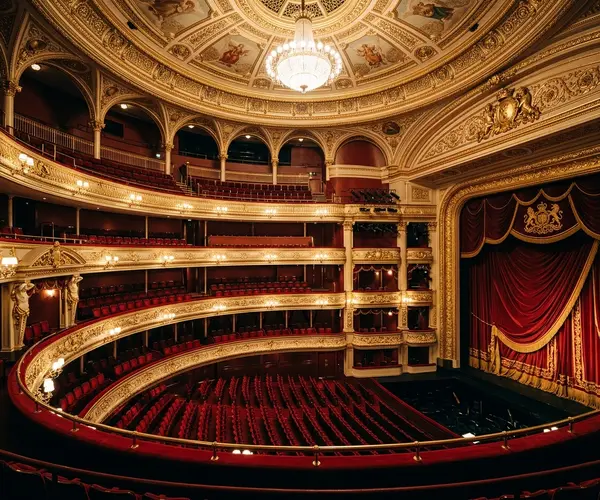
The auditorium is horseshoe-shaped, rising through four tiers of boxes and balconies to a painted ceiling. The acoustics are renowned, and the intimate shape of the auditorium means that even seats in the upper levels feel connected to the performers on stage. The red velvet, gilded decoration and warm lighting create an atmosphere of occasion that enhances every performance.
The 1990s Renovation
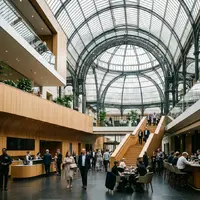
The most significant change to the building in recent decades was the major renovation completed in 1999. The project, designed by Dixon Jones architects, added the spectacular Floral Hall atrium, a glass-roofed space that connects the original building to new backstage facilities. The renovation also improved accessibility, added rehearsal spaces and created the public areas that visitors can now explore without a performance ticket.
The Floral Hall, originally a Victorian flower market, was incorporated into the opera house and serves as the main foyer and gathering space. Its soaring glass roof and cast-iron structure create one of London's most impressive interior spaces, and it has become as much a part of the Royal Opera House experience as the performances themselves.
A Living Institution
The Royal Opera House is not a museum or a heritage attraction. It is a working theatre that presents performances almost every day of the year. The building buzzes with rehearsals, classes, technical preparations and the constant activity of keeping two world-class companies performing at the highest level. This sense of creative energy is palpable even when you visit during the day, and it distinguishes the Royal Opera House from static cultural sites.