Free Access to a World-Famous Building
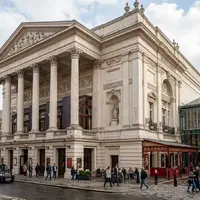
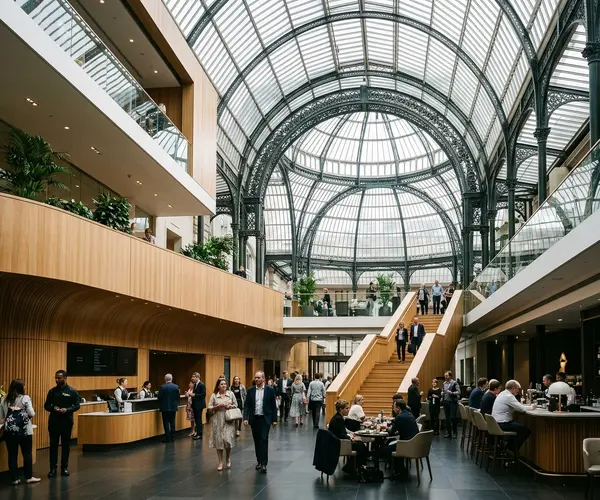
The Royal Opera House is primarily a working theatre, but a significant part of the building is open to the public without a performance ticket. The renovation completed in 1999 created public spaces that allow anyone to walk in and experience the building, browse the displays and enjoy the atmosphere of one of the world's leading opera houses.
The ground-floor areas include the Linbury foyer, where exhibitions and displays related to current and upcoming productions are often mounted. The foyer leads to restaurant and bar areas that are open to the public, and you can sit with a coffee and absorb the surroundings without any obligation to attend a performance. The spaces are welcoming and designed to encourage casual visitors, not just ticket holders.
The Amphitheatre Terrace
One of the best free experiences at the Royal Opera House is the amphitheatre terrace on the upper level. This outdoor terrace offers views over the Covent Garden piazza and the surrounding rooftops, and it is a surprisingly peaceful spot above the bustle of the streets below. The terrace is accessible via lifts and stairs from the ground floor and is open during the building's public hours.
The terrace is not widely known among tourists, which means it rarely feels crowded. It is a lovely place to pause during a walk through Covent Garden, particularly on a fine day when the views across the rooftops extend to landmarks in every direction.
Backstage Tours
For a more in-depth experience, the Royal Opera House offers backstage tours that take visitors behind the scenes of one of the world's busiest performing arts venues. The tours explore areas that audiences never see, including the workshops where sets and costumes are made, the rehearsal studios where dancers and singers prepare, and the vast backstage area where the technical magic of opera and ballet productions is created.
Tours typically last about 75 minutes and are led by knowledgeable guides who can answer questions about the building's history, the companies' work and the practicalities of staging large-scale productions. The tours offer a fascinating insight into the scale of effort required to put on an opera or ballet, from the hundreds of costumes needed for a single production to the engineering that moves massive sets on and off the stage.
Exhibitions and Displays
The public areas of the building often feature exhibitions related to the Royal Opera and Royal Ballet's work. These might include costume displays, photographs from productions, historical artefacts from the building's archive or information about upcoming seasons. The displays change regularly and are always free to view.
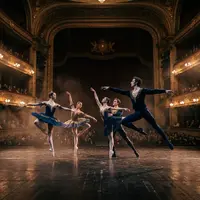
The Royal Opera House also hosts occasional free events, including lunchtime recitals, open rehearsals and community performances. If any of these spark an interest in a full evening show, our guide to ballet vs opera at the Royal Opera House explains what each company offers. These events vary throughout the year and are worth checking for if you happen to be in Covent Garden. They offer a chance to experience live performance in the building without the commitment of a full evening show.
Making the Most of a Visit
If you are visiting the Royal Opera House without a performance ticket, the best approach is to enter from the Bow Street entrance and explore the ground-floor public areas, then make your way up to the amphitheatre terrace for the views. Allow about 30 to 45 minutes for a casual visit, or longer if there is an exhibition on display. If backstage tours are running on the day of your visit, these can be booked on arrival or in advance and add considerably to the experience.
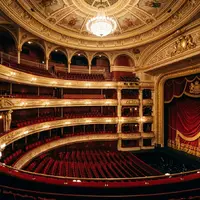
The building is at its most atmospheric in the early evening when audiences are arriving for performances. Even if you are not attending a show, the buzz of anticipation in the foyer and the sight of the auditorium through the doors creates a sense of occasion that is unique to this building.