Three Theatres on One Site
The Royal Opera House has a long and dramatic history that stretches back to the early 18th century. The first Theatre Royal, Covent Garden opened on 7 December 1732, established under a royal patent granted during the reign of Charles II. That original building, designed by Edward Shepherd, served as one of only two patent theatres in London authorised to present drama (the other being Drury Lane, just a few hundred metres away).
The first theatre stood for 76 years before being destroyed by fire on 20 September 1808. Fire was an ever-present danger in theatres of this era, where naked flames provided both stage lighting and heating, and flammable materials were everywhere. The building burned to the ground in just three hours.
The Second Theatre
A replacement theatre was built quickly, designed by Robert Smirke (who later designed the British Museum). This second Theatre Royal opened on 18 September 1809, just a year after the fire. It was a larger and grander building than its predecessor, and it served the city for nearly half a century.
However, the second theatre met the same fate as the first. On 5 March 1856, a fire broke out during a bal masque (a masked ball) and the building was completely destroyed. Once again, the speed with which the fire consumed the theatre demonstrated the vulnerability of these large, timber-framed buildings to flame.
The Current Building
The third and current building was designed by Edward Middleton Barry, son of the architect Charles Barry who designed the Houses of Parliament. It opened on 15 May 1858 with a performance of Meyerbeer's opera Les Huguenots. The building was constructed with more fire-resistant materials than its predecessors, and it has survived more than 165 years without serious fire damage.
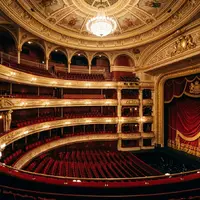
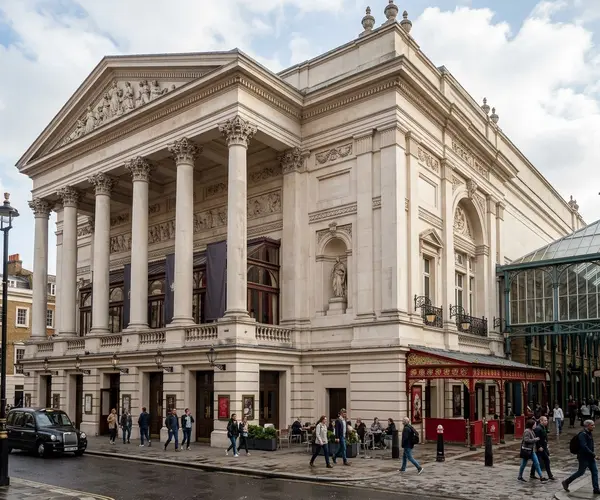
Barry's design created the horseshoe-shaped auditorium that audiences know today, with four tiers of boxes and balconies rising to a painted ceiling. The grand portico facing Bow Street, with its six Corinthian columns, has become one of the most recognisable architectural features in Covent Garden. The building was listed as Grade I, recognising it as a structure of exceptional architectural and historical interest.
The 1990s Transformation
By the late 20th century, the 1858 building was showing its age. Backstage facilities were cramped and outdated, public spaces were inadequate for modern audiences, and the building's systems needed wholesale replacement. A major renovation project, led by architects Dixon Jones, was undertaken between 1996 and 1999.
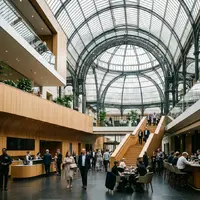
The renovation preserved the historic auditorium and the Bow Street facade while transforming almost everything else. The most dramatic addition was the incorporation of the Floral Hall, a Victorian iron-and-glass structure that had originally been part of the adjacent Covent Garden flower market. This magnificent space was restored and connected to the opera house, creating a soaring atrium that serves as the main foyer and social space.
New rehearsal studios, dressing rooms, workshops and technical facilities were built behind the preserved historic frontage. Accessibility was improved with lifts and ramps, and new public areas were created that allow visitors to enter the building without a performance ticket. The renovation cost approximately 214 million pounds and took two and a half years to complete.
Nearly Three Centuries of Performance
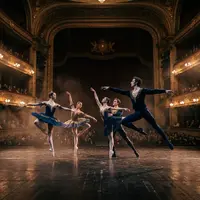
From its origins as a patent theatre presenting spoken drama and the works of Handel, through its establishment as London's principal opera house in the 19th century, to its current status as the home of two world-class companies, the Royal Opera House has been a centre of performing arts for nearly 300 years. The building visitors see today carries the traces of this long history, from the Victorian auditorium to the Edwardian facade to the contemporary glass and steel of the 1990s renovation.