Medieval Glass That Has Survived Centuries
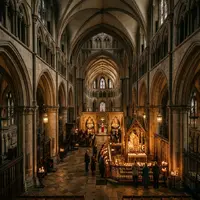
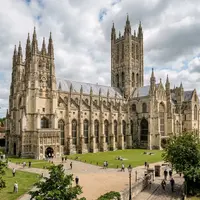
The stained glass at Canterbury Cathedral is one of the most important collections of medieval glass in the world. While many English cathedrals lost their original windows during the Reformation, the Civil War or Victorian restoration, Canterbury has preserved a remarkable quantity of glass from the 12th and 13th centuries. Some of the windows have been in place for more than 800 years.
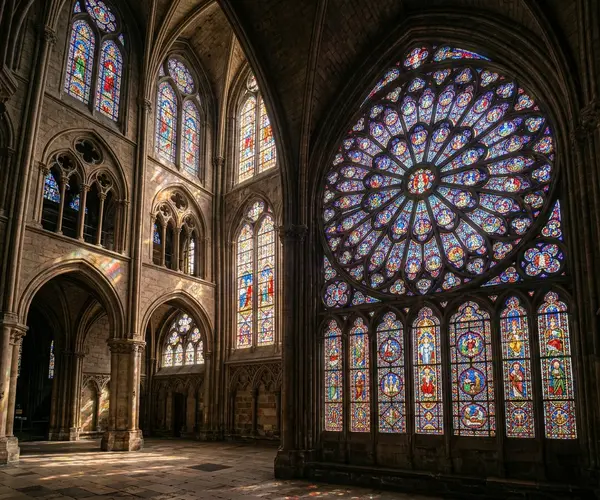
The oldest surviving glass in the cathedral dates from around 1176, shortly after the fire that destroyed much of the eastern end of the building. When the choir was rebuilt in the new Gothic style, the windows were filled with richly coloured glass depicting biblical scenes, figures from the Old and New Testaments, and the ancestors of Christ. These early windows use deep reds and blues that create a distinctive warm glow when sunlight passes through them. Planning a visit to see them is one good reason to make the day trip from London to Canterbury.
The Miracle Windows
The most famous windows at Canterbury are the Miracle Windows in the Trinity Chapel, the area built specifically to house the shrine of Thomas Becket. These windows, dating from the early 13th century, depict scenes of miraculous healings attributed to Becket after his murder in 1170.
The stories shown in these windows are remarkably detailed and vivid. They include people suffering from various ailments who travelled to Canterbury and were cured at the shrine. The images show pilgrims praying, saints intervening and sick people being restored to health. As historical documents, they provide a fascinating glimpse into medieval beliefs about sainthood, healing and the power of pilgrimage.
The Miracle Windows are notable for their narrative quality. Unlike some medieval glass that shows isolated figures, these windows tell complete stories across multiple panels, reading almost like a comic strip. The detail of the figures, their clothing and their surroundings gives historians valuable evidence about daily life in the 12th and 13th centuries.
The Bible Windows
The aisles of the choir contain the Bible Windows, a series of panels depicting scenes from the Old and New Testaments arranged to show how events in the Old Testament prefigure those in the New. This typological approach was common in medieval art and was designed to teach biblical stories to a largely illiterate congregation.
These windows are among the earliest in the cathedral and show the influence of French glass-making techniques that were at the forefront of the craft during this period. The colours are intense and the figures are drawn with a confidence and expressiveness that belies the age of the work.
Survival and Restoration
Canterbury's stained glass has survived partly through luck and partly through deliberate protection. During the Second World War, the most important windows were removed and stored in safe locations to protect them from bombing. The cathedral was hit by incendiary bombs during the Baedeker Blitz of 1942, but the glass had already been taken to safety.
Some windows have been restored or replaced over the centuries. A few panels were lost during the Reformation when images of Becket were targeted for destruction, and some Victorian glass fills gaps where medieval panels were damaged or removed. Conservation work continues to this day, with specialists carefully cleaning and stabilising glass that is now approaching its ninth century.
Viewing the Windows
The windows are best appreciated on a bright day, when sunlight illuminates the colours and brings the details to life. Binoculars or a camera with a zoom lens can help with the higher panels. The cathedral also provides information boards near the most significant windows, explaining the scenes depicted and the history of the glass.