London Stadium Tour
Go behind the scenes at the 2012 Olympic Stadium — walk the players' tunnel, sit in the dugout and relive Super Saturday
Go behind the scenes at the 2012 Olympic Stadium — walk the players' tunnel, sit in the dugout and relive Super Saturday
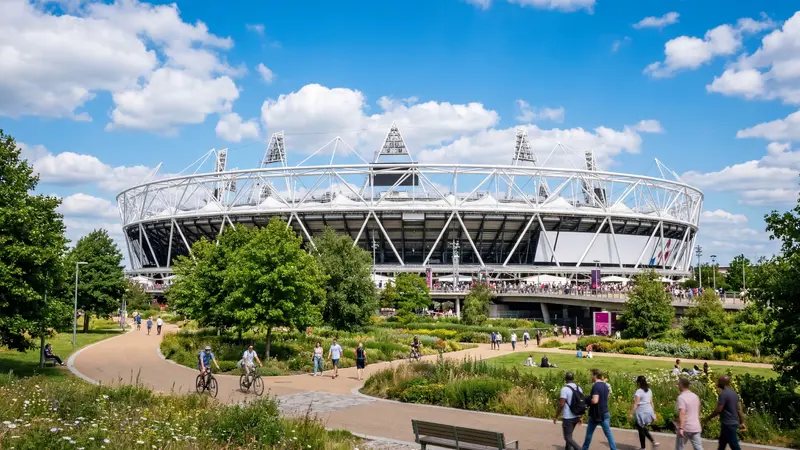
Built as the centrepiece of the 2012 Olympic Games, London Stadium is where Usain Bolt won three gold medals and Great Britain's athletes delivered the unforgettable Super Saturday. Now home to West Ham United, the 62,500-seat arena opens its doors for behind-the-scenes tours throughout the year.
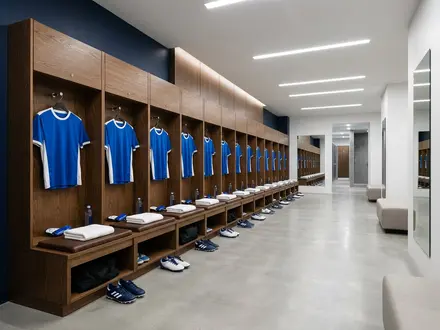
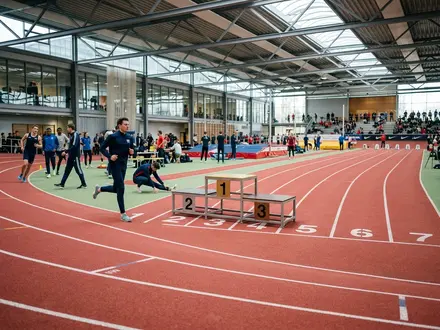
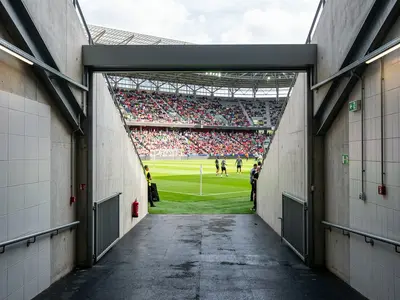
Guided tours take you through the players' tunnel, into the home dressing room and out to the pitchside dugouts. You will also visit the indoor warm-up track where Olympic athletes prepared for competition, with a podium photo opportunity and multimedia handsets covering the stadium's remarkable history.
London Stadium was built as the Olympic Stadium for the 2012 Games, designed by Populous architects at a cost of £486 million. During those two extraordinary weeks, the venue hosted athletics events that produced six world records, including David Rudisha's 800m and Usain Bolt's 100m relay. The iconic Super Saturday on 4 August 2012 saw Jessica Ennis-Hill, Greg Rutherford and Mo Farah all win gold within the space of 46 minutes, a moment widely regarded as the greatest evening in British sporting history.
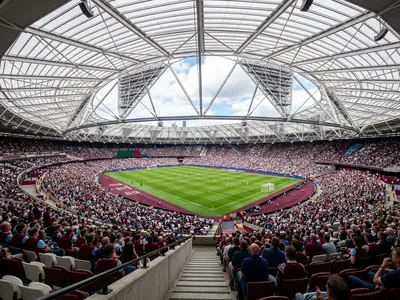
After the Games, the stadium underwent a £272 million conversion to become the home of West Ham United from the 2016–17 season. Engineers lowered the playing surface, installed retractable seating to bring fans closer to the pitch, and added the world's largest spanning tensile roof. The venue now holds 62,500 for football and can expand to 80,000 for athletics and concerts.
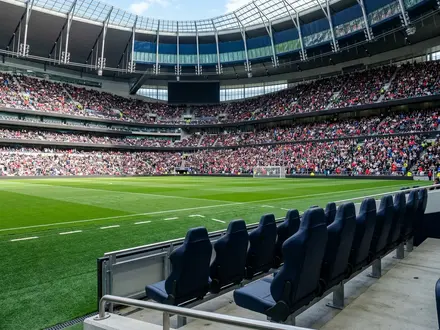
The guided tour covers areas normally closed to the public. You begin with panoramic views from the middle-tier seating before heading down to the home dressing room, where each player's station is laid out as it would be on match day. The route continues through the players' tunnel — the same walkway used by Premier League footballers every other weekend — and out to the pitchside, where you can sit in the manager's dugout.
A particular highlight is the indoor warm-up track, preserved from the Olympic era. Here, athletes from Bolt to Farah stretched and sprinted before walking up to the stadium bowl above. Visitors can stand on the podium for a medal-ceremony photograph. Throughout the tour, multimedia handsets available in five languages provide video footage, athlete interviews and archive material from the 2012 Games.
Tours run daily, subject to events at the stadium. Weekday departures are typically at 11:00, 13:00 and 15:00, with hourly tours from 10:00 to 15:00 at weekends. The tour lasts 60 to 75 minutes and is fully accessible, with lifts to all levels. Arrive at least 15 minutes before your scheduled departure time. Prams are not permitted on the tour, and there is no luggage storage.
The stadium sits within Queen Elizabeth Olympic Park, surrounded by the Aquatics Centre, the ArcelorMittal Orbit observation tower and extensive parkland. Westfield Stratford City is a short walk away for dining options before or after your visit. Parking is available only for blue badge holders; all other visitors should use public transport via Stratford station.
Under-5s enter free — book an infant ticket when completing your reservation
Advance online prices are £2–£8 cheaper per ticket than paying on the day. Family tickets offer the best value at £64 for two adults and two children.
Tours do not run on West Ham match days or during major concerts and athletics events. Check the stadium website before booking to avoid a wasted journey.
Tours depart promptly and late arrivals cannot join a tour already in progress. Use the extra time to browse the West Ham Stadium Store near the entrance.
Stratford has step-free access and connections to the Central, Jubilee and Elizabeth lines. The walk through the Olympic Park is pleasant and well signposted.
The observation tower and slide are a five-minute walk from the stadium. Buy a combined ticket for the park's attractions to save on a full day out in Stratford.

London Travel Writer · 12+ years covering UK attractions and tourism
Last reviewed: March 9, 2026