The Oldest Part of the Palace
Westminster Hall is the oldest and most historically significant part of the Palace of Westminster. It was built in 1097 by William Rufus, the son of William the Conqueror, as the centrepiece of a new royal palace. At the time of its construction, it was the largest hall in England and one of the largest in Europe.
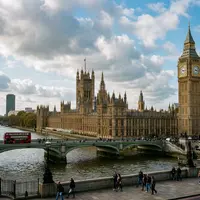
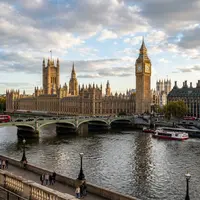
The hall has survived fire, bombing and centuries of alteration to the buildings around it. While the rest of the Palace of Westminster was largely destroyed by fire in 1834 and rebuilt in the Gothic Revival style we see today, Westminster Hall endured. It also survived the Blitz, when incendiary bombs hit the roof in 1941 but were extinguished before the timbers caught fire. The tower added during the Victorian rebuilding is now the building's most famous feature — our guide explains whether Big Ben is the same as the Houses of Parliament. You can see it as part of the Houses of Parliament tour.
The Hammerbeam Roof
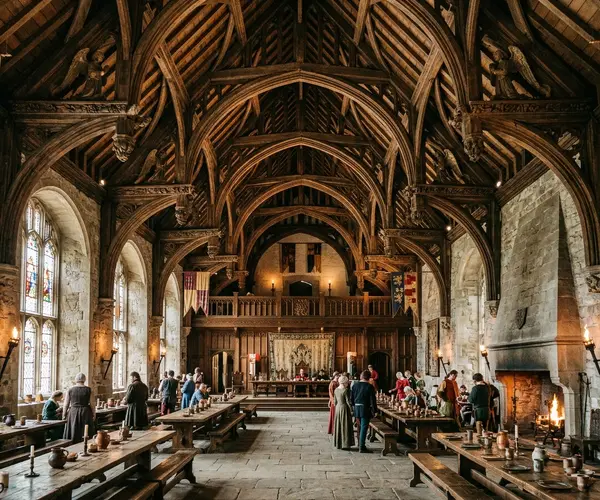
The hall's most famous feature is its extraordinary hammerbeam roof, commissioned by Richard II in 1399 and designed by the royal carpenter Hugh Herland. It spans 21 metres without a single supporting column, a feat of medieval engineering that was unprecedented at the time and remains deeply impressive today.
The roof is constructed from oak beams arranged in a series of arched trusses. Carved angels project from the hammerbeams, their wings outstretched. The roof weighs approximately 660 tonnes and has been carefully maintained and restored over the centuries. It is widely considered the finest example of medieval timber engineering in existence.
Why It Matters Architecturally
Before the hammerbeam design, large halls required rows of columns or pillars to support the roof, breaking up the interior space. Herland's design eliminated this need entirely, creating a single vast open space that could accommodate crowds of thousands. The technique influenced roof construction across England for the next two centuries.
Historic Events
Westminster Hall has been the setting for some of the most dramatic moments in English history. It served as the country's principal law court from the 12th century until the 1880s, and the trials held within its walls include some of the most famous in British legal history.
Guy Fawkes was tried here in 1606 after the failed Gunpowder Plot. Charles I stood trial in the hall in 1649, accused of treason against his own people, and was sentenced to death. Sir Thomas More was condemned here in 1535, and William Wallace was tried and sentenced in 1305.
The hall has also served as a place of celebration and ceremony. Coronation banquets were held here for centuries, and in modern times it is used for the lying-in-state of monarchs and other significant figures. Queen Elizabeth II lay in state in Westminster Hall in September 2022, with hundreds of thousands of people queuing to pay their respects.
Visiting Westminster Hall
Westminster Hall can be visited as part of a guided tour of the Houses of Parliament. It is typically the first major space on the tour route and sets the tone for everything that follows. The sheer scale of the hall, combined with the knowledge of what has happened within its walls, creates a powerful impression.
The hall is also occasionally open for free public access when Parliament is sitting. It is sometimes used for exhibitions, ceremonies and other public events. Natural light enters through the great window at the south end, illuminating the stonework and the carved angels of the roof above.