How They Differ
The House of Commons and the House of Lords are the two chambers of the UK Parliament, and they sit at opposite ends of the Palace of Westminster. Despite being part of the same institution, they work in fundamentally different ways. The Commons is the democratically elected chamber, while the Lords is appointed. This distinction shapes everything about how they function. Both chambers are included in the Houses of Parliament tour.
The House of Commons
The House of Commons is the more powerful of the two chambers. Its 650 members are elected by the public in general elections, each representing a geographical constituency. The party that wins the most seats typically forms the government, and the Prime Minister must be a member of the Commons.
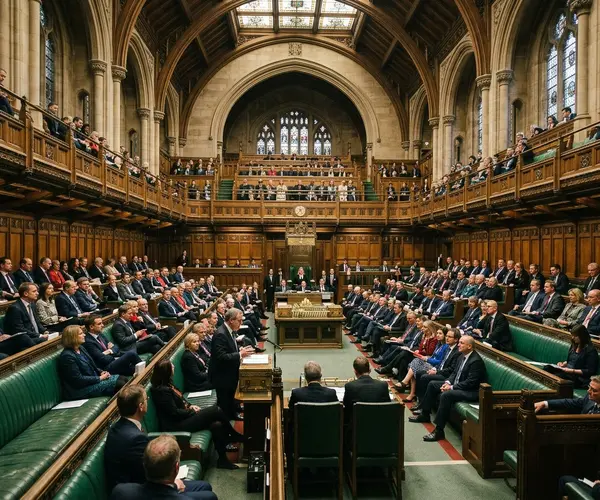
The Commons chamber is surprisingly small. It was deliberately rebuilt after wartime bomb damage to be too small to seat all 650 MPs at once, on the advice of Winston Churchill, who believed that a packed chamber created a better atmosphere for debate. The benches are covered in green leather, and the government sits on one side facing the opposition on the other, separated by two red lines on the floor that are traditionally said to be two sword lengths apart.
What the Commons Does
The Commons is where most legislation begins and where the most important debates take place. It controls taxation and public spending, and the government must maintain the confidence of the Commons to remain in power. A vote of no confidence in the Commons can bring down a government.
The House of Lords
The House of Lords is an unelected chamber made up of life peers appointed by the monarch on the advice of the Prime Minister, hereditary peers who have retained their seats, and bishops of the Church of England. Its membership fluctuates but sits at around 800, making it one of the largest legislative chambers in the world.
The Lords chamber is considerably more ornate than the Commons. Its benches are upholstered in red leather, and the room is richly decorated with gold leaf, carved wood and stained glass. The golden throne at one end is used by the monarch during the State Opening of Parliament.
What the Lords Does
The Lords acts primarily as a revising chamber. It scrutinises legislation sent from the Commons, suggests amendments and sends bills back for further consideration. It cannot ultimately block legislation passed by the Commons, but it can delay it and draw public attention to concerns. The Lords also conducts its own inquiries and debates on matters of public policy.
Why Two Chambers?
The bicameral system exists to provide checks and balances. The Commons, as the elected chamber, has democratic legitimacy and the final say on legislation. The Lords, free from the pressures of re-election, can take a longer view and apply expertise that the Commons may lack. Many members of the Lords are former ministers, judges, scientists, business leaders and other specialists.
The relationship between the two chambers has been a source of constitutional tension for centuries. The Parliament Acts of 1911 and 1949 formally established the supremacy of the Commons, removing the Lords' power to veto legislation entirely. Reform of the Lords remains an ongoing political debate, with proposals ranging from a fully elected second chamber to abolition.
Visiting Both Chambers
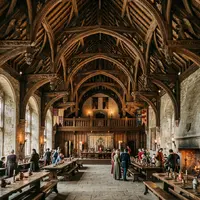
Both chambers can be visited on guided tours, and the contrast between them is one of the highlights of any visit to Parliament. The shift from the austere green of the Commons to the lavish red and gold of the Lords is striking and tells its own story about the different characters of the two houses. The tour also passes through Westminster Hall, the oldest part of the palace, which is one of the most impressive spaces in the building.