A Tradition Dating to 1877
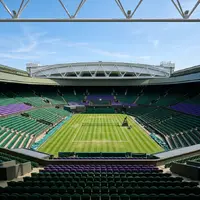
Wimbledon has been played on grass since the very first Championship in 1877. At that time, all tennis was played on grass because the sport evolved from lawn games played in the gardens of Victorian England. The original name of the sport was "lawn tennis," and grass was simply the natural surface for it.
While the other three Grand Slam tournaments have moved to different surfaces over the years (the Australian and US Opens to hard courts, the French Open remaining on clay), Wimbledon has stayed faithful to grass. This commitment to tradition is central to the tournament's identity and is one of the reasons it holds a unique place in the sporting calendar.
How the Grass Affects Play
Playing on grass produces a distinctly different style of tennis compared to hard courts or clay. The ball bounces lower and faster off grass, which rewards players with strong serve-and-volley games and flat groundstrokes. Points tend to be shorter, and aggressive, attacking play is generally more effective than the baseline rallies that dominate clay court tennis.
The surface also introduces an element of unpredictability. Grass courts can produce uneven bounces, particularly as the tournament progresses and the surface wears down. This means that players need to be adaptable and comfortable adjusting their positioning at short notice.
Over the decades, changes in racket technology and string materials have altered how players approach grass court tennis. The modern game features more baseline play on grass than in previous eras, but the surface still favours players who are willing to come forward and finish points at the net.
The Science of Wimbledon's Grass
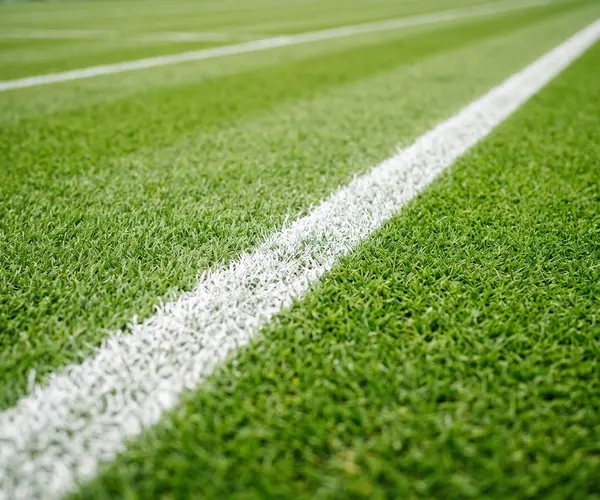
The grass at Wimbledon is not an ordinary lawn. The All England Club employs a team of full-time groundskeepers who maintain the courts throughout the year. The grass is a blend of 100% perennial ryegrass, a composition that has been refined over decades to produce the most durable and consistent playing surface possible.
During the Championships, the grass is cut to exactly 8mm. Before the tournament begins, it is maintained at a slightly longer length and then brought down to playing height in the weeks leading up to the first match. The courts are watered, rolled and meticulously inspected daily.
Despite all this care, the grass inevitably wears during the two weeks of play. By the time of the finals, the baseline areas are noticeably bare, particularly on Centre Court and Court 1 where the most matches are played. This progressive wear is simply part of the character of grass court tennis.
Why Other Tournaments Moved Away from Grass
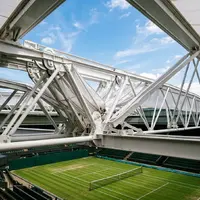
The practical challenges of maintaining grass courts are significant. Grass requires constant care, is affected by weather conditions and can become dangerous when wet. These factors led most professional tournaments to switch to hard courts or clay during the second half of the 20th century.
The US Open was played on grass at Forest Hills until 1975 before switching to clay and then hard courts. The Australian Open moved from grass to hard courts in 1988. Today, Wimbledon stands alone among the Grand Slams in its commitment to the original playing surface.
More Than Just a Surface
For Wimbledon, grass is not merely a practical choice. It is a statement of identity. The surface connects the modern tournament to its Victorian origins and reinforces the traditions that set Wimbledon apart from every other event in tennis. The white clothing, the strawberries and cream, the royal patronage and the grass courts all work together to create something that feels timeless.