The Origins of the Tradition
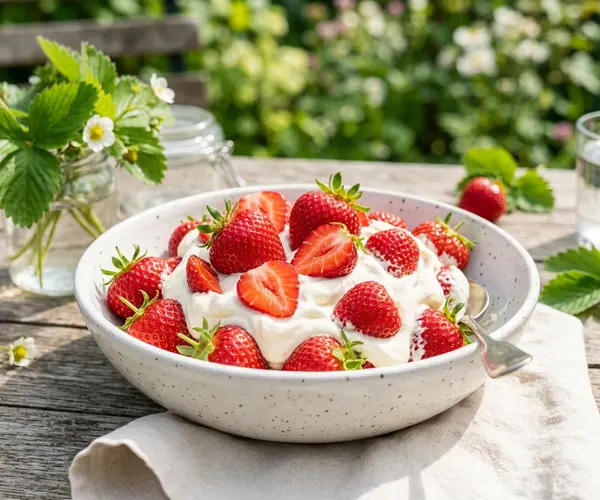
The connection between strawberries and cream and Wimbledon stretches back to the very beginnings of the tournament. When the first Championships were held in 1877, strawberries were already a fashionable summer delicacy among the Victorian upper classes who attended garden parties and sporting events. The combination of ripe English strawberries with fresh cream was a natural fit for an outdoor summer occasion.
Some historians trace the pairing of strawberries and cream in English culture even further back, to the court of King Henry VIII or to a banquet hosted by Thomas Wolsey in the 1500s. Regardless of the exact origin, by the time lawn tennis became a popular spectator sport, the combination was firmly established as a quintessentially English summer treat.
The Numbers
The scale of strawberry consumption at Wimbledon is remarkable. During a typical Championships fortnight, spectators eat approximately 190,000 portions of strawberries and cream. That translates to roughly 28,000 kilograms of strawberries and 7,000 litres of cream consumed over the course of the tournament.
Each portion contains around 10 strawberries, served with a generous helping of fresh cream. The demand is so consistent that Wimbledon's catering operation plans for these quantities months in advance.
Where the Strawberries Come From
Wimbledon is particular about its strawberries. The tournament uses exclusively Class 1 English strawberries, primarily sourced from farms in Kent. Class 1 is the highest commercial grade, meaning the berries must meet strict standards for size, shape, colour and freedom from blemishes.
The strawberries are picked the day before they are served, ensuring maximum freshness. They arrive at the All England Club in the early hours of the morning and are inspected and prepared by the catering team before the gates open. Any berries that do not meet the required standard are rejected.
This commitment to quality is part of what makes Wimbledon's strawberries and cream so consistently good. Unlike supermarket strawberries that may have been picked days earlier and transported long distances, these berries are at the peak of ripeness when they reach the spectators.
Why the Tradition Endures
There are practical reasons why strawberries and cream have remained the signature food of Wimbledon for nearly 150 years. The tournament takes place in late June and early July, which coincides perfectly with the English strawberry season. The berries are at their best during this window, sweet and full of flavour in a way that imported or out-of-season strawberries rarely match.
The simplicity of the dish also plays a role. Strawberries and cream require no cooking, no complex preparation and no cutlery beyond a spoon. They are easy to eat while watching tennis, easy to serve to large numbers of people and universally appealing.
More Than Just Food
Eating strawberries and cream at Wimbledon has become a ritual that is as much a part of the experience as watching the tennis itself. For many visitors, queuing for their portion is one of the first things they do upon entering the grounds. The sight of spectators on Henman Hill (now Murray Mound) balancing a bowl of strawberries while watching matches on the big screen is one of the defining images of the British sporting summer.
The tradition connects today's spectators to every generation of Wimbledon fans that came before them. Even outside the Championships, you can visit Wimbledon year-round to explore the museum and tour the grounds. It is a small, delicious thread of continuity that links the modern Championships to their Victorian beginnings.