The Most Famous Trophy in Cricket
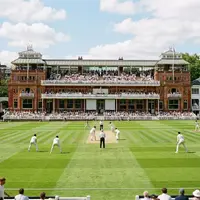
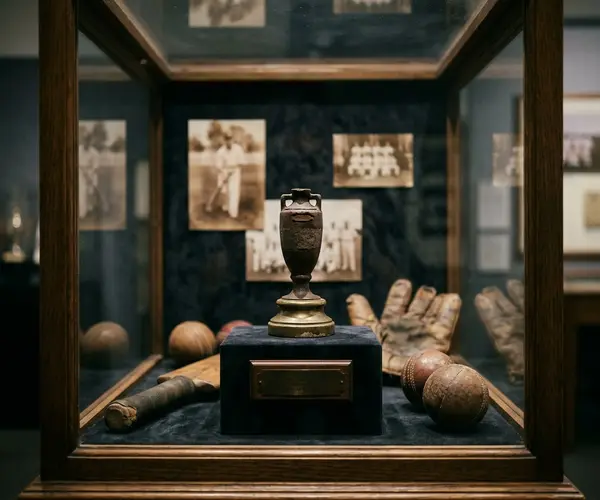
The Ashes urn is one of the most iconic objects in sport, yet it is surprisingly small and fragile. Standing just 15 centimetres tall, the terracotta urn sits in a glass case in the MCC Museum at Lord's Cricket Ground. It has been there since it was bequeathed to the MCC in 1927, and it has not left the ground since, except for two brief loans to museums in Australia.
Despite being the symbol of one of sport's greatest rivalries, the urn itself is not an official trophy. It was never intended to be one. Its story begins with a joke in a newspaper.
The Origin Story
In August 1882, Australia beat England at The Oval in London for the first time on English soil. The Sporting Times newspaper published a mock obituary stating that English cricket had died and "the body will be cremated and the ashes taken to Australia."
When England toured Australia the following winter, the team's captain Ivo Bligh vowed to "recover the ashes." After winning the series, a group of Melbourne women (the exact identities are debated) presented Bligh with a small urn said to contain the ashes of a burnt cricket bail or ball. Bligh took the urn home as a personal memento.
Why It Never Leaves Lord's
The urn was a personal gift to Ivo Bligh, not a trophy awarded to the winning team. When Bligh died in 1927, his widow Florence donated it to the MCC, and it has remained at Lord's ever since.
The MCC considers itself the custodian of the urn rather than the owner. It is too fragile to travel regularly and too historically significant to risk damage. The terracotta could crack, the contents could be disturbed and the velvet bag it sits in is itself a delicate artefact.
This means that when Australia wins the Ashes, they do not take the urn home. They celebrate with the Waterford Crystal trophy, a larger replica that was introduced in 1998 to give the winning team something physical to hold up.
The MCC Museum
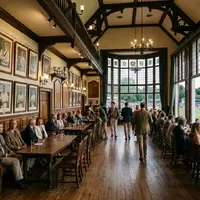
The urn is the centrepiece of the MCC Museum, which is the oldest sports museum in the world (founded in 1953 and redesigned several times since). The museum sits inside the Lord's pavilion and contains cricket memorabilia spanning centuries, including the sparrow mounted on the ball that killed it during a match in 1936 and a collection of historic bats, balls and equipment.
The Ashes urn is displayed in its own case with explanatory panels telling the full story. Visitors can see just how small it is, which is always a surprise. Photographs and prints of the original mock obituary from The Sporting Times are displayed alongside it.
Seeing It For Yourself
The MCC Museum is accessible on Lord's Cricket Ground tours, which run on non-matchdays throughout the year. During major matches, the museum has limited access. The tour is worth doing for the museum alone, as the Ashes urn is one of those objects that every cricket fan should see at least once.
The museum also covers the broader history of Lord's and the MCC, connecting the story of the urn to the wider narrative of cricket's development from an English pastime to a global sport. From the museum, you can see the striking Lord's Media Centre rising above the Nursery End.