Thomas Lord and the First Ground
Lord's Cricket Ground takes its name from Thomas Lord, a professional cricketer and entrepreneur from Yorkshire. In 1787, Lord was asked by members of the White Conduit Club (a gentlemen's cricket club) to find a private ground where they could play without being watched by the general public. He leased a field in Dorset Square, Marylebone, and opened it as a members' cricket ground.
That first ground was used from 1787 to 1811. When the lease expired, Lord moved the turf (literally digging up the playing surface and transporting it) to a second site on what is now the north side of Regent's Park. That ground lasted just two years before the construction of the Regent's Canal forced another move.
In 1814, Lord established the third and final ground on St John's Wood Road, the site that Lord's has occupied ever since. He brought the original turf with him for the third time, maintaining a physical link to the 1787 ground.
The MCC and the Laws of Cricket
The reason Lord's holds the title "Home of Cricket" goes beyond age. The Marylebone Cricket Club (MCC) has been based at Lord's since its formation in 1787, and it is the MCC that wrote and continues to maintain the Laws of Cricket. These are not just the rules used in England but the universal laws that govern the sport worldwide.
Every professional cricket match played anywhere in the world is played under laws that originate from Lord's. The MCC's role as guardian of the laws gives the ground an authority that no other venue can claim. It is not simply a stadium; it is the legislative home of the sport.
A Ground Steeped in History
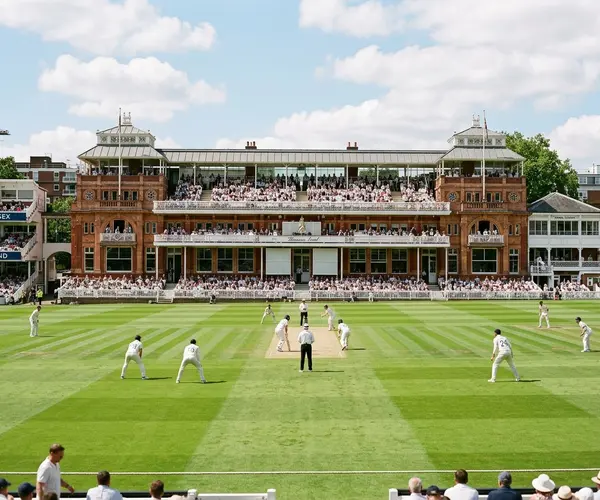
Lord's has hosted more significant matches than any other cricket ground. The first Test match in England was played here in 1884, and it has staged Ashes series, World Cup finals (1975, 1979, 1983, 1999 and the dramatic 2019 final) and countless memorable moments.
The Honours Boards in the pavilion list every player who has scored a century or taken five wickets in an innings at Lord's in a Test match. Having your name on the Lord's Honours Board is considered one of the highest achievements in the sport.
The Pavilion
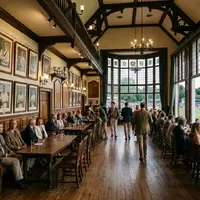
The Victorian pavilion, built in 1890, is the symbolic heart of Lord's. Players must walk through the famous Long Room to reach the pitch, passing between rows of MCC members who watch in silence (or, occasionally, heated appreciation). The pavilion is steeped in tradition and remains restricted to MCC members and their guests on match days, though it is accessible on stadium tours.
Why It Still Matters
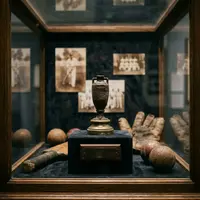
Some cricket grounds are larger. The Melbourne Cricket Ground holds over 100,000. Eden Gardens in Kolkata is more atmospheric for certain matches. But no ground carries the same historical weight as Lord's. It is where the sport's rules were written, where the Ashes urn is kept, and where generations of players have measured their careers against the greatest in history.
For cricket, Lord's is not just a venue. It is the game's origin, its authority and its most treasured stage.