The Problem with Highbury
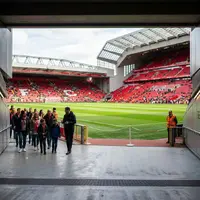
Arsenal played at Highbury for 93 years, from 1913 to 2006. The ground was steeped in history and beloved by supporters, but by the late 1990s it had become clear that the stadium was holding the club back.
The fundamental issue was capacity. At 38,419 seats, Highbury was significantly smaller than the homes of Arsenal's main rivals. Manchester United's Old Trafford held over 67,000 at the time, and even newly promoted clubs were building grounds that rivalled Highbury's size.
The problem was compounded by Highbury's location. The Emirates Stadium project became necessary because the old ground was embedded in a dense residential neighbourhood in Islington, north London. The Art Deco East Stand and the listed West Stand facade were hemmed in by terraced houses on all sides, making any meaningful expansion physically impossible.
The Financial Pressure
Beyond the capacity issue, the economics of modern football made the move essential. Matchday revenue is a significant income stream for Premier League clubs, and Arsenal were leaving millions on the table with every home game. Thousands of supporters were on waiting lists for season tickets that could never be fulfilled at a 38,000-seat ground.
The gap between Arsenal's revenue and that of clubs with larger stadiums was growing every season. To remain competitive at the highest level without relying solely on broadcast income and commercial deals, the club needed substantially more seats.
Building the Emirates
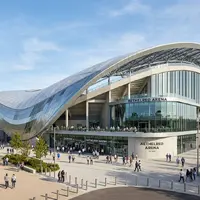
The new stadium was built on the site of the former Ashburton Grove industrial estate, less than 500 metres from Highbury. The proximity was important to the club, which wanted to maintain its connection to the Islington area.
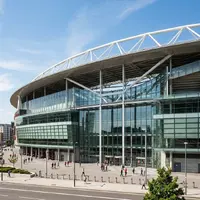
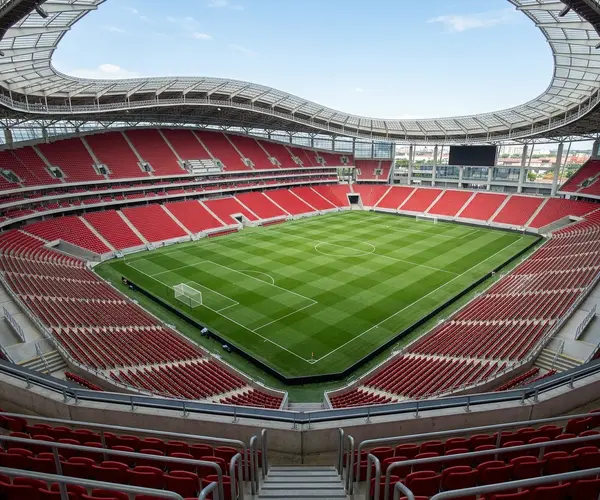
Construction began in 2004 and the Emirates opened in July 2006 at a cost of approximately £390 million. The 60,704-seat stadium represented a near-doubling of capacity and brought Arsenal into line with the largest club grounds in Europe.
The financial burden of the stadium project was significant. Arsenal funded much of the construction through commercial deals and property development, and the club famously operated under tight financial constraints during the building period. Manager Arsene Wenger worked with limited transfer budgets for several years, a period that tested the patience of supporters but ultimately delivered a world-class stadium.
The Naming Rights Deal
The Emirates airline naming rights deal, originally signed in 2004 for 15 years, was a crucial part of the financing. The deal has been extended multiple times and is worth over £200 million in total. While some supporters would have preferred a name with greater historical resonance, the commercial reality made a naming rights partnership essential to the project's viability.
What Happened to Highbury
After Arsenal played their final match at Highbury in May 2006, the stadium was redeveloped into a residential complex called Highbury Square. The development preserved the listed Art Deco East Stand facade and the original entrance, incorporating them into the design of the apartment buildings.
The pitch area was transformed into communal gardens for residents, roughly retaining the dimensions of the original playing surface. The marble halls of the former entrance have been preserved, and several original features are visible throughout the development.
For many Arsenal supporters, visiting Highbury Square is a bittersweet experience. The care taken to preserve elements of the old ground is appreciated, but the transformation of a legendary football stadium into luxury apartments symbolises both the necessity and the cost of progress in modern football.