The Size of the Emirates
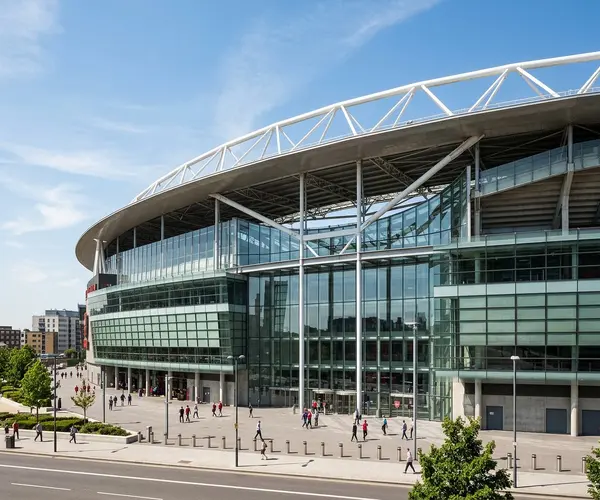
The Emirates Stadium seats 60,704 spectators across four tiers of seating. This makes it the third-largest football-specific stadium in England, behind only Old Trafford (74,310) and the Tottenham Hotspur Stadium (62,850).
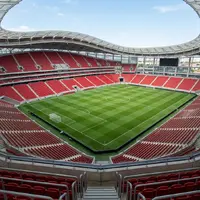
The stadium was designed by architects Populous (then known as HOK Sport) and was purpose-built to give Arsenal a ground that matched the club's ambitions. The bowl design ensures that every seat has an unobstructed view of the pitch, and the steep rake of the upper tiers brings even the highest seats relatively close to the action.
How It Compares
When Arsenal moved from Highbury to the Emirates in 2006, they nearly doubled their matchday capacity. This was the primary motivation for the move, and the full story of why Arsenal left Highbury explains the financial and practical pressures behind the decision. Highbury's 38,419 seats were insufficient for a club competing at the highest level of European football.
The Emirates sits comfortably among the largest club grounds in Europe. For comparison, some notable capacities include:
- Old Trafford (Manchester United) - 74,310
- Tottenham Hotspur Stadium - 62,850
- Emirates Stadium (Arsenal) - 60,704
- London Stadium (West Ham) - 62,500
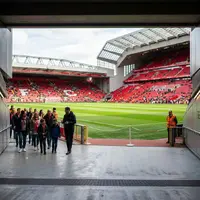
- Anfield (Liverpool) - 61,276 (after expansion)
- Etihad Stadium (Manchester City) - 53,400
The Seating Layout
The stadium is divided into four main seating areas. The lower tier wraps around the entire pitch and provides the closest views. The upper tier offers panoramic views from a higher vantage point. Between these two main tiers sit the Club Level and the Box Level, which provide premium seating and hospitality options.
The Club Level contains over 7,000 premium seats with access to restaurants and lounges. The Box Level houses 150 executive boxes that ring the stadium at mid-height. While these premium areas reduce the number of general admission seats, they were essential to the financial model that made building the stadium viable.
Matchday Atmosphere
One criticism that has followed the Emirates since its opening is that the atmosphere does not always match that of Highbury or other older, more compact grounds. The larger capacity and wider concourses can sometimes make the stadium feel less intense than smaller venues.
However, for big matches against top rivals and in European competition, the Emirates generates significant noise. The Clock End and the lower tier of the North Bank are particularly vocal sections, and the club has worked to improve the atmosphere through fan initiatives and seating arrangements.
Sell-Out Crowds
Arsenal regularly sell out the Emirates, with demand for tickets consistently exceeding supply. The club's season ticket waiting list has historically been one of the longest in English football, reflecting both the size of Arsenal's supporter base and the relatively limited capacity for a club of this stature.
The decision to build a 60,000-seat stadium rather than something larger was driven by practical and financial constraints at the time. The cost of the Emirates project was approximately £390 million, and every additional thousand seats would have added significantly to the budget.