Emirates Stadium (Arsenal)
Self-guided audio tour of Arsenal's 60,704-seat Emirates Stadium with museum access, dressing rooms, tunnel walk and Invincibles memorabilia
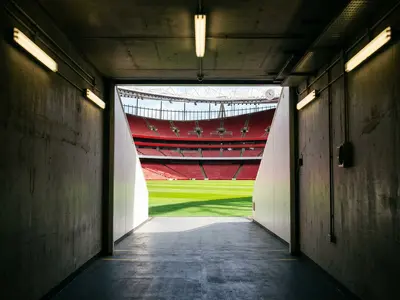
Self-guided audio tour of Arsenal's 60,704-seat Emirates Stadium with museum access, dressing rooms, tunnel walk and Invincibles memorabilia
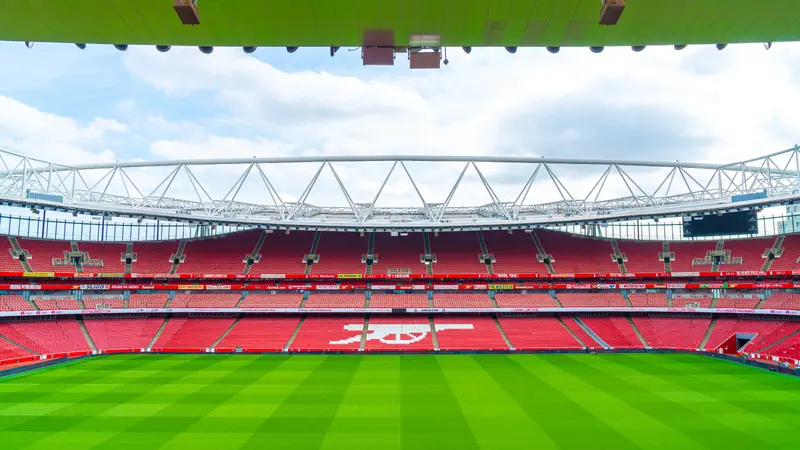
The Emirates has been Arsenal's home since 2006 — a 60,704-seat arena designed by Populous and one of Europe's finest modern grounds. The self-guided audio tour lets you explore the dressing rooms, players' tunnel and pitchside at your own pace.
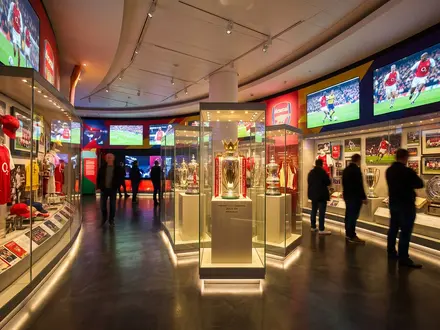
The on-site museum covers Arsenal's history from 1886, with thirteen league titles, 14 FA Cups and the 2003–04 "Invincibles" season represented through trophies and multimedia displays. Whether you support Arsenal or simply love football, this is one of London's most polished stadium experiences.
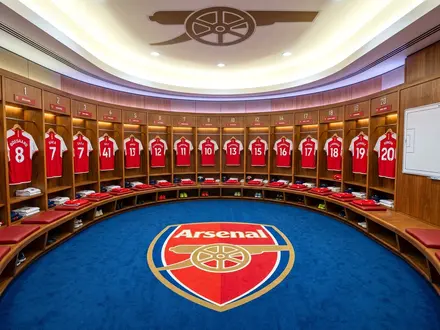
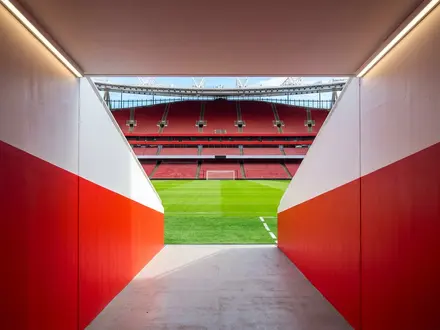
Unlike tours that herd you through in a fixed group, the Emirates experience is self-guided. You collect an audio handset — with English commentary voiced by former players Lee Dixon and Charlie George — and move at your own pace. The route covers the home and away dressing rooms, warm-up area, players' tunnel, press conference room and pitchside dugouts.
Standing in the tunnel with 60,000 empty seats rising around you is genuinely atmospheric. On quieter weekday mornings you may have entire sections almost to yourself, making for better photographs and a more immersive visit. Last entry is typically one hour before closing.
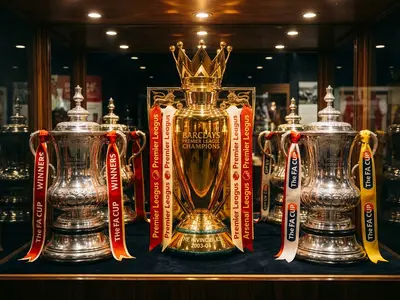
The Arsenal Museum sits within the stadium complex and covers the club's full arc from its founding as Dial Square FC at the Royal Arsenal munitions factory in Woolwich in 1886, through the Herbert Chapman revolution of the 1930s, to the modern era under Arsene Wenger and beyond. The centrepiece is the trophy room: all 13 league titles and 14 FA Cups alongside the golden Premier League trophy awarded to the 2003–04 Invincibles — the only squad in modern history to go an entire top-flight season unbeaten.
Interactive screens let you explore match footage, player profiles and tactical analysis. Temporary exhibitions rotate throughout the year, focusing on specific eras or legendary players.
Arsenal played at Highbury for 93 years before moving in 2006. Highbury held only 38,419, and the club needed a larger ground to compete financially. The Emirates, built on the site of a former waste transfer station in Ashburton Grove, more than doubled match-day revenue.
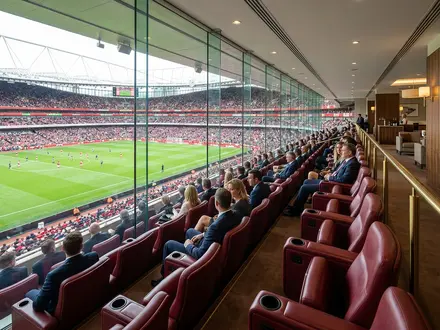
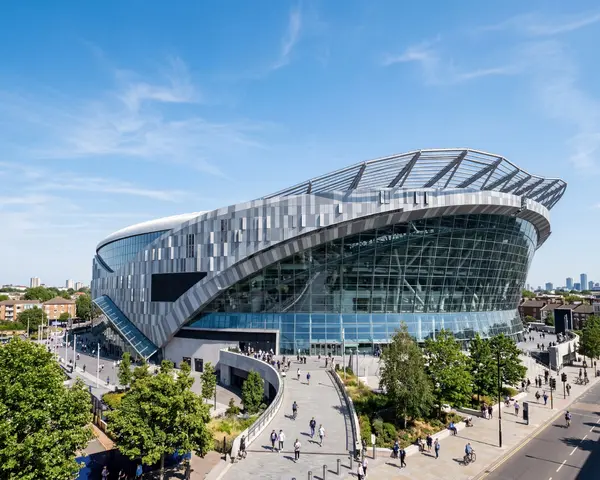
The stadium's four-tier bowl design creates a steep, enclosed atmosphere, and translucent polycarbonate cladding glows on match nights. At 60,704 seats, it is the fourth-largest football ground in England after Wembley, Old Trafford and the Tottenham Hotspur Stadium. The old Highbury, half a mile south, has been converted into apartments, but the Art Deco East Stand facade and marble entrance halls survive — well worth a combined visit.
The audio tour includes museum entry. The tour is available in 10 languages including English, Spanish, Mandarin and Japanese, with a British Sign Language option. Legends Tours with former players are occasionally available at premium prices.
The quietest time to visit is a weekday morning shortly after opening. You will have more space in the dressing rooms and tunnel for photographs, and the audio tour feels more immersive without crowds.
Tours do not run on match days or the day before home European fixtures. Check Arsenal's schedule before you plan your visit to avoid disappointment.
Arsenal station on the Piccadilly line is the most convenient, with a short signposted walk to the stadium. Holloway Road station closes on match days and is slightly further away.
The former Highbury stadium is a 10-minute walk south along Avenell Road. The preserved Art Deco facade on the East Stand is worth seeing for any football architecture enthusiast.
The self-guided format means there is no rush, but the museum alone can easily take 45 minutes if you engage with the interactive displays. Allow at least 1.5 to 2 hours for the full visit.

London Travel Writer · 12+ years covering UK attractions and tourism
Last reviewed: March 5, 2026