A Vast Green Space
Hampstead Heath stretches across 790 acres of north London, running from the streets of Hampstead in the west to Highgate in the east, and from Gospel Oak in the south to Kenwood House in the north. To put this in perspective, it is more than twice the size of Hyde Park and roughly the same area as the entire City of London financial district.
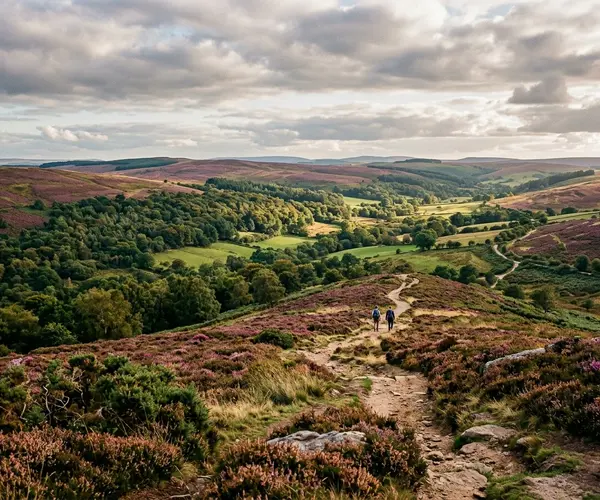
Unlike the manicured Royal Parks of central London, the Heath has a wild, ancient character. Much of the landscape has been left to develop naturally, with areas of dense woodland, rough grassland, boggy hollows, and exposed hilltops. Walking across it, you could easily forget you are in one of the world's largest cities.
Ancient Origins
The Heath has been open common land for centuries. Parts of it are genuinely ancient, with areas of woodland that have existed continuously since at least the medieval period. The soil is London Clay overlaid with sand and gravel, which creates the varied terrain of hills, valleys, and waterlogged areas that give the Heath its distinctive character.
The land was never enclosed for agriculture on a large scale, which is why it retains its wild appearance. Various lords of the manor held rights over the Heath, but the people of Hampstead and Highgate fought repeatedly to preserve public access. The most significant battle came in the 1870s, when developers threatened to build over parts of the Heath. Parliament intervened, and the Hampstead Heath Act of 1871 placed the land under public protection.
What the 790 Acres Include
The Heath is not a single uniform space but a patchwork of different landscapes. The southern slopes, dominated by Parliament Hill and its panoramic viewpoint, are open grassland with sweeping views across London. The central area includes dense woodland, particularly around the Thousand Year Old Oak and the woodland walks near Kenwood.
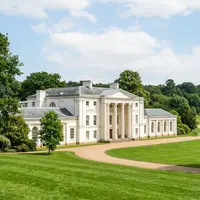
To the north, the grounds of Kenwood House add formal parkland and gardens to the mix. The estate includes landscaped grounds designed by Humphry Repton, with a lake and concert bowl where outdoor performances are held in summer.
Scattered across the Heath are 25 ponds, ranging from the three bathing ponds in the eastern section to ornamental ponds, model boating ponds, and wildlife ponds. The ponds are fed by the headwaters of the River Fleet, which rises on the Heath and flows underground through London to the Thames.
Exploring the Full Extent
Walking from the southern entrance near Gospel Oak to the northern boundary at Kenwood House takes about 40 minutes at a steady pace. Walking the full east-to-west extent, from Highgate Ponds to the western edge near Jack Straw's Castle, takes about 30 minutes. But these times assume a direct route, and the Heath's winding paths, hidden hollows, and unexpected viewpoints reward a less purposeful approach.
The Heath has over 30 miles of footpaths, though many of the most interesting walks follow unofficial routes through woodland and across meadows. It is easy to get happily lost, which is part of the appeal. Regular visitors often discover new corners even after years of exploration.
A Living Ecosystem
The size and variety of the Heath supports a rich ecosystem. Over 180 bird species have been recorded, including woodpeckers, kingfishers, and tawny owls. Foxes, hedgehogs, and bats are all present, and the ponds support populations of frogs, newts, and dragonflies.
The ancient woodland areas are particularly important for biodiversity. Veteran trees provide habitats for insects and fungi that depend on old wood, and the undisturbed leaf litter supports a complex food web of invertebrates and small mammals. The City of London Corporation manages the Heath with conservation as a priority, balancing public access with the need to protect these habitats.