A Highlights Tour in 2 to 3 Hours
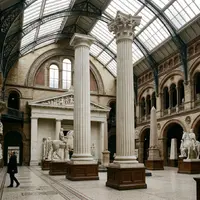
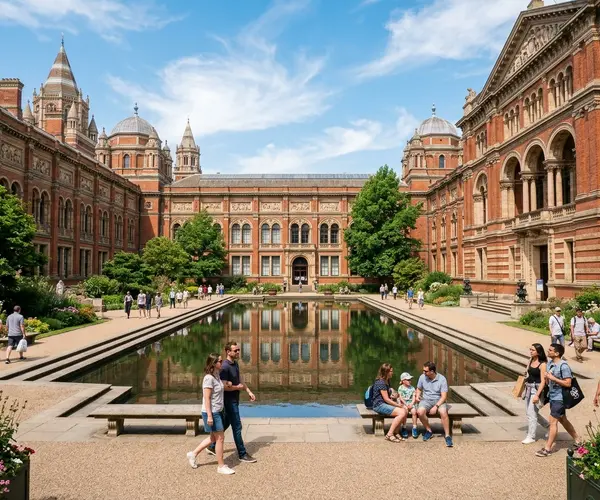
Two to three hours will give you enough time to see the V&A's most celebrated objects and galleries without feeling rushed. A practical highlights route might include the best exhibits at the V&A such as the Cast Courts, the Raphael Cartoons, the Fashion Gallery, the Jewellery Gallery and Tipu's Tiger, with a pause in the John Madejski Garden courtyard.
The museum provides free floor plans and suggested trails that help you navigate efficiently. Staff at the information desks can also recommend routes based on your interests, whether that is fashion, architecture, medieval art or Asian design.
Why You Cannot See Everything
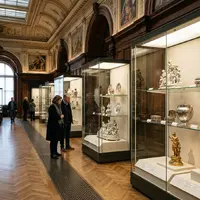
The V&A has 145 galleries across five floors, holding objects that span over 5,000 years of human creativity. The collection includes furniture, fashion, ceramics, glass, textiles, metalwork, jewellery, photography, sculpture, paintings, theatre designs, architecture and more. No museum of this breadth can be absorbed in a single visit.
Gallery fatigue is a real factor too. After about two hours of concentrated looking, most people find their attention starting to wane. Rather than pushing through and remembering nothing, it is better to stop while you are still engaged and plan a return visit.
Choosing What to Focus On
The V&A rewards visitors who pick a theme and follow it. If you are interested in fashion, the Fashion Gallery and the textile rooms will hold your attention for an hour or more. If you prefer sculpture, the Cast Courts and the Medieval and Renaissance galleries are the place to start. If Asian art appeals, the museum has outstanding collections of Chinese, Japanese, South Asian and Islamic art across several dedicated galleries.
The museum's depth means that almost any interest can be pursued here. The photography collection, the theatre and performance galleries, the ironwork gallery and the silver rooms all contain world-class objects that many visitors never discover because they run out of time.
Timing Your Visit
The V&A opens at 10am and weekday mornings are generally the quietest. Weekend afternoons, particularly during special exhibitions or events, tend to be busiest. Friday evenings, when the museum hosts its Friday Late events, bring a different crowd and a more social atmosphere.
If you are visiting during a busy period, head to the upper floors first. Most visitors concentrate on the ground floor and Level 1, leaving the upper galleries significantly quieter.
Combining with Nearby Museums
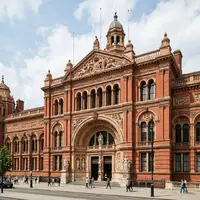
The V&A sits on Cromwell Road in South Kensington, directly opposite the Natural History Museum and a short walk from the Science Museum. All three are free, and many visitors try to combine two in a single day.
If you plan to visit the V&A and one of its neighbours, allow about two hours at each and build in a break for lunch. The museum's own cafe, set in the magnificent Morris, Gamble and Poynter rooms, is worth visiting for the architecture alone.