The Turbine Hall
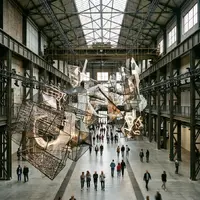
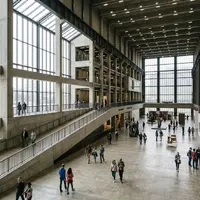
The Turbine Hall is the first thing you see when you enter the Tate Modern from the river entrance. This enormous space, 152 metres long and 35 metres high, was once the turbine room of the Bankside Power Station. Today it hosts specially commissioned installations by leading contemporary artists. The annual Hyundai Commission has produced some extraordinary works here, from Olafur Eliasson's artificial sun to Ai Weiwei's porcelain sunflower seeds spread across the floor. Whatever is on show, the sheer scale of the hall makes it an experience in itself.
The Rothko Room
Mark Rothko's Seagram Murals occupy a dedicated room that is one of the most powerful spaces in the museum. Rothko originally painted these deep red and maroon canvases for the Four Seasons restaurant in New York, but he withdrew from the commission and later donated a group of the paintings to the Tate. The room is deliberately dimly lit to match Rothko's wishes, creating an immersive, almost meditative atmosphere. Spending a few minutes sitting quietly in this room is one of the defining experiences of the Tate Modern.
Picasso and the Early Moderns
The collection includes significant works by Pablo Picasso, Georges Braque, Fernand Léger and other pioneers of Cubism and early modernism. Picasso's works at the Tate span several decades of his career, offering a sense of how his style evolved. Nearby galleries hold works by Henri Matisse, including his famous paper cut-outs, and pieces by Piet Mondrian and Kazimir Malevich that trace the development of abstract art.
Warhol, Pop Art and Beyond
Andy Warhol's screen prints and other Pop Art works by Roy Lichtenstein and Richard Hamilton feature prominently in the post-war galleries. These rooms also include works by Joseph Beuys, Louise Bourgeois and other artists who reshaped the boundaries of what art could be in the second half of the 20th century.
Monet's Water Lilies
Claude Monet's water lily paintings bridge the gap between Impressionism and the abstract art that dominates much of the Tate Modern. The museum holds several of these late works, which show Monet pushing colour and form to the point where representation almost dissolves entirely.
The Building Itself
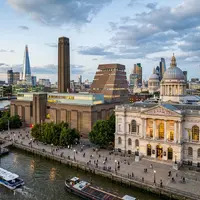
The Tate Modern occupies the former Bankside Power Station, designed by Sir Giles Gilbert Scott, who also designed Battersea Power Station and the iconic red telephone box. The conversion by architects Herzog and de Meuron preserved the building's industrial character while transforming it into one of the world's most distinctive gallery spaces. The Blavatnik Building extension, added in 2016, offers a free viewing terrace on Level 10 with sweeping views across the Thames to St Paul's Cathedral and the City of London.
Planning Your Visit
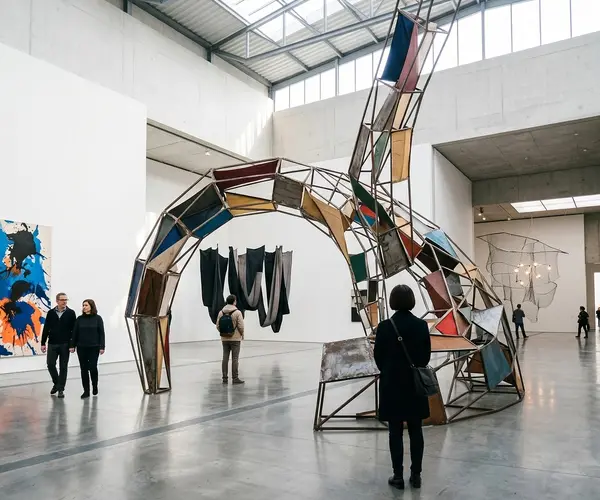
The displays are organised thematically rather than chronologically, which means you might find a Monet next to a contemporary video installation. This can be disorienting at first, but it encourages unexpected connections between works from different periods. The free collection is vast, so it helps to pick a few highlights rather than trying to see everything in one visit. If you are weighing up which Tate gallery to visit, our guide on the differences between Tate Modern and Tate Britain can help you decide.