Britain and the Sea
The National Maritime Museum in Greenwich explores how Britain's relationship with the sea has shaped the nation and the wider world. As an island country dependent on maritime trade, naval defence and overseas connections, Britain's history is inseparable from the ocean. The museum covers this story across multiple galleries, from the age of sail to modern shipping and marine conservation.
The scope is deliberately broad. The museum does not simply celebrate naval victories or romanticise the age of exploration. It examines the full complexity of maritime history, including the slave trade, the human cost of warfare at sea, the experience of migrants who crossed oceans to new lives, and the environmental challenges facing the world's seas today.
The Building and Its Setting
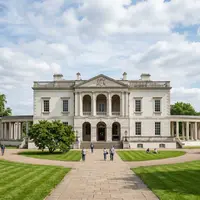
The museum occupies a magnificent Palladian building in Greenwich, originally designed as a school for the children of seafarers. The building sits within the Greenwich UNESCO World Heritage Site, alongside the Old Royal Naval College, the Queen's House and Greenwich Park. The architectural setting is appropriate for a museum of this stature, with grand colonnaded wings and a central hall that immediately conveys the scale of the collection.
The location in Greenwich is itself significant. Greenwich has been connected to seafaring and navigation for centuries. The Royal Observatory on the hill above the museum established the Prime Meridian, the zero line of longitude from which all navigation is measured. The museum's position in this historic maritime landscape adds depth to the experience of visiting.
What the Galleries Cover
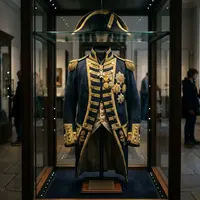
The permanent galleries are organised by theme rather than strict chronology, allowing visitors to explore subjects that interest them most. The Nelson gallery tells the story of Britain's most famous admiral through personal artefacts and objects from his battles. Polar Worlds covers Arctic and Antarctic exploration. The Traders gallery examines how maritime commerce created global trade networks and the human consequences of that trade.
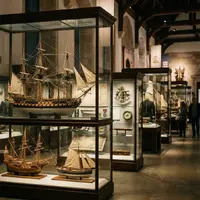
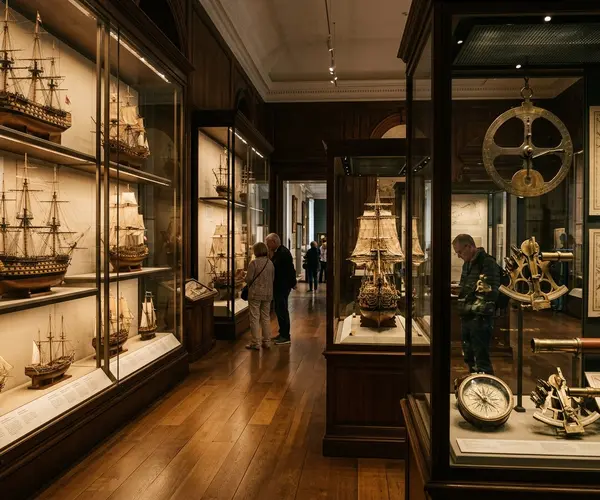
The museum also has extensive collections of maritime art, including paintings by JMW Turner, ship models of extraordinary detail, navigational instruments, charts and maps from the age of exploration, and personal belongings of ordinary sailors and passengers. The Great Map, a large interactive floor installation, gives visitors a physical sense of the scale of the world's oceans.
Difficult Histories
One of the museum's strengths is its willingness to address uncomfortable aspects of maritime history. The galleries covering the transatlantic slave trade present the subject with honesty and sensitivity, using artefacts, personal accounts and historical documents to convey the scale of suffering involved. The colonial dimensions of Britain's maritime expansion are also examined, with the museum acknowledging the violence and exploitation that accompanied trade and territorial acquisition.
This balanced approach makes the museum more than a celebration of British seafaring. It is a place where visitors can engage with the full moral complexity of maritime history, understanding both the achievements and the costs of Britain's centuries-long dominance of the seas.
A Museum for Everyone
Despite the breadth and seriousness of its subject matter, the National Maritime Museum is welcoming and accessible. Interactive displays, hands-on activities and the Great Map make it engaging for children, while the depth of the collection rewards repeated visits from adults with specialist interests. The free admission means there is no barrier to dropping in for an hour or spending a full day exploring.