Nelson's Trafalgar Uniform
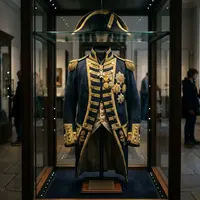
The National Maritime Museum holds many treasures, but nothing draws visitors quite like the coat Horatio Nelson wore at the Battle of Trafalgar on 21 October 1805. The dark blue vice-admiral's undress coat is displayed with the hole in the left shoulder where the musket ball entered, fired by a French sharpshooter from the rigging of the Redoutable. The ball passed through his shoulder and lodged in his spine. Nelson died three hours later in the cockpit of HMS Victory.
The coat is displayed alongside other Nelson artefacts, including the musket ball itself that was extracted from his body, his personal possessions and letters. Together they form one of the most moving displays in any London museum, connecting visitors directly to one of the most significant moments in British naval history.
The Great Map
The Great Map is a vast interactive floor installation that covers the ground floor of the museum. Visitors can walk across a giant map of the world, using interactive projections to explore ocean currents, trade routes, migration patterns and the voyages of famous explorers. The map responds to movement and touch, making it a genuinely immersive experience.
Children are particularly drawn to the Great Map, but adults find it equally engaging. The scale of the installation gives a visceral sense of the distances covered by the sailors and explorers whose stories fill the rest of the museum.
Ship Models and Maritime Art
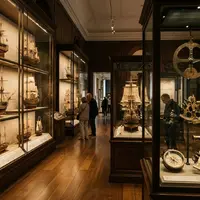
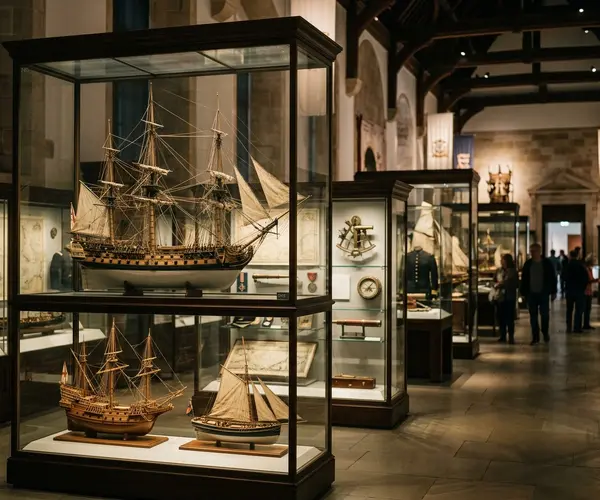
The museum holds one of the world's finest collections of ship models, ranging from tiny dockyard models used in the design process to elaborate presentation pieces given to monarchs and admirals. These models are works of art in their own right, with extraordinary detail in their rigging, decoration and construction. Some date back to the 17th century and show vessel types that have long since vanished from the seas.
The art collection is equally impressive. Maritime paintings by JMW Turner, including his dramatic depictions of storms and naval battles, hang alongside works by other painters who specialised in seascapes and ship portraits. The collection also includes cartography, with beautiful hand-drawn charts and maps from the age of exploration.
Polar Worlds
The Polar Worlds gallery covers the history of Arctic and Antarctic exploration, from the ill-fated Franklin expedition to Scott and Shackleton's journeys to the South Pole. The gallery displays equipment, clothing and personal effects from polar expeditions, giving a tangible sense of the extreme conditions these explorers faced. Photographs and journals add personal voices to the historical narrative.
Traders Gallery
The Traders gallery explores how maritime trade shaped the modern world, covering everything from the East India Company to the transatlantic slave trade. For a broader look at the museum's themes, see our guide to what the National Maritime Museum is about. The museum takes an honest and thoughtful approach to difficult histories, acknowledging the role of maritime commerce in both building wealth and causing immense suffering. Artefacts from trading vessels, personal accounts of enslaved people and objects from port communities around the world make this one of the most thought-provoking galleries in the museum.