The Original Market
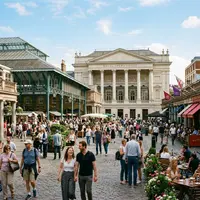
Covent Garden has been associated with trading and commerce since the 1650s, when the area around the piazza became an informal market for fruit and vegetables. By the 18th century, it had grown into London's largest and most important wholesale produce market, supplying greengrocers, restaurants and households across the city.
The market operated in the open air for its first two centuries, with traders setting up stalls in the piazza and surrounding streets. As the market expanded, the congestion and chaos became unmanageable, leading to the construction of a permanent market hall.
The Market Hall
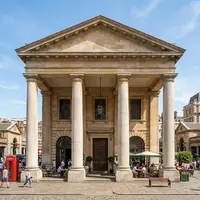
The covered market building that still stands today was designed by Charles Fowler and completed in 1830. It brought order to what had been an increasingly chaotic open-air trading floor. The hall was built in a neoclassical style with iron and glass roofing, creating a grand structure that served the practical needs of a working wholesale market while also befitting its location in one of London's most fashionable districts.
Over the following decades, additional buildings were added around the central hall, including the Floral Hall (now part of the Royal Opera House) and the Jubilee Market building. At its peak, the market employed thousands of people and handled enormous volumes of produce from across Britain and the continent.
The Move to Nine Elms
By the mid-20th century, the market had outgrown its central London location. The narrow streets around Covent Garden could not accommodate modern lorries, and the congestion caused by early-morning deliveries was causing significant disruption to the surrounding neighbourhood. In 1974, the wholesale market was relocated to a purpose-built facility at Nine Elms in Battersea, where it continues to operate today as New Covent Garden Market.
The move left the historic market buildings empty and at risk of demolition. There were serious proposals to flatten the area and redevelop it with modern office buildings and roads. A sustained campaign by local residents, preservationists and community groups saved the buildings, and the market hall was repurposed as a shopping and dining destination that opened in its new form in 1980.
The Market Today
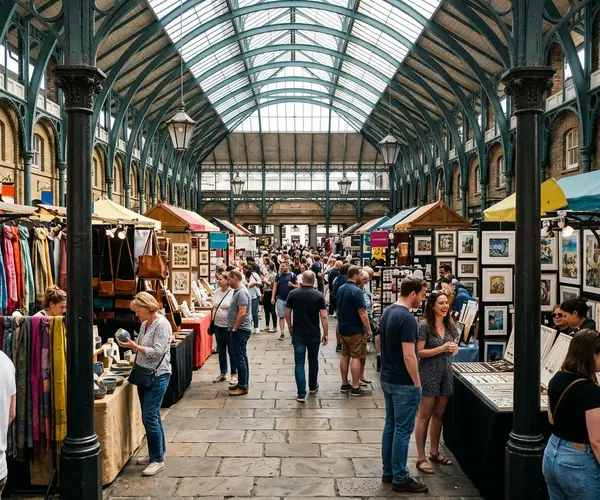
The central market hall now houses a curated selection of shops and restaurants rather than wholesale traders. The architecture has been carefully preserved, and walking through the main hall still gives a sense of the building's original market character, with its high glass ceilings, iron columns and open layout.
The Apple Market operates within the main hall on the upper level. On most days it sells handmade crafts, jewellery, artwork, clothing and accessories from independent makers and designers. On Mondays, the focus shifts to antiques and collectables. The Apple Market is the closest thing to a traditional market experience within the current Covent Garden setup.
The Jubilee Market, housed in a separate building on the south side of the piazza, offers a more conventional market feel. It sells general goods during the week and antiques on Mondays, providing a grittier, less polished alternative to the main hall.
Still a Market at Heart
While Covent Garden is no longer a market in the way it was for most of its history, the market identity remains central to how the area thinks of itself. The architecture, the layout, the open trading areas and the daily rhythms of stallholders setting up and packing down all echo the centuries of commerce that shaped this corner of London. Beyond the market stalls, there is a wide range of things to do in Covent Garden that reflects its evolution from wholesale market to cultural destination. Whether you consider it a market, a shopping centre or something in between depends on your definition, but the spirit of trading and gathering that started here in the 1650s is still very much present.