Selfridges
London's grandest department store — a 1909 Oxford Street landmark that turned shopping into spectacle
London's grandest department store — a 1909 Oxford Street landmark that turned shopping into spectacle
When Harry Gordon Selfridge flung open the doors of 400 Oxford Street on 15 March 1909, over 90,000 people poured in on the first day alone. The American-born retail pioneer had built something London had never seen — a department store designed not just for buying, but for browsing, socialising and being entertained.
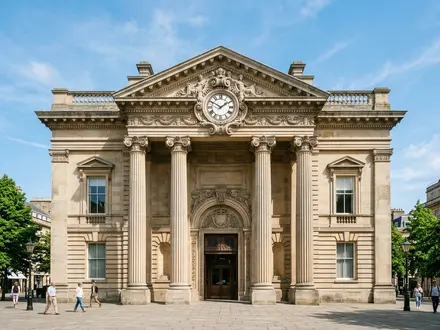
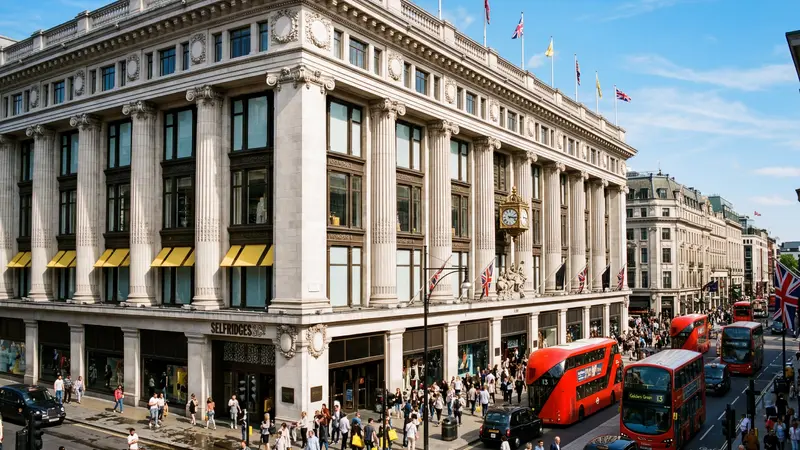
Today Selfridges remains one of London's most striking buildings, its neoclassical facade stretching an entire block along Oxford Street. Inside, more than 540,000 square feet of retail space houses designer fashion, a vast food hall, rooftop restaurants and regularly changing art installations.
Harry Gordon Selfridge made his name at Marshall Field's department store in Chicago before crossing the Atlantic in 1906 with an audacious plan: to build a store that would transform London's stuffy retail culture. He commissioned Daniel Burnham — the architect behind the Flatiron Building and Washington's Union Station — to design a neoclassical palace of commerce on Oxford Street. When it opened on 15 March 1909, the store was a sensation. Over one million people visited in the first week.
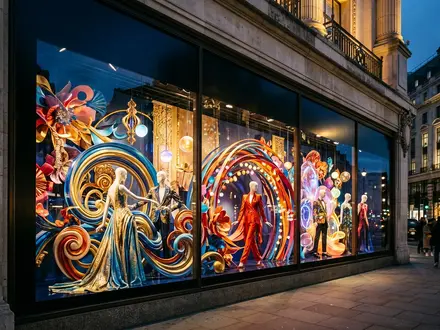
Selfridge introduced ideas that were revolutionary for Edwardian London. He placed perfume counters at the entrance rather than hiding them upstairs, created theatrical window displays, and welcomed browsers who had no intention of buying. The store became a social hub, with a rooftop garden, reading rooms, a library and a silence room for quiet contemplation. Selfridge ran the business until 1941, when mounting debts forced him out. He died in relative obscurity in 1947, but the store he created has outlasted him by nearly eight decades.
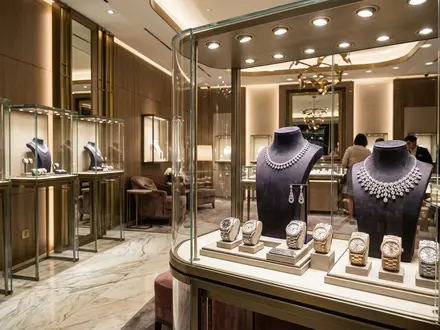
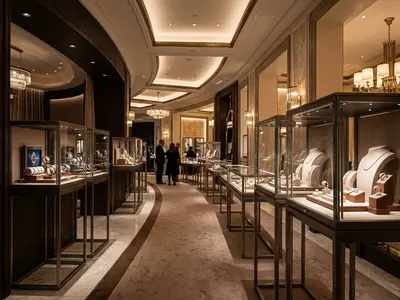
The ground floor remains the theatrical centrepiece, anchored by the Wonder Room — a vast jewellery and watches hall showcasing Cartier, Rolex, Van Cleef & Arpels and dozens of other luxury names. The perfume hall, true to Selfridge's original vision, greets visitors near the main entrance with hundreds of fragrances.
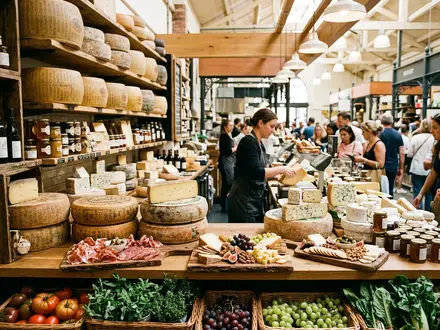
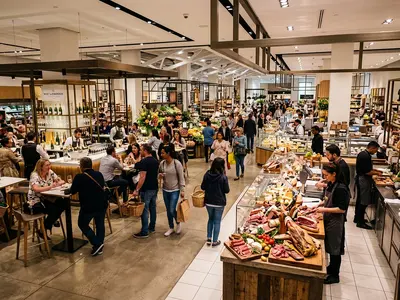
The lower ground floor houses one of London's finest food halls, stocking over 4,000 products from British cheesemakers, French patisseries and Japanese wagyu suppliers. A champagne bar and wine shop sit alongside counters serving fresh oysters and charcuterie. Upper floors move through designer fashion, contemporary brands, a sprawling shoe gallery and a technology department. The rooftop has been reinvented multiple times — recent incarnations have included a forest-themed restaurant and an open-air cinema.
Selfridges sits at the heart of one of London's busiest shopping districts. Marble Arch and the north-east corner of Hyde Park are a five-minute walk west, making it easy to combine retail with a stroll through the park. Bond Street, running south from the store, is home to Sotheby's auction house and dozens of luxury boutiques. The Wallace Collection — a free museum housing Old Master paintings and one of Europe's finest collections of arms and armour — is a 10-minute walk north on Manchester Square. Oxford Circus and Regent Street lie 8 minutes to the east.
Selfridges is free to enter and browse. Personal shopping appointments are complimentary, though restaurant and experience prices vary
The store opens at 10am Monday to Friday and is quietest in the first hour. By midday the ground floor becomes crowded, especially around the beauty and fragrance halls.
Most visitors enter from Oxford Street, but the quieter Duke Street entrance on the east side drops you straight into menswear and avoids the main-door crowds entirely.
Selfridges offers complimentary personal shopping appointments where a stylist curates a selection for you. Book online at least a week ahead — it is a genuinely useful service, not a hard sell.
The lower ground floor food hall sells beautifully packaged artisan chocolates, preserves and hampers. These make excellent souvenirs and are far more original than typical tourist gifts.
The Selfridges rooftop regularly hosts pop-up restaurants, cinemas and bars that change with the seasons. Check the website before visiting — some events require advance booking.

London Travel Writer · 12+ years covering UK attractions and tourism
Last reviewed: March 9, 2026