Old Bailey
The Central Criminal Court of England and Wales — watch live trials from the public gallery beneath the famous Lady Justice statue
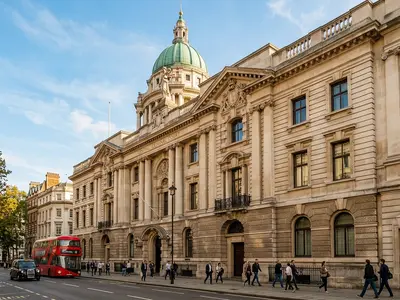
The Central Criminal Court of England and Wales — watch live trials from the public gallery beneath the famous Lady Justice statue
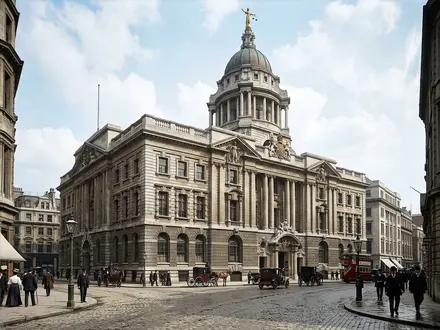
The Old Bailey is the most famous criminal court in the world. Built in 1907 on the site of Newgate Prison, the Central Criminal Court handles the most serious cases in England and Wales — and its public galleries let anyone watch barristers and judges at work.
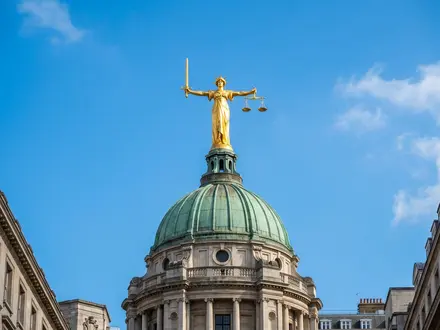
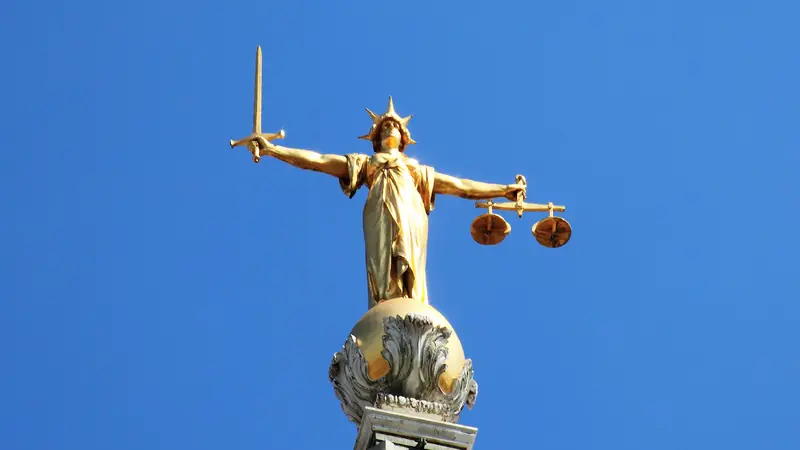
Above the dome stands the gilded Lady Justice, sword and scales in hand. Unlike most depictions she is not blindfolded — a detail Londoners read as meaning justice here is administered with eyes wide open.
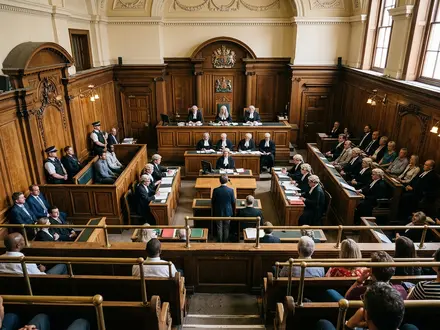
Sitting in the public gallery of the Old Bailey is one of London's most unexpectedly gripping experiences. The courts handle the most serious criminal cases in England and Wales — murder, terrorism, fraud and organised crime — and the atmosphere is intense. Barristers in wigs and gowns examine witnesses, judges intervene from the bench, and you watch it unfold in real time from the gallery above.
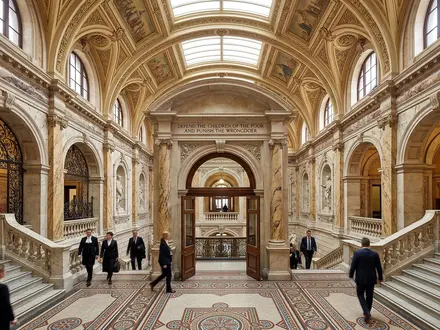
There are 18 courtrooms, split between the original Edwardian structure and a 1970s extension. Court 1 is where some of Britain's most notorious trials have taken place, including those of the Yorkshire Ripper and the Kray twins. Check the listings board in the entrance hall to see which cases are being heard.
The ground beneath the Old Bailey has a grim history. Newgate Prison stood here from 1188 until 1904, and for centuries it was London's most feared place of incarceration. Conditions were appalling and public executions outside the gates drew enormous crowds until the practice was abolished in 1868.
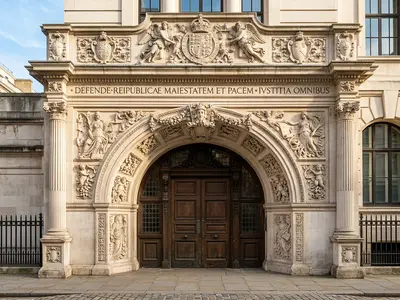
When Newgate was demolished, architect E.W. Mountford was commissioned to build a courthouse worthy of the site. Opened by King Edward VII in 1907, the grand Baroque building in Portland stone was designed to project the authority of English law. A major extension was added in the 1970s after an IRA car bomb damaged the building in 1973.
Anyone aged 14 or over can visit the public galleries. No booking is required — simply join the queue at the Warwick Passage entrance on the south side of the building. Security is airport-style: bags, phones, cameras and electronic devices must be left in the lockers provided. Only a notebook and pen may be taken inside.
High-profile trials can draw long queues, especially on opening day. For a shorter wait, arrive at 2pm when courts resume after lunch, or choose a quieter week when no major cases are listed. Court staff are helpful and will point you to a courtroom with proceedings under way.
Entry to the public galleries is completely free — no tickets or booking required, just turn up and queue
No phones, cameras, bags or electronic devices are allowed inside. There are lockers at the entrance, but they are small — travel light and leave valuables at your hotel.
Public gallery seats are limited and allocated on a first-come basis. For well-known trials, the queue can build from early morning. Less prominent cases rarely have a wait.
Courts break for lunch from 1pm to 2pm. The afternoon queue is almost always shorter than the morning one, and trials continue until around 4:30pm.
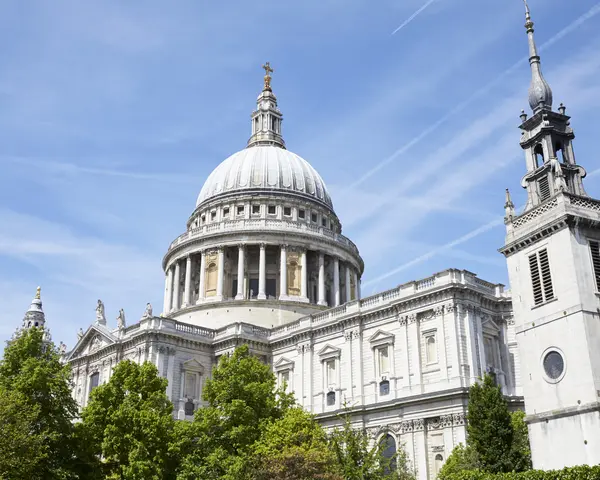
St Paul's Cathedral is a five-minute walk east along Newgate Street. Visit the cathedral in the morning and the Old Bailey after the lunch recess for a satisfying half-day in the City.
The daily court list is displayed in the entrance hall. If you want to follow a specific case, check legal news sites beforehand to see which courtroom it is being heard in.

London Travel Writer · 12+ years covering UK attractions and tourism
Last reviewed: March 5, 2026