At a Glance
| Feature | Kensington Palace | Buckingham Palace |
|---|---|---|
| Primary function | Royal residence and historic palace | Monarch's official HQ |
| Current residents | Prince and Princess of Wales, others | The King (officially) |
| Public access | Year-round | Summer only (July to September) |
| Managed by | Historic Royal Palaces | Royal Collection Trust |
| Built | 1605 (as Nottingham House) | 1703 (as Buckingham House) |
| Location | Kensington Gardens, W8 | The Mall, SW1 |
| Size | Modest by royal standards | 775 rooms |
| Changing the Guard | No | Yes |
Different Purposes
The most fundamental difference between Kensington Palace and Buckingham Palace is what they are used for. Buckingham Palace is the administrative heart of the monarchy. It is where the King holds audiences, hosts state banquets, receives foreign ambassadors and carries out the formal business of being head of state. The famous balcony overlooking The Mall is where the Royal Family appears during national celebrations.
Kensington Palace has a quieter, more residential character. It functions primarily as a home for working members of the Royal Family and as a visitor attraction managed by Historic Royal Palaces. There are no state banquets or formal audiences held at Kensington. Instead, it offers a more intimate glimpse into royal history through its exhibitions and preserved State Rooms.
Scale and Architecture
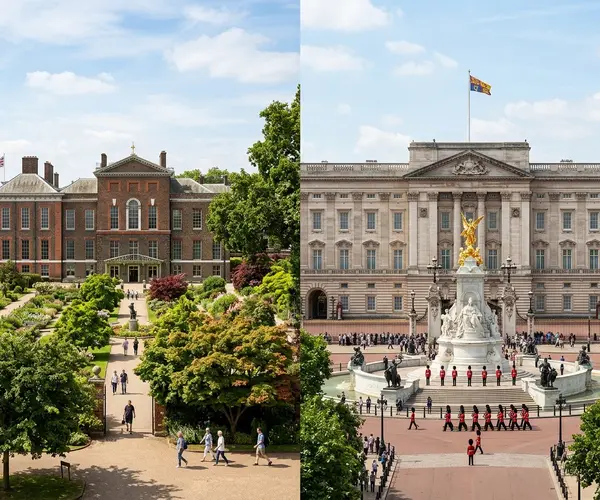
Buckingham Palace is significantly larger than Kensington Palace. With 775 rooms, including 19 State Rooms, 52 royal and guest bedrooms, 188 staff bedrooms, 92 offices and 78 bathrooms, it operates on a scale that Kensington cannot match. The building dominates the end of The Mall and presents a grand, imposing facade that was specifically designed to project royal authority.
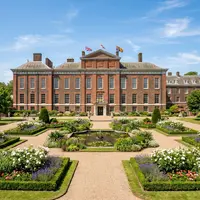
Kensington Palace is more restrained. Originally a Jacobean mansion purchased by William III in 1689, it was extended by Sir Christopher Wren but retains a domestic scale that feels approachable compared to Buckingham's grandeur. The palace sits within Kensington Gardens, partially screened by trees, and does not announce itself with the same architectural drama. It remains a working home for several members of the Royal Family, including the Prince and Princess of Wales.
Visiting Experience
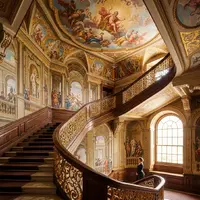
For visitors, the experiences are quite different. Kensington Palace is open year-round and offers a curated journey through historic State Rooms with exhibitions that change regularly. The palace tends to focus on personal stories of the royals who lived there, from Queen Victoria's childhood to the fashion and legacy of Princess Diana.
Buckingham Palace opens its State Rooms to the public only during the summer months, typically from late July to September, when the King is not in residence. The summer opening provides access to a circuit of lavishly decorated rooms, including the Throne Room and the Picture Gallery, showcasing works from the Royal Collection.
Location and Setting
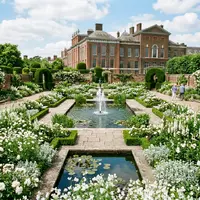
Kensington Palace sits on the western edge of Kensington Gardens, connected to Hyde Park. The setting is green, relatively quiet and feels removed from the bustle of central London despite being only a short walk from High Street Kensington. The palace gardens, including the Sunken Garden, are part of the visitor experience.
Buckingham Palace occupies a far more prominent position at the end of The Mall, facing the Victoria Memorial. It is surrounded by open ceremonial space rather than parkland, and the forecourt is the setting for the Changing the Guard ceremony that draws crowds throughout the year.
Which Should You Visit?
Both palaces offer genuinely different experiences. Kensington Palace suits visitors interested in personal royal history, intimate period rooms and a peaceful garden setting. Buckingham Palace appeals to those who want to see the grandeur of state ceremonial rooms and understand how the monarchy operates at its most formal level. If your schedule allows, visiting both gives a well-rounded picture of how the Royal Family lives and works across different residences.