Fulham Palace
The Bishops of London's riverside residence for over 1,300 years — free museum, botanic garden and Tudor courtyard in Fulham
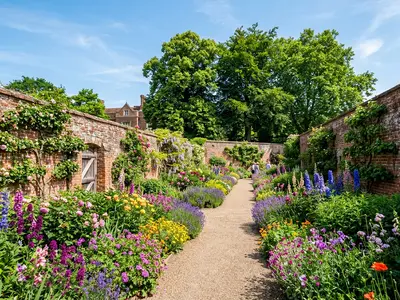
The Bishops of London's riverside residence for over 1,300 years — free museum, botanic garden and Tudor courtyard in Fulham
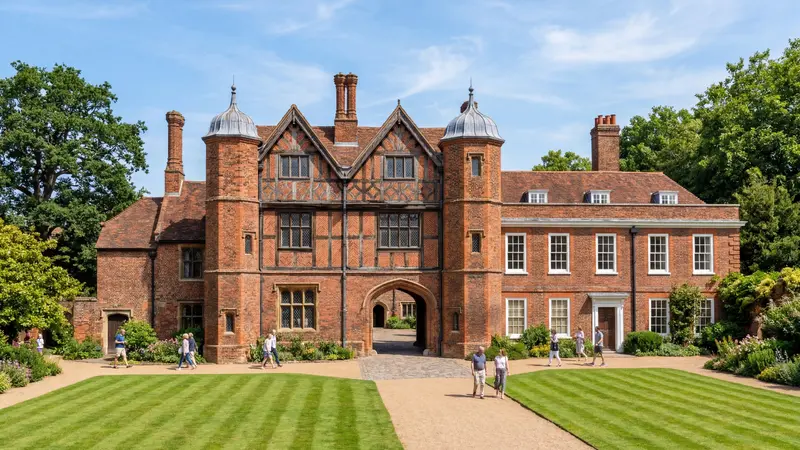
Fulham Palace served as the country home of the Bishops of London for over 1,300 years, from around 700 AD until 1973. The site beside the Thames in west London holds a Tudor courtyard, Georgian additions, a restored museum and 13 acres of gardens that include the second oldest botanic garden in England.
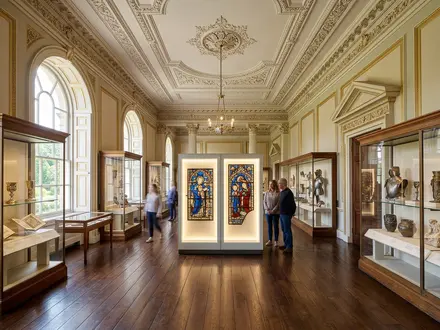
Visitors can explore the museum's displays of medieval stained glass, archaeological finds and artefacts linked to the bishops, then walk through the walled garden where Bishop Compton first grew North American plant species in the 1680s. Entry to the house and grounds is free.
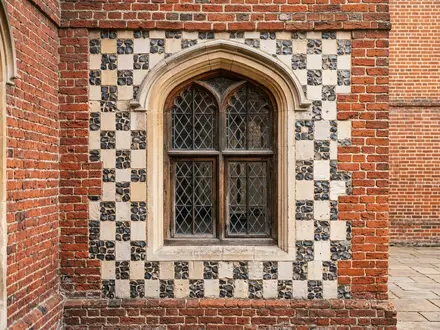
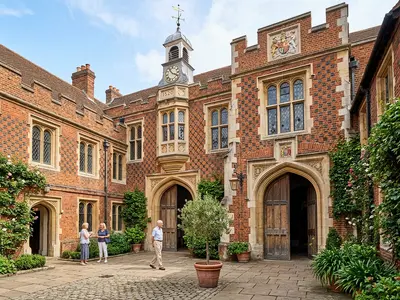
A house has stood on this riverside site since at least 704 AD, when Bishop Waldhere of London acquired the manor of Fulham. For the next 1,300 years the estate served as the country residence of successive Bishops of London, evolving from a modest medieval manor into a substantial palace with Tudor, Stuart and Georgian additions. The oldest surviving fabric dates from the early sixteenth century, when Bishop Fitzjames built the red-brick courtyard that remains the architectural centrepiece today.
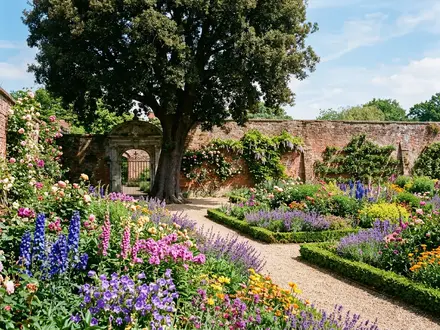
The palace's most transformative resident was Bishop Henry Compton, who held the see from 1675 to 1713. A passionate horticulturist, Compton commissioned the missionary John Banister to send seeds and cuttings from Virginia, establishing what became the second oldest botanic garden in England. Species including sweetbay magnolia and the box elder were cultivated in England for the first time in the Fulham Palace grounds.
The last bishop to live here departed in 1973, and the following year the property was leased to Hammersmith Council. A major three-phase restoration project, completed in 2019, brought the palace back to life as a museum, arts venue and public garden.
The museum occupies the restored east wing and tells the story of the palace through medieval stained glass, the ornate Bishop's Cope, carved stonework fragments and archaeological finds uncovered during the restoration. The Porteus Library and Bishop's dining room retain their Georgian plasterwork and period furniture, giving a sense of how the bishops lived.
Outside, the walled garden is the highlight. The Compton beds showcase plant varieties first grown here over three centuries ago, and an ancient evergreen oak — estimated at more than 450 years old — dominates the eastern section. The broader grounds extend to 13 acres of lawns, specimen trees and meadow planting, all within Bishop's Park and bordering the Thames Path.
The palace cafe, open daily from 9:30am, occupies a bright space overlooking the courtyard and serves breakfast, lunch and afternoon tea. It is a popular stop for walkers and cyclists following the Thames Path.
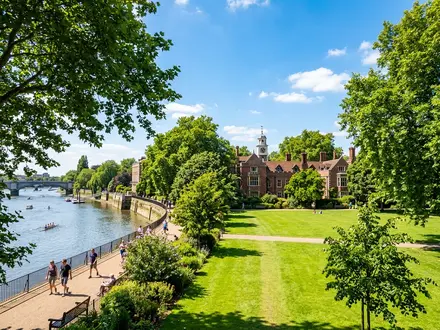
Bishop's Park itself is worth exploring, with a lake, ornamental gardens and riverside promenades. Fulham Football Club's Craven Cottage ground sits just a few minutes' walk along the Thames, and fans of architecture will enjoy the distinctive Johnny Haynes Stand designed by Archibald Leitch.
Crossing Putney Bridge brings you to Putney and the southern end of the Thames Path towards Barnes, the London Wetland Centre and Kew Gardens. Heading east along the river leads to Hurlingham Park and on towards Chelsea.
Admission to the house and garden is free, but visitors to the museum must book a free ticket in advance online.
Although entry is free, museum tickets must be booked in advance through the Fulham Palace website. Walk-ins are admitted only if capacity allows.
The walled garden closes at 3:45pm, earlier than the museum. Head there first to see the Compton beds and the ancient evergreen oak before exploring the house.
Walk east along the Thames Path from Putney Bridge through Bishop's Park to reach the palace. The flat riverside route takes around ten minutes and is fully accessible.
Some rooms and garden areas close for weddings and corporate events, especially at weekends. Check the website before visiting to avoid disappointment.
The 13-acre grounds have plenty of benches and open lawn space. Pack a picnic to enjoy beside the river or under the mature trees in Bishop's Park.

London Travel Writer · 12+ years covering UK attractions and tourism
Last reviewed: March 9, 2026