Croydon Clocktower
Victorian clocktower turned cultural hub — home to a free museum, Chinese ceramics gallery and Croydon's central library
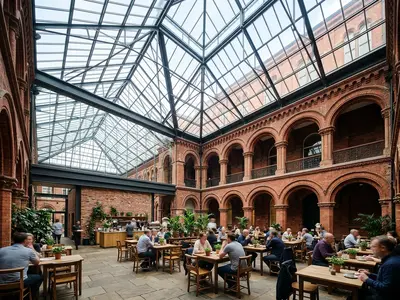
Victorian clocktower turned cultural hub — home to a free museum, Chinese ceramics gallery and Croydon's central library
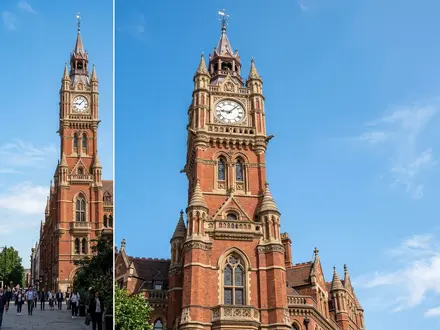
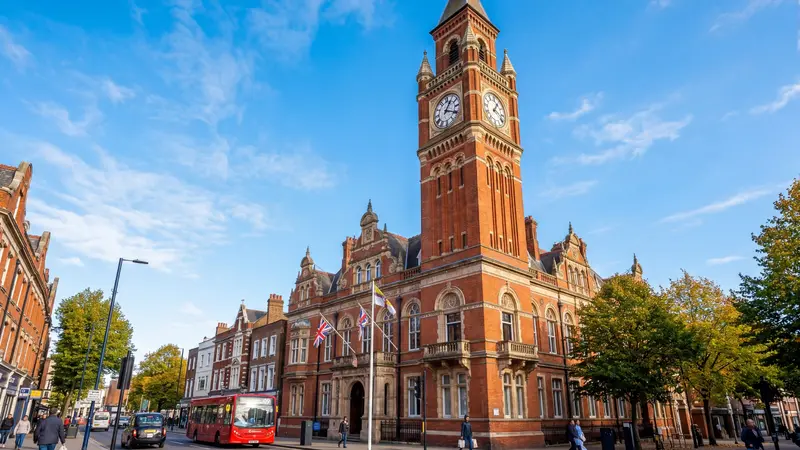
Croydon Clocktower sits beneath a 54-metre Victorian tower that has marked the centre of Croydon since 1896. Reopened in 1994 after a striking modern conversion by architect Mick Timpson, it now houses a free museum, a gallery of Chinese ceramics spanning 4,500 years and south London's busiest public library.
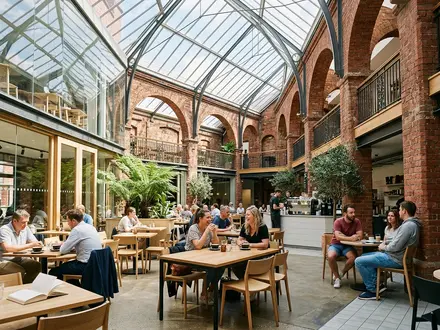
Visitors can trace the borough's story from Roman settlement to the present day in the Museum of Croydon, examine rare Tang dynasty tomb figures in the Riesco Gallery, or simply sit with a coffee in the glazed atrium where Victorian brickwork meets contemporary glass and steel.
Croydon's Town Hall was completed in 1896, designed by Charles Henman in a grand red-brick style with a square clocktower standing 54 metres tall. The Prince and Princess of Wales opened the building on 19 May that year, and its clock and bells — cast by the local firm Gillett and Johnston — have marked time over the town centre ever since. For most of the 20th century, the building served as the seat of local government.
By the late 1980s, council functions had outgrown the Victorian halls. Rather than demolish or sell, Croydon commissioned architect Mick Timpson to convert the surplus spaces into a public arts and museum complex. His design threaded a modern glazed atrium through the original structure, using matching red brick and Portland stone to blend old and new. Queen Elizabeth II opened the Clocktower in its new form in 1994.
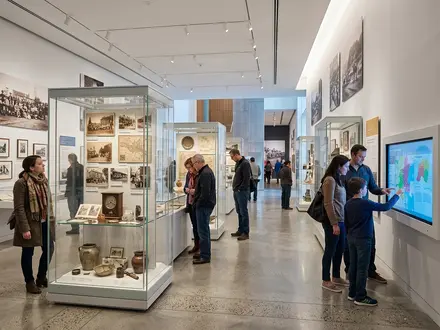
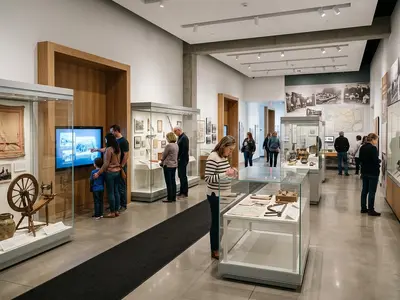
The Museum of Croydon occupies the upper floors and traces the borough's history from 1800 to the present. Visitors choose between two entrances — labelled "Then" and "Now" — and follow the story in either direction through photographs, personal testimonies and interactive touchscreens. A permanent display commemorates Samuel Coleridge-Taylor, the composer of African and English heritage who lived in Croydon and premiered his celebrated Hiawatha trilogy in the town.
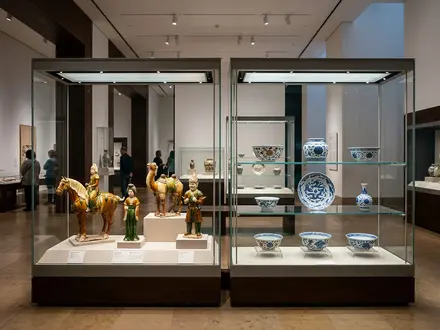
Downstairs, the Riesco Gallery displays over 200 Chinese ceramics spanning 4,500 years. Raymond Riesco, a local businessman, collected the pieces throughout the mid-20th century without ever travelling to China, and donated the lot to the borough. The collection includes Tang dynasty tomb figures, Song celadon ware and finely painted Ming bowls. Croydon Central Library, one of the largest public libraries in south London, fills the rest of the building.
The Clocktower sits on Katharine Street in the heart of Croydon's town centre, with shops, restaurants and cafes within a few minutes' walk. Surrey Street Market, one of the oldest daily street markets in London with a royal charter dating to 1276, runs just around the corner. Fairfield Halls, Croydon's performing arts venue, is a ten-minute walk east past East Croydon station. The landscaped grounds of Park Hill recreation area are also close by for a post-visit stroll.
All areas of Croydon Clocktower are free to enter, including the museum, gallery and library. No booking is required
Head upstairs to the museum first, as it is quieter in the morning before school groups arrive. The gallery is small enough to see in under an hour.
The Chinese ceramics collection on the lower ground floor is easy to miss. Follow signs past the library entrance — the Tang dynasty tomb figures alone are worth the detour.
The market runs Monday to Saturday just around the corner. Pick up street food for lunch before or after your Clocktower visit — the stalls are busiest on Saturdays.
George Street tram stop is the closest, barely a two-minute walk. The Tramlink from Wimbledon passes through parkland and gives a good overview of south London suburbs.
The Clocktower hosts rotating art and photography exhibitions in addition to its permanent displays. Check the Croydon Council website before visiting for current shows.

London Travel Writer · 12+ years covering UK attractions and tourism
Last reviewed: June 2, 2026