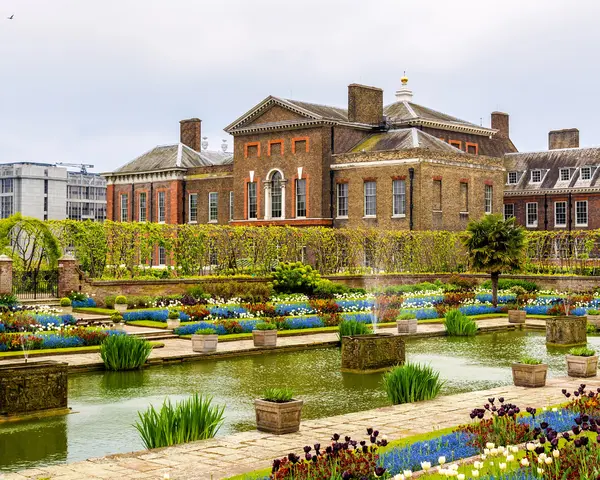
Charlton House
London's only complete Jacobean mansion — a 1612 gem with ornate plasterwork, walled gardens and a 400-year-old mulberry tree
London's only complete Jacobean mansion — a 1612 gem with ornate plasterwork, walled gardens and a 400-year-old mulberry tree
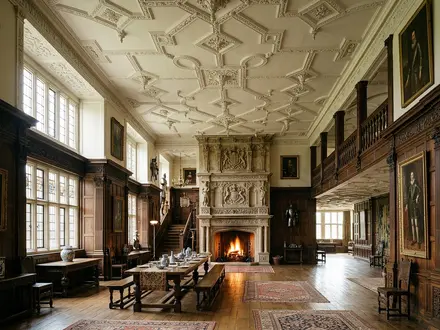
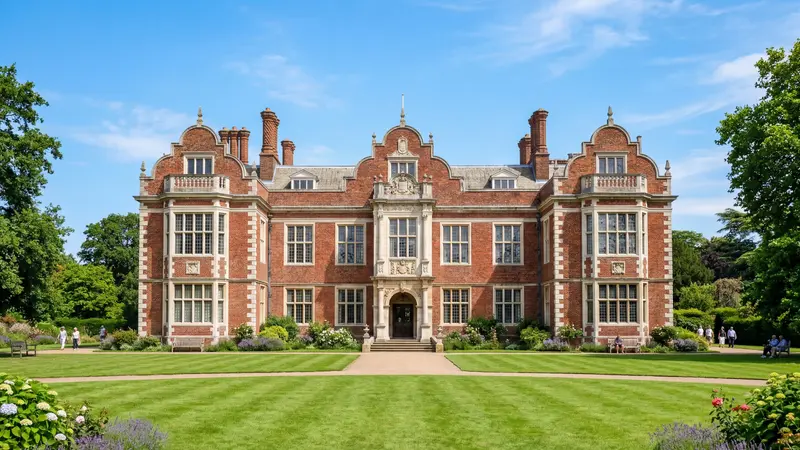
Built between 1607 and 1612 for Sir Adam Newton, tutor to the eldest son of King James I, Charlton House is the only complete Jacobean mansion surviving in Greater London. Architectural historian Nikolaus Pevsner described its interiors as containing "the most exuberant decoration" of any Jacobean house in England.
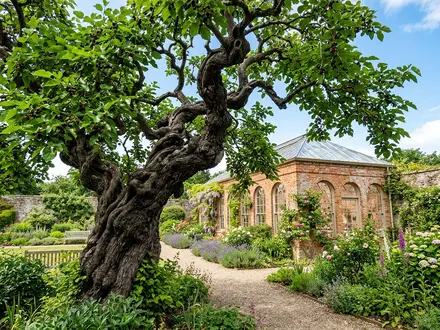
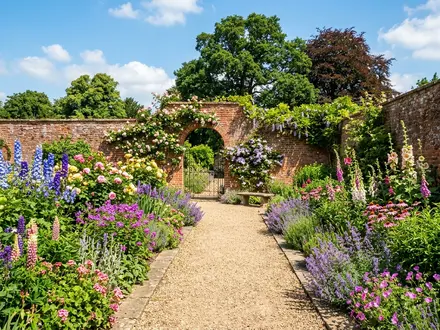
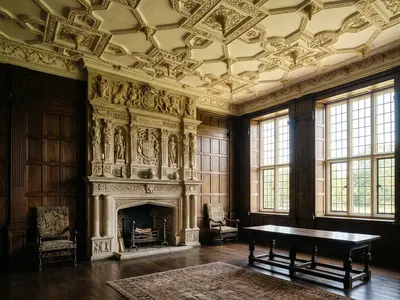
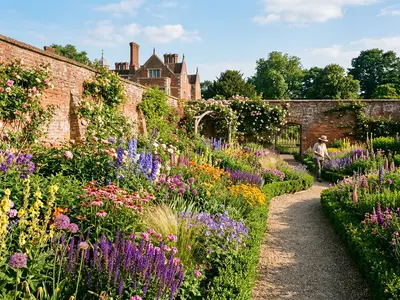
Visitors can explore original oak staircases, ornate strapwork ceilings and elaborate carved fireplaces before stepping into walled gardens redesigned with perennial meadow planting. Behind the orangery stands a mulberry tree thought to be over four centuries old, one of the oldest in the country.
Charlton House was commissioned in 1607 by Sir Adam Newton, a Scottish scholar who served as tutor to Prince Henry, the eldest son of King James I. Newton chose an elevated site overlooking the Thames, and the diarist John Evelyn later described the view as "one of the most noble in the world, for city, river, ships, meadows, hills, woods and all other amenities." The house was completed in 1612, though Prince Henry died that same year aged just 18 and never visited.
The design is often attributed to John Thorpe, one of England's earliest professional architects. Charlton House represents a pivotal moment in English domestic architecture, bridging the sprawling asymmetry of Tudor manor houses and the more compact, symmetrical forms that would define the later Stuart period. It passed through several families before becoming a municipal building in 1925, and since 2014 has been managed by the Royal Greenwich Heritage Trust.
The interior is the main draw. Original strapwork plasterwork ceilings — among the most elaborate surviving in any English house — decorate the principal rooms, alongside carved stone fireplaces and oak panelling. A free audio guide walks visitors through the Long Gallery, the Grand Salon and other key spaces, explaining the decorative motifs and the lives of the families who lived here.
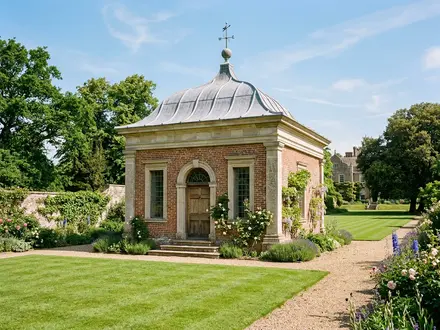
Outside, the walled gardens offer a peaceful contrast. Redesigned in 2003 by Andrew Fisher Tomlin, the former kitchen garden now features perennial meadow planting around three ancient prunus trees. The summer house to the north-west, dating from around 1630 and attributed to Inigo Jones, is a handsome brick pavilion with Tuscan pilasters. Behind the orangery, the heritage mulberry tree — planted when the house was built — remains one of the oldest black mulberries in England.
Charlton House sits within easy reach of several other attractions. Charlton Park, directly adjacent, provides open green space for walking. The Royal Observatory and the National Maritime Museum in Greenwich town centre are around 25 minutes on foot or a short bus ride away. The Thames Barrier and its information centre lie to the east, reachable by bus along Woolwich Road. For refreshments, the house itself has a community cafe on the ground floor serving drinks and light meals during opening hours.
Charlton House is free to enter, including the gardens and audio guide. Some special events and exhibitions may carry a separate charge
Principal rooms are sometimes closed for private hire and community events. Check the Royal Greenwich Heritage Trust website or phone ahead to confirm which rooms are open.
The audio guide covers the history of each major room and its decorative features. It is available at the reception desk and adds real depth to a self-guided visit.
The heritage mulberry behind the orangery produces fruit in August and September. Summer is also the best time to see the walled gardens in full bloom.
Charlton House is a 25-minute walk or short bus ride from the Royal Observatory and Maritime Museum. Visit the house in the morning and head to Greenwich for the afternoon.
The Jacobean plasterwork ceilings are among the finest in England but easy to miss if you are focused on the fireplaces and panelling. The strapwork patterns reward close attention.

London Travel Writer · 12+ years covering UK attractions and tourism
Last reviewed: June 2, 2026