Battersea Power Station
London's iconic Art Deco power station — reborn as a vibrant riverside destination for shopping, dining and panoramic views
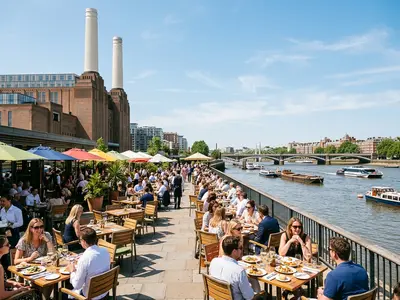
London's iconic Art Deco power station — reborn as a vibrant riverside destination for shopping, dining and panoramic views
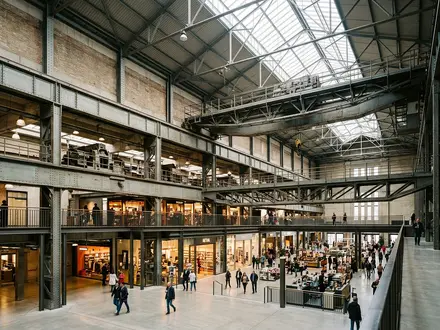
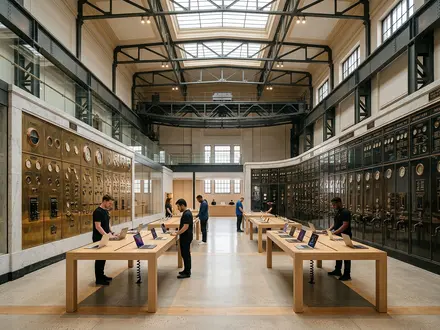
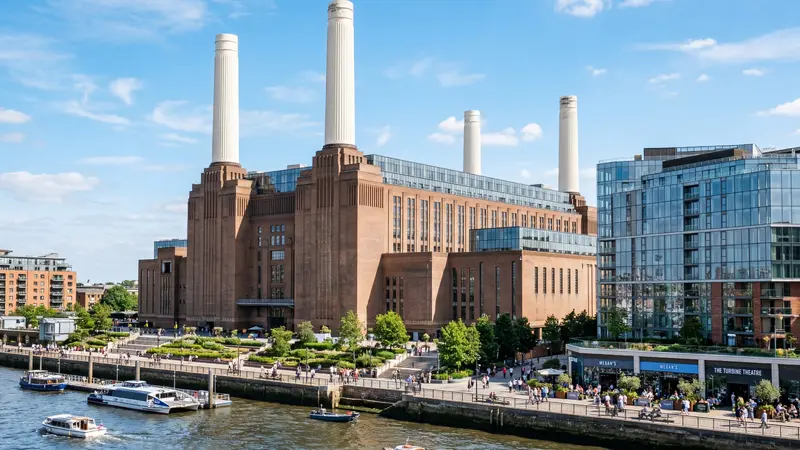
Battersea Power Station is one of the world's largest brick buildings, its four white chimneys a defining feature of the London skyline since the 1930s. After decades of dereliction it reopened in 2022 as a mixed-use destination with over 100 shops, bars, restaurants and cultural spaces spread across the restored Turbine Halls.
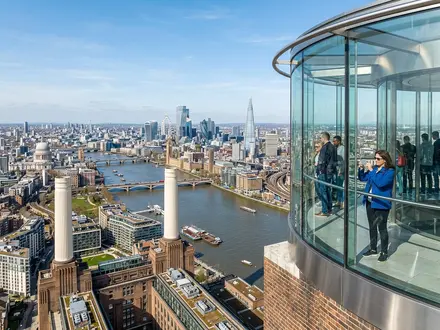
The centrepiece is Lift 109, a glass elevator that rises through the northwest chimney to a viewing platform 109 metres above the Thames. General entry to the power station is free, making it one of London's best new places to wander, eat and explore without spending a penny on admission.
Battersea Power Station was designed by Sir Giles Gilbert Scott and J Theo Halliday, with Battersea A built between 1929 and 1935 and Battersea B completed in 1955. Together they formed one of the largest brick buildings in Europe and at peak output generated roughly a fifth of London's electricity. The lavish Art Deco interiors, with Italian marble floors and polished steel fittings, reflected a deliberate effort to make industrial architecture beautiful.
Battersea A was decommissioned in 1975 and Battersea B followed in 1983. The building received Grade II* listed status in 1980, but decades of failed redevelopment schemes left it an empty shell. A Malaysian-led consortium finally began the current restoration in 2014, painstakingly rebuilding all four chimneys brick by brick to their original specifications.
The power station reopened to the public in October 2022 as a mixed-use destination with homes, offices, shops and restaurants set within the restored original structure.
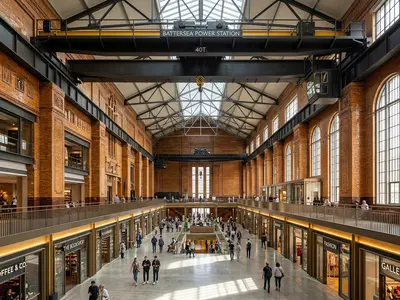
The main draw is the building itself. Turbine Hall A retains its Art Deco grandeur with original crane gantries, geometric brickwork and soaring ceilings, while Turbine Hall B offers a more industrial counterpart from the 1950s. Both halls host rotating exhibitions and seasonal events throughout the year.
Lift 109 is the headline experience. The glass elevator climbs through the dramatically lit interior of the northwest chimney before emerging at the top, 109 metres above the Thames. On a clear day the viewing platform offers panoramic views stretching from the City to the Surrey Hills. Tickets should be booked in advance as slots sell out quickly.
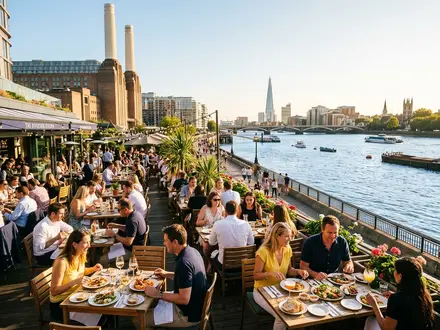
At ground level the riverside terrace runs the length of the building, lined with restaurants and cafes facing Chelsea across the water. Circus West Village, the neighbouring pedestrianised quarter, adds independent shops, a cinema, a gym and regular street food markets.
Battersea Park is a five-minute walk east, with its boating lake, sub-tropical gardens and the Peace Pagoda on the riverbank. The park connects to Chelsea Bridge, offering views back toward the power station's four chimneys.
The new US Embassy stands directly south on Nine Elms Lane. Heading north across the Thames, Chelsea Physic Garden is a fifteen-minute walk via Albert Bridge — one of London's prettiest river crossings and well worth the detour.
Vauxhall is a twenty-minute riverside walk upstream, passing the developing Nine Elms district with its weekend flower market and New Covent Garden Market.
Entry to the power station, shops and restaurants is free. Lift 109 and guided tours require advance booking.
Time slots sell out fast, especially at weekends and sunset. Book online at least a few days ahead to secure your preferred time.
The power station is quietest on weekday mornings just after opening. You can explore the Turbine Halls and riverside terrace in relative peace before the lunch crowds arrive.
Battersea Power Station has its own Zone 1 Tube station on the Northern line. It is the most direct route and drops you two minutes from the entrance.
The west-facing terrace catches the evening light beautifully. Grab a drink from one of the bars and watch the sun set behind Chelsea Bridge.
The park is a five-minute walk east and makes a perfect pairing. See the Peace Pagoda, stroll the boating lake, then loop back for dinner at the power station.

London Travel Writer · 12+ years covering UK attractions and tourism
Last reviewed: March 9, 2026