The Original Chamber
The Chamber of Horrors was one of the most famous features of Madame Tussauds London for nearly two centuries. It began in the 1830s as the "Separate Room," a section of Marie Tussaud's exhibition that displayed the death masks she had made during the French Revolution alongside wax figures of notorious criminals and recreations of infamous murder scenes.
The name "Chamber of Horrors" was coined by Punch magazine in 1846, and Marie Tussaud adopted it enthusiastically. The rebranding was a masterstroke. The name was memorable, slightly transgressive and perfectly suited to Victorian appetites for sensational entertainment. It became one of the main draws of the museum, attracting visitors who might not otherwise have been interested in wax portraiture.
What Was Inside
The Chamber's contents evolved over its long history, but certain elements remained consistent. The French Revolution death masks, cast from the severed heads of Louis XVI, Marie Antoinette, Robespierre and others, were always central to the display. These were genuine historical artefacts, created by Marie Tussaud herself under extraordinary circumstances, and they gave the Chamber an authenticity that no recreation could match.
Alongside the death masks, the Chamber displayed wax figures of murderers, thieves and other criminals. The Victorians were fascinated by true crime long before the modern podcast era, and Madame Tussauds supplied that appetite with detailed recreations of notorious cases. Figures were updated as new crimes captured public attention, and the arrival of a new murderer in the Chamber was treated as a newsworthy event.
Execution scenes and torture devices were also part of the display. These ranged from historically accurate recreations of medieval punishments to more sensationalised set pieces designed primarily to shock. The Chamber occupied a space between education and entertainment that was characteristic of Victorian popular culture.
Why It Closed
By the early 21st century, the Chamber of Horrors was showing its age. The static wax displays that had thrilled Victorian and Edwardian audiences felt increasingly outdated in an era of immersive entertainment, virtual reality and sophisticated horror films. Visitor feedback suggested that younger audiences in particular found the Chamber less frightening and less engaging than the attraction's newer interactive zones.
In 2016, Madame Tussauds closed the Chamber of Horrors and replaced it with a live-actor scare experience. The decision was controversial among long-time visitors and historians who valued the Chamber's heritage, but the attraction's operators argued that the new format better served modern audiences.
What Replaced It
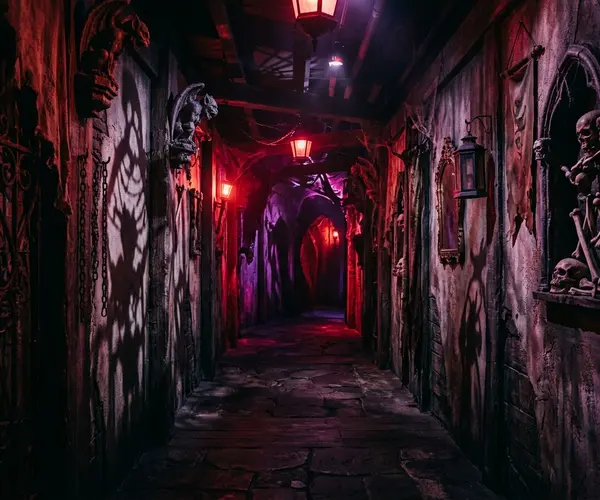
The replacement experience uses live actors, theatrical lighting, sound design and special effects to create a horror experience that responds to visitors in real time. Unlike the old Chamber, where you walked past static figures at your own pace, the new format places you inside a scenario where performers interact directly with you, following scripted sequences designed to build tension and deliver frights.
The format and theme of the scare experience has changed several times since 2016. It is one of many zones to explore; our guide to how long Madame Tussauds takes covers what to expect across the full visit. The attraction has experimented with different horror concepts, updating the experience to keep it fresh for repeat visitors. The core principle remains the same as the original Chamber: using the controlled environment of the museum to provide thrills and a sense of danger within a safe setting.
The Horror Tradition
Whether you consider the current scare experience a worthy successor to the Chamber of Horrors depends largely on what you valued about the original. If you appreciated the historical artefacts, the connection to Marie Tussaud's personal history and the Victorian atmosphere of the old Chamber, the modern replacement will feel like a different thing entirely.
If you are primarily interested in being frightened, the live-actor format is objectively more effective at producing genuine scares than static wax figures ever were. The old Chamber relied on atmosphere and imagination. The new experience relies on surprise, confrontation and theatrical technique.
Either way, the tradition of horror entertainment at Madame Tussauds continues. Marie Tussaud herself understood that the macabre and the fascinating are closely linked, and that willingness to explore the darker side of human nature remains part of the attraction's identity, even if the methods have changed.