What Counts as a West End Theatre?
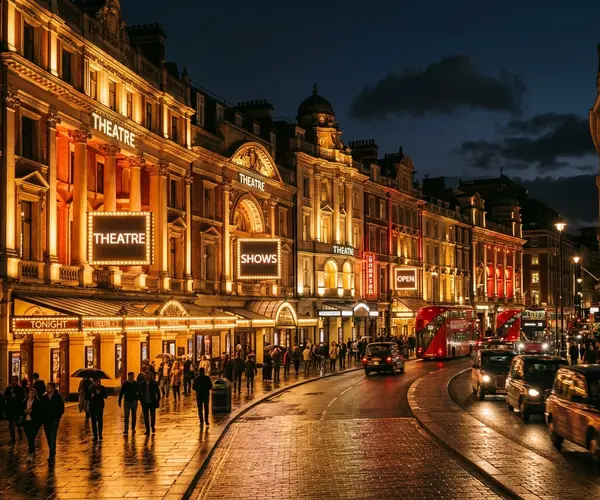
The term "West End theatre" has a specific meaning. It refers to the 39 commercial theatres located within the area historically known as Theatreland, roughly bounded by Shaftesbury Avenue to the north, the Strand to the south, Regent Street to the west and Kingsway to the east. A theatre outside this zone, no matter how large or prestigious, is not technically a West End venue.
The Society of London Theatre (SOLT) maintains the official list of West End theatres. Membership of SOLT is the marker that separates a West End theatre from an Off-West End or fringe venue. The distinction matters commercially because West End shows carry a particular reputation and draw audiences specifically because of the Theatreland association.
Where They Are Concentrated
The highest concentration of theatres sits along and around Shaftesbury Avenue, which has been the heart of London's theatre district since the late 19th century. Six theatres line the avenue itself, including the Lyric, the Apollo, the Gielgud and the Sondheim. The surrounding streets add many more within a short walk.
The Strand and its side streets form a second cluster, with venues including the Adelphi, the Vaudeville and the Savoy Theatre. Covent Garden provides a third hub, anchored by the Theatre Royal Drury Lane and the Royal Opera House. For a full overview of what to expect in this district, see our guide to West End theatres.
Shaftesbury Avenue
Shaftesbury Avenue was built in the 1880s and quickly became synonymous with London theatre. The road was cut through what had been some of London's most overcrowded slums, and developers saw an opportunity to build entertainment venues along the new thoroughfare. Within a decade, several major theatres had opened, and the avenue's identity was established.
How the Number Has Changed
The number of West End theatres has fluctuated over the decades. During the early 20th century, London had even more theatres than it does today, but some were converted to cinemas, demolished or repurposed. The Saville Theatre on Shaftesbury Avenue, for example, became a cinema in the 1970s and is now an Odeon.
In recent years the trend has reversed slightly. The refurbishment of older venues and the occasional addition of new spaces have kept the count stable. The @sohoplace theatre, which opened in 2022, is the first newly built West End theatre in 50 years, bringing the total to its current figure.
Size and Capacity
West End theatres vary enormously in size. The London Palladium seats over 2,200 people, making it one of the largest. At the other end of the scale, the Ambassadors Theatre holds just 444 seats. The Donmar Warehouse, technically an Off-West End venue despite its prestige, holds only 251.
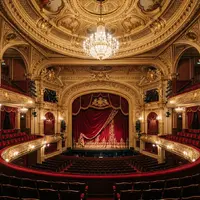
Most West End theatres were built in the Victorian or Edwardian era and share certain architectural features. Ornate plasterwork, tiered balconies, velvet seating and gilded proscenium arches are common. Our guide to the best West End theatres highlights the venues most worth visiting for their architecture and atmosphere. Many are listed buildings, meaning their interiors are protected and cannot be significantly altered.
Why the Number Matters
The 39-theatre count gives London one of the highest concentrations of professional theatres of any city in the world. On any given evening, tens of thousands of people are watching live performances within a relatively small area of central London. This density is part of what makes the West End a global destination for theatre, alongside Broadway in New York.