The World's Greatest Classical Season
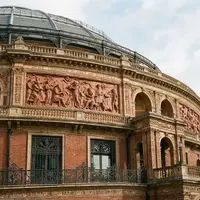
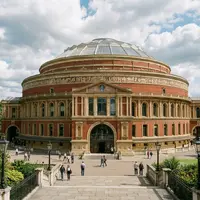
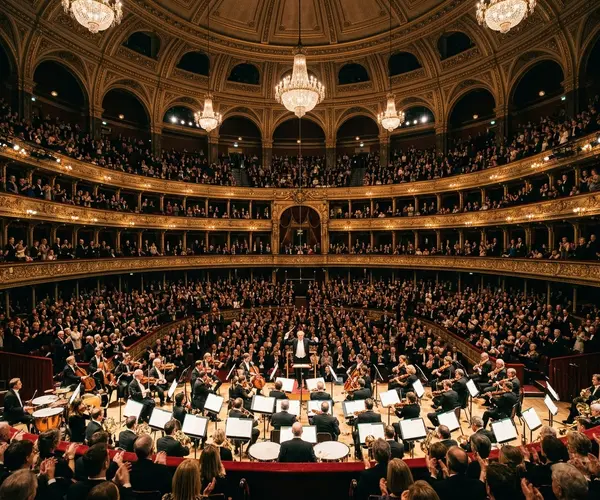
The BBC Proms, formally the Henry Wood Promenade Concerts, transforms the Royal Albert Hall every summer into the home of the world's largest and most democratic classical music festival. From mid-July to mid-September, the hall hosts concerts almost every evening, featuring orchestras, soloists, and ensembles from around the world.
The festival was founded in 1895 by the impresario Robert Newman and the conductor Sir Henry Wood. Their aim was to make classical music accessible to a wider audience by offering affordable standing tickets and creating an informal atmosphere. That founding principle endures today. Promming tickets, which allow you to stand in the arena or gallery, remain available at a fraction of the cost of seated tickets.
What Makes It Special
The Proms are distinctive for several reasons. The programming is adventurous, mixing established masterworks with contemporary compositions and world premieres. In a single week you might hear a Beethoven symphony, a newly commissioned piece by a living composer, a late-night jazz set, and a family-friendly matinee.
The atmosphere is unlike any other classical concert series. The standing audience, known as Prommers, creates an energy that is closer to a live gig than a formal concert. Regular Prommers often queue for hours before doors open, and many attend dozens of concerts throughout the season. There is a genuine community spirit among them.
The Last Night
The Last Night of the Proms is the most famous concert of the season and one of the most recognisable musical events in British culture. It takes place on the final Saturday of the festival and follows a semi-formal programme that culminates in a sequence of patriotic and popular pieces.
The audience waves flags, sings along, and joins in with traditions that have built up over decades. "Land of Hope and Glory," "Rule, Britannia!" and "Jerusalem" are all part of the ritual. The conductor's speech is a highlight, often witty and sometimes moving. The Last Night is broadcast live on BBC television and radio, with outdoor screenings in parks across the country and coverage reaching millions of viewers worldwide.
A History of Innovation
The Proms have always been about pushing boundaries. Sir Henry Wood introduced British audiences to works by Debussy, Strauss, and Schoenberg at a time when concert programming was far more conservative. He also championed the practice of having orchestral players stand to acknowledge applause, something we now take for granted.
In 1927, the BBC took over the running of the Proms, ensuring the festival's long-term financial stability and giving it access to the BBC's orchestras and broadcasting capabilities. During the Second World War, when the Queen's Hall (the original venue) was destroyed by bombing in 1941, the Proms moved to the Royal Albert Hall, where they have remained ever since.
Going to the Proms
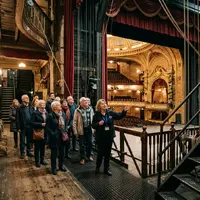
Attending a Prom is one of the finest musical experiences London has to offer. The combination of world-class performers, an iconic venue, and an audience that genuinely loves music creates something that is hard to replicate elsewhere. Whether you are a regular concert-goer or someone who has never been to a classical performance, the Proms are designed to welcome you. Outside the concert season, you can take a guided tour of the Royal Albert Hall to explore the auditorium and backstage areas.
Promming tickets go on sale on the day of each concert and are available on a first-come basis. Arriving early improves your chances, particularly for popular concerts. The arena, directly in front of the stage, offers some of the best acoustics in the building and a sense of proximity to the performers that seated ticket holders often envy.