The Oldest Occupied Castle
Windsor Castle holds the distinction of being the oldest and largest occupied castle in the world. William the Conqueror chose this site around 1070, just a few years after the Norman Conquest, because the elevated position above the Thames gave strong defensive advantages and it sat within a day's march of the Tower of London.
The original structure was a wooden motte-and-bailey fortification, a raised earthen mound topped with a wooden keep, surrounded by an enclosed courtyard. It was practical rather than grand, built to project Norman authority over the surrounding Saxon population.
What makes Windsor's claim remarkable is not simply its age but the fact that it has been continuously occupied as a royal residence ever since. Other castles around the world are older in terms of their original construction, but they survive only as ruins or archaeological sites. Windsor is still a working home.
How It Compares to Other Ancient Castles
Several fortifications around the world predate Windsor. The Citadel of Aleppo in Syria has foundations that date back thousands of years, and various hillforts across Europe were fortified long before the Norman period. Prague Castle, often cited as the largest ancient castle, has origins in the 9th century.
However, the key word is "occupied." Prague Castle is largely an administrative and ceremonial complex rather than a residence in the traditional sense. The Citadel of Aleppo suffered devastating damage during the Syrian Civil War. Many of the world's oldest fortifications have been abandoned, rebuilt from scratch, or converted to entirely different uses.
Windsor stands apart because the line of occupation is unbroken. The same site, the same walls (albeit expanded and rebuilt over centuries), and the same function as a royal residence have persisted since the 11th century.
Nearly 1,000 Years of Building
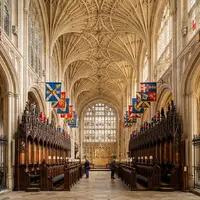
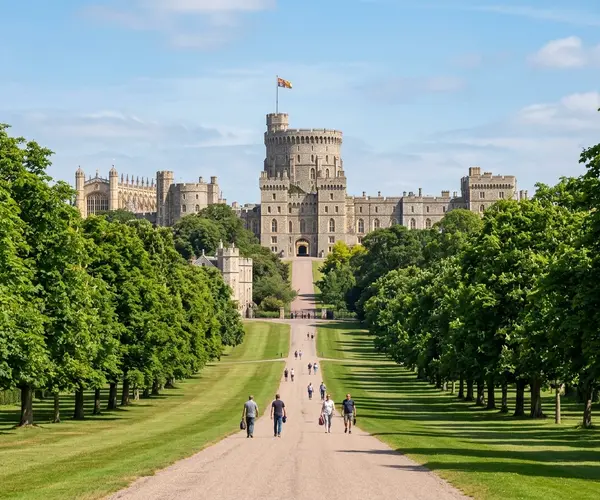
The Windsor Castle visitors see today bears little resemblance to William's wooden fort. Henry II replaced the wooden keep with the stone Round Tower in the 1170s. Edward III, who was born at Windsor, spent enormous sums transforming it into a Gothic palace in the 14th century. He founded the Order of the Garter here in 1348, establishing a chivalric tradition that continues today.
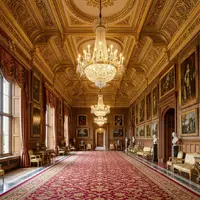
Charles II remodelled the State Apartments in the 1670s in a baroque style intended to rival Versailles. George IV commissioned the architect Jeffry Wyatville to undertake a massive Gothic renovation in the 1820s, raising the height of the Round Tower and giving the castle much of the romantic silhouette it has today.
After the devastating fire of 1992, which destroyed or damaged 115 rooms, a painstaking five-year restoration returned the damaged areas to their former state. Some rooms were restored exactly as they had been, while others were redesigned in a sympathetic Gothic style.
Why Continuous Occupation Matters
A castle that has been lived in for nearly a millennium carries its history differently from one that has been preserved as a monument. Windsor's rooms have been redecorated, its walls rebuilt, its purpose adapted, but the thread of habitation has never been cut. The Round Tower still stands on the same motte that William's men raised in the 11th century.
That continuity is what separates Windsor from every other castle in the world and makes it genuinely unique among the historic buildings of Europe.