A Century of Iconic Moments
Wembley Stadium's fame stretches back over a century. The original stadium opened in 1923 and immediately made history when an estimated 200,000 people turned up for the first FA Cup final, far exceeding the 127,000 capacity. A lone police officer on a white horse helped restore order, giving the match its legendary nickname: the White Horse Final.
The 1966 World Cup Final
The defining moment in Wembley's history came on 30 July 1966, when England beat West Germany 4–2 in the World Cup final. Geoff Hurst's hat-trick, the controversial "did it cross the line?" goal, and Kenneth Wolstenholme's commentary, "They think it's all over... it is now!", are woven into English sporting folklore.
Live Aid and Music History
On 13 July 1985, Wembley hosted Live Aid, the globally televised benefit concert organised by Bob Geldof. Queen's performance that day is regularly voted the greatest live set of all time. The stadium has since hosted residencies and one-off shows from virtually every major act in music.
The New Wembley
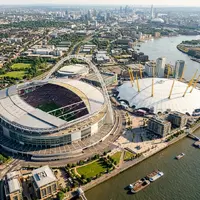
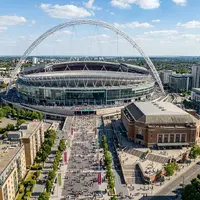
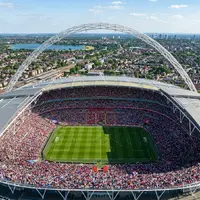
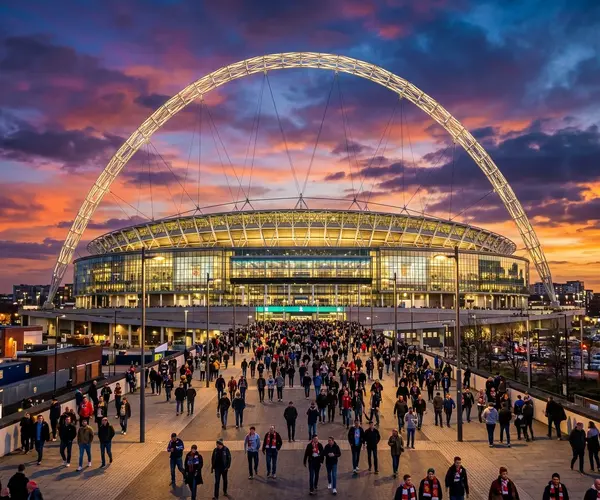
The original stadium was demolished in 2003 and replaced with the current 90,000-seat venue, which opened in 2007. Its signature 133-metre arch is visible across London and has become an icon of the city's skyline. The new stadium has hosted:
- UEFA Champions League finals (2011, 2013, 2024)
- Euro 2020 semi-finals and final
- NFL International Series games
- Olympic football at London 2012
- World title boxing bouts
Why It Still Matters
For English football, playing at Wembley remains the pinnacle. Lower-league clubs dream of a Wembley cup final. The FA Cup semi-finals moved here in 2008, meaning more fans get to experience the stadium each year. Though no club calls Wembley its permanent home, the England national team treats it as sacred ground. Its combination of history, scale and atmosphere keeps it at the centre of British sporting culture.