The Biggest Club Ground in London
Tottenham Hotspur Stadium seats 62,850 spectators across four stands, making it the largest club football ground in London and the third largest in England after Old Trafford (74,310) and the remodelled Anfield. It surpassed Arsenal's Emirates Stadium, which holds 60,704, and is considerably larger than Stamford Bridge (40,343) and the London Stadium at the Olympic Park (62,500 for football).
The stadium was built on the site of the old White Hart Lane, which had a capacity of just 36,284 in its final years. The new ground nearly doubled the number of seats available.
The South Stand
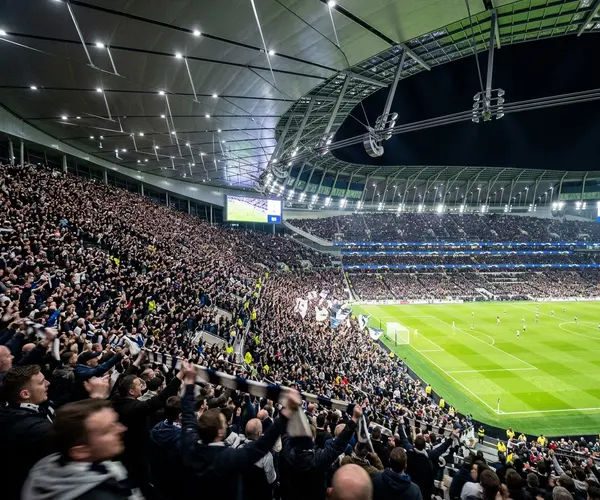
The most striking feature of the stadium's capacity is the South Stand. This is a single continuous tier of seating that holds 17,500 supporters. It was designed to replicate the atmosphere of the famous Kop at Anfield and the Yellow Wall at Borussia Dortmund's Signal Iduna Park.
The single-tier design means home supporters are packed together without the interruption of executive boxes or walkways, creating a wall of noise behind one goal. It is the largest single-tier stand in the country and one of the largest in Europe. On matchdays, the South Stand is reserved for the most vocal home fans and is widely regarded as one of the best atmospheres in English football.
How It Compares
Among London stadiums, only Wembley (90,000) and Twickenham (82,000) are larger, but both are national venues rather than club grounds. In the Premier League, the stadium sits comfortably in the top tier for capacity.
The size was a deliberate choice by the club. A larger stadium means more matchday revenue from every home game without relying on naming rights deals that other clubs have pursued. The increased capacity also reflects the growth of Tottenham's fanbase and their ambition to compete with the largest clubs in Europe.
Built for More Than Football
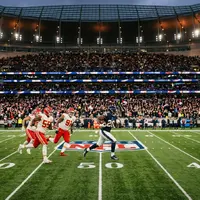
The 62,850 capacity applies to the football configuration, but the stadium was designed to host other events too. For NFL games, the capacity remains similar but the seating layout adjusts to suit the different pitch dimensions. For concerts, the floor area in front of the stage adds standing capacity, pushing total attendance even higher.
The stadium also has the infrastructure to host boxing, rugby and other major events, making the investment in a large-capacity venue commercially viable beyond the 19 home Premier League matches each season. It was even purpose-built to host NFL games with a retractable pitch system unique in world football.
Design and Sightlines
Despite its size, the stadium was designed to keep every seat as close to the pitch as possible. The steepest rake is in the lower tiers, meaning even back-row seats in the upper tier have clear sightlines. There are no restricted-view seats, and the bowl shape ensures noise stays inside the ground rather than escaping upwards.
The architects, Populous (who also designed Wembley and the Emirates), used a design that prioritises atmosphere and intimacy. Fans sitting in the front row of the lower tier are just 5 metres from the touchline, closer than at almost any other Premier League ground.