The Current Ground
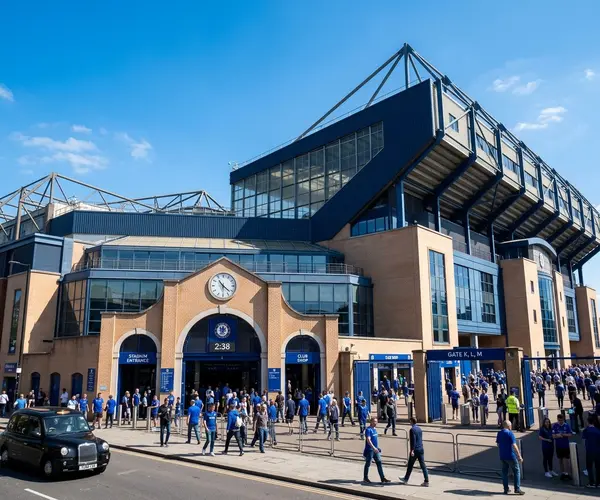
Stamford Bridge holds 40,343 spectators across four stands. This makes it the eighth-largest Premier League stadium, a ranking that many feel does not reflect Chelsea's status as one of the biggest clubs in English football.
The stadium is located in Fulham, West London, squeezed into a tight urban site that has made expansion extremely difficult over the years. The four stands are the Matthew Harding Stand, the Shed End, the East Stand and the West Stand. Each has been rebuilt or renovated at different times, giving the ground a slightly uneven character compared to purpose-built modern stadiums.
A History at Stamford Bridge
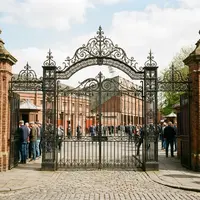
The relationship between Chelsea and Stamford Bridge is unusual in football. The stadium actually came first. Stamford Bridge was built in 1877 as an athletics ground, and when businessman Gus Mears acquired it in 1904, he initially offered it to Fulham FC. The full story of how Chelsea were founded to fill the ground is one of the most unusual in English football. When Fulham declined, Mears founded Chelsea Football Club in 1905 specifically to fill the stadium.
This means Chelsea have played at the same ground for their entire existence. Very few major football clubs can make this claim, and the historical connection between the club and the site is deeply important to supporters.
Over the decades, the ground has been progressively redeveloped. In the 1970s and 1980s, the terraces were among the most atmospheric in English football, though the facilities were basic by modern standards. The stadium was rebuilt in stages during the 1990s and early 2000s, transforming it into an all-seater ground.
The Capacity Challenge
At 40,343, Stamford Bridge is significantly smaller than the homes of Chelsea's main rivals. Arsenal's Emirates Stadium holds over 60,000, Tottenham's new ground seats just under 63,000, and Manchester United's Old Trafford accommodates over 74,000. This size disparity has commercial implications, limiting matchday revenue compared to competitors.
The tight urban setting of the ground makes simple expansion impractical. The stadium is bordered by railway lines, residential streets and the Fulham Road, leaving very little room to build outward.
Plans for a New Stadium
Chelsea have explored various options for increasing their capacity over the years. The most prominent proposal involved demolishing the current Stamford Bridge and building a new 60,000-seat stadium on the same site, designed by architects Herzog and de Meuron. The striking design featured a brick lattice exterior inspired by the local area.
Planning permission was granted in 2017, but the project was subsequently put on hold. The club's ownership changes and the complexities of building a major stadium in a dense residential area have kept the timeline uncertain.
An alternative option that has been discussed is relocating to a new site entirely, though this remains controversial among supporters who value the historical connection to the Fulham Road location.
What It Means for Fans
Despite its relatively modest size, Stamford Bridge generates a strong atmosphere on match days. The proximity of the stands to the pitch creates an intimacy that is lost in some larger, more modern venues. The Matthew Harding Stand in particular is known for its vocal support and is considered the heart of the ground's atmosphere.