Ascot Racecourse
Britain's most prestigious racecourse — home to Royal Ascot and over 300 years of world-class horse racing in Berkshire
Britain's most prestigious racecourse — home to Royal Ascot and over 300 years of world-class horse racing in Berkshire
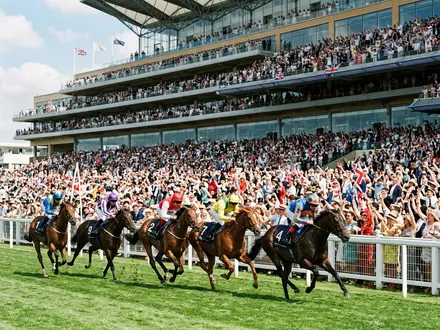
Ascot Racecourse has been the home of British flat racing since Queen Anne founded it in 1711. Set in the Berkshire countryside just 25 miles west of London, it hosts 26 race days each year, crowned by the five-day Royal Ascot meeting every June.
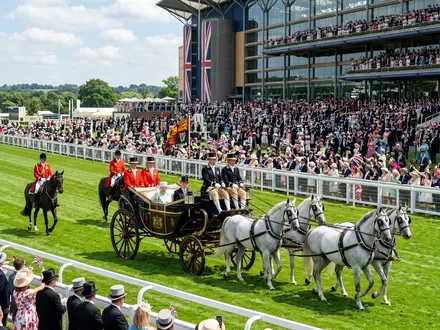
Royal Ascot draws over 300,000 visitors across the week, blending elite horse racing with high fashion and royal pageantry. The Royal Procession, a tradition since 1825, sees the King arrive by carriage along the course before each day's racing begins.
Queen Anne founded Ascot Racecourse in 1711 after riding out from Windsor Castle and discovering an area of open heathland she judged perfect for racing. The first meeting took place on 11 August that year, with Her Majesty's Plate the inaugural race — a gruelling contest of three four-mile heats carrying twelve stone.
The racecourse grew in stature under successive monarchs. George IV introduced the Royal Procession in 1825, establishing the carriage drive up the Straight Mile that remains the most recognisable tradition in British racing. Queen Victoria made Royal Ascot a highlight of the social calendar, and Edward VII transformed it into the fashionable spectacle it remains today. His death in May 1910, just before that year's meeting, led to the famous "Black Ascot" where all attendees dressed in mourning.
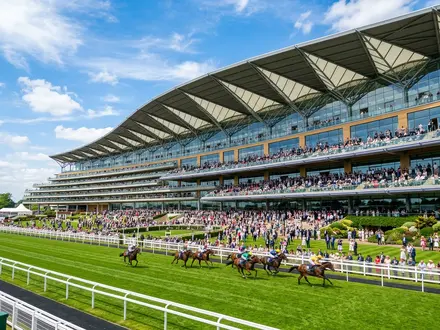
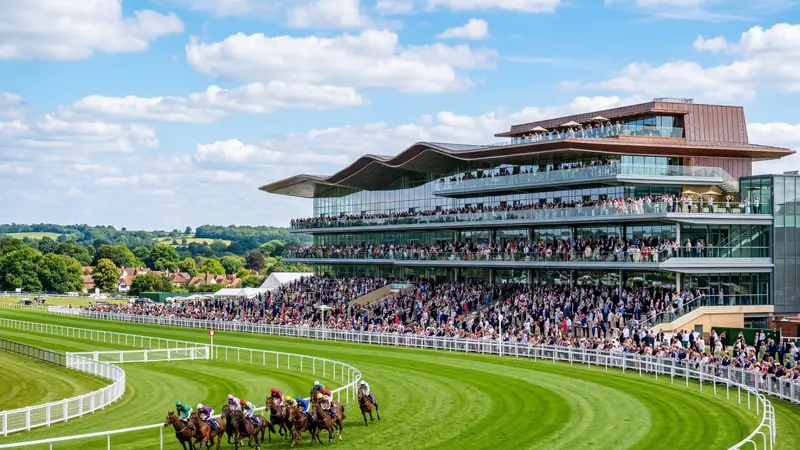
A major redevelopment completed in 2006 replaced the old stands with a sweeping modern Grandstand designed by HOK Sport, adding five tiers of dining, viewing and hospitality across 200 metres of the finishing straight.
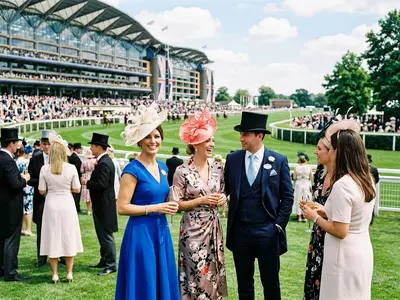
Ascot hosts 26 fixtures across the flat and jumps seasons, but the centrepiece is Royal Ascot every June. Spread over five days, it features Group 1 races including the Gold Cup, the Queen Anne Stakes and the Diamond Jubilee Stakes. The dress code is famously strict — top hats and morning suits in the Royal Enclosure, smart outfits throughout.
Beyond June, the autumn programme includes Champions Day in October, British racing's richest single-day fixture. The jumps season runs from November to April, offering a more relaxed atmosphere with lower ticket prices and no formal dress requirements.
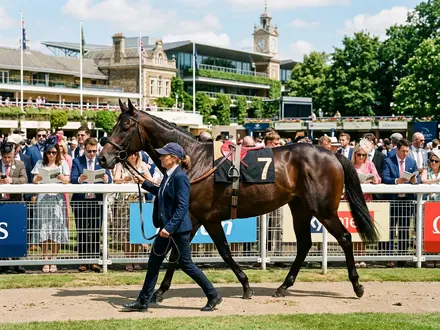
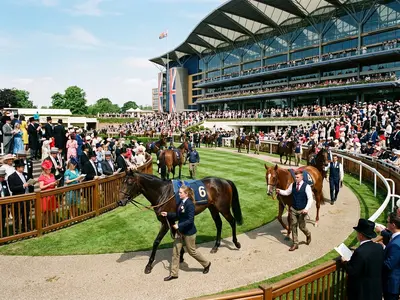
On any race day, the Parade Ring is the place to study the horses before each race, while the Grandstand's upper tiers give panoramic views of the course. Food ranges from Michelin-quality restaurants to informal picnic areas in the Queen Anne Enclosure.
Ascot sits in Berkshire, six miles from Windsor Castle. The most popular route from London is by train: South Western Railway runs direct services from Waterloo taking around 52 minutes, with Ascot station a flat ten-minute walk from the racecourse gates. Additional services run from Reading (27 minutes) and Clapham Junction.
By car, the racecourse is signposted from Junction 3 of the M3 and Junction 6 of the M4. On-site car parks must be pre-booked for major meetings, and traffic on surrounding roads can be heavy, so arriving early is advisable. Shuttle buses operate from the station on Royal Ascot days.
Tickets should be booked online in advance via ascot.com, especially for Royal Ascot where popular enclosures sell out months ahead. The Queen Anne Enclosure offers the most affordable entry from around thirty pounds, while the Grandstand starts at roughly ninety-five pounds.
Prices vary by fixture. Royal Ascot tickets are higher than standard race days and sell out well in advance
Popular enclosures sell out months in advance. Set a reminder when tickets go on sale, usually in the autumn before the following June's meeting.
The Royal Enclosure requires top hats and formal attire. Other enclosures have their own rules. Read the dress code on the Ascot website to avoid being turned away.
Direct services run every 30 minutes and the station is a short walk from the gates. Driving means heavy traffic and expensive parking on big race days.
The carriage procession starts at 14:00 on each day of Royal Ascot. Get to the rails along the Straight Mile by 13:45 for the best view.
Winter jump racing at Ascot is far cheaper and less formal than the flat season. No dress code, lower prices, and a friendly atmosphere with excellent racing.

London Travel Writer · 12+ years covering UK attractions and tourism
Last reviewed: March 9, 2026