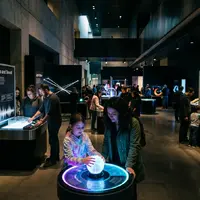
Free Entry to the Main Galleries
The Science Museum in South Kensington has been free to visit since 2001, when the UK government reintroduced free admission to national museums. The permanent collection includes over 300,000 objects spread across five floors, and all the main galleries are accessible without a ticket.
You can see Stephenson's Rocket, the Apollo 10 command module, early computing machines, medical instruments, steam engines, aircraft and thousands of other objects that tell the story of scientific and technological progress. None of these require any payment.
What You Might Pay For
A few areas within the museum do carry a charge. The IMAX cinema, which shows science and nature films on one of the largest screens in the country, requires a paid ticket. The Wonderlab gallery, an interactive science experience with live demonstrations and hands-on exhibits, also requires a ticket.
Some temporary special exhibitions are ticketed too. These tend to be large-scale shows on specific themes and are housed in dedicated exhibition spaces separate from the free galleries.
Its Neighbour
The Science Museum sits directly next to the Natural History Museum on Exhibition Road. The two buildings are so close that many visitors combine them in a single day. Both are free to visit, which makes this stretch of South Kensington one of the most rewarding free days out in London.
The Victoria and Albert Museum is also just across the road, giving you three world-class free museums within a few minutes' walk of each other.
How Free Admission Is Funded
Like other national museums, the Science Museum receives a grant from the UK government through the Department for Digital, Culture, Media and Sport. This public funding supports the free admission policy for the permanent collection.
The museum also generates income through its paid attractions, its shops and cafes, corporate sponsorship, private events, educational programmes and the Science Museum Group's other sites around the country. Voluntary donations are encouraged but never required.
Making the Most of Free Entry
Because there is no ticket cost, you can visit as often as you like and stay for as long or as little as suits you. This is particularly useful for families with young children, who may not last a full day but can return multiple times to explore different floors.
The museum is busiest during school holidays and on rainy weekends. Weekday mornings outside term time tend to be the quietest. The free galleries alone offer enough to fill several hours, so you do not need to purchase any paid extras to have a worthwhile visit.