Finding the Painting
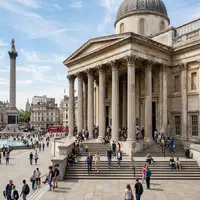
Van Gogh's Sunflowers is in Room 43 of the National Gallery, which is in the east wing of the main building. The room is part of the Post-Impressionist galleries, alongside other works by Van Gogh, Cézanne, Seurat and Gauguin. The gallery is completely free to visit, and free floor plans are available at the entrance desks and on the gallery's website. Staff can point you in the right direction if you ask.
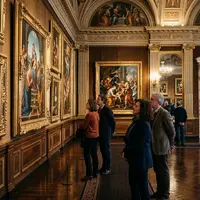
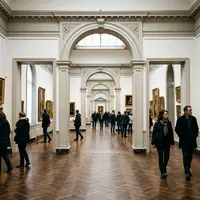
Room 43 is one of the most visited rooms in the entire gallery. The painting is usually the focal point, hung on its own section of wall with space for visitors to stand and look. Expect a small crowd, but the room is large enough that you will not struggle to see it.
The Painting Itself
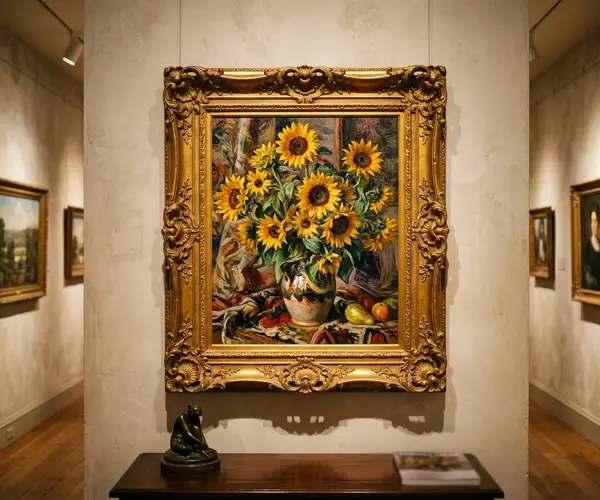
Van Gogh painted this version of Sunflowers in August 1888 in Arles, in the south of France. He created it to decorate the room of his friend and fellow artist Paul Gauguin, who was coming to stay. The painting shows a vase of fifteen sunflowers in various stages of bloom, from buds to flowers in full decay.
What makes the painting so striking is the intensity of the colour. Van Gogh used multiple shades of yellow, from pale lemon to deep ochre, building up thick layers of paint that give the surface a tactile, almost sculptural quality. He signed the painting simply "Vincent" on the vase, one of the few works he signed with his first name.
Part of a Series
The National Gallery's Sunflowers is one of several versions Van Gogh painted. He produced two initial compositions in August 1888, then made repetitions of both in January 1889. Other versions are held by museums in Amsterdam, Munich, Tokyo and Philadelphia. A private version sold at auction in 1987 for nearly 25 million pounds, which at the time was the highest price ever paid for a painting.
Van Gogh himself considered the sunflower paintings among his most important works. In letters to his brother Theo, he described them as paintings that would "glow" against the whitewashed walls of the Yellow House in Arles where he lived and worked.
Why It Matters
The Sunflowers has become one of the most recognisable images in all of art. It appears on postcards, posters, mugs, tea towels and countless other reproductions. This ubiquity can make it easy to underestimate, but standing in front of the original reveals details that no reproduction captures. The thickness of the paint, the subtle variations in tone, the energy of the brushwork and the sheer physical presence of the canvas all come through only in person.
The painting also represents a pivotal moment in art history. Van Gogh's use of colour for emotional expression rather than realistic representation helped open the door to Expressionism and much of modern art that followed.
Best Time to Visit
Room 43 is busiest on weekend afternoons and during school holidays. If you want a quieter experience, visit on a weekday morning, particularly in the first hour after opening. The gallery opens at 10am, and the Post-Impressionist rooms tend to fill up as the day progresses.