The Film That Made Portobello Road Famous
Portobello Road Market was already well known to Londoners and antiques enthusiasts before the 1999 film Notting Hill was released, but the romantic comedy transformed it into one of London's most visited tourist destinations. The film tells the story of a bookshop owner, played by Hugh Grant, who falls in love with a Hollywood actress, played by Julia Roberts, against the backdrop of the Notting Hill neighbourhood and its famous market.
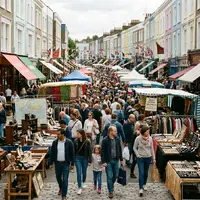
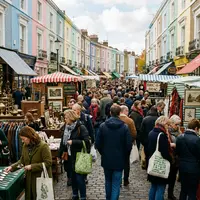
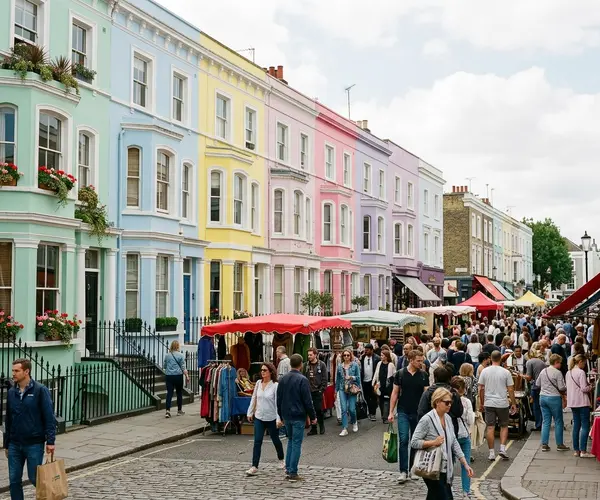
The film captured something genuine about the area. The pastel-coloured houses, the village-like atmosphere, the independent shops and the Saturday market bustle were all real features of Notting Hill that the filmmakers used to create a romanticised but recognisable version of the neighbourhood. The result was a film that made millions of people around the world want to visit Portobello Road.
The Famous Blue Door
One of the film's most iconic images is the blue front door of Hugh Grant's character's flat. The actual door used in filming was at 280 Westbourne Park Road, a residential street a few minutes' walk from Portobello Road. The door became such a tourist attraction that the owner eventually sold it at auction and replaced it.
The address still draws visitors who want to see where the famous scenes were filmed, though the door is no longer the vivid blue seen in the film. The street itself is a typical Notting Hill residential road, lined with the Victorian terraced houses that give the area its distinctive character.
The Bookshop
In the film, Hugh Grant's character runs a travel bookshop on Portobello Road. The exterior shots used 142 Portobello Road, which was a real antiques shop at the time of filming. The location has changed hands several times since and is now a gift shop, but it remains a popular stop for fans of the film who want to stand where the scenes were shot.
The interior of the bookshop was a studio set rather than a real shop, so visitors should not expect to walk into the space and recognise it from the film. However, the exterior and the stretch of Portobello Road around it are very much as they appeared on screen.
What the Film Got Right
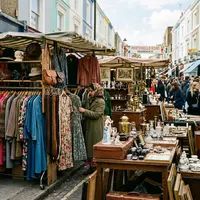
The film's portrayal of Portobello Road and Notting Hill captured many authentic details about the area. The market scenes show genuine stalls and crowds, the neighbourhood streets feature real houses and shops, and the sense of a close-knit community within a larger city rings true. The seasonal montage that shows Hugh Grant walking through the market as the months change is one of the film's most loved sequences, and it shows Portobello Road in different weather and moods.
What the film simplified was the social mix of the area. By the late 1990s, Notting Hill was already gentrifying rapidly, but it retained far more economic and cultural diversity than the film suggested. The Notting Hill Carnival, the Caribbean community's annual celebration, is not referenced in the film, and the neighbourhood's complex social history is largely absent from the story.
Visiting the Film Locations
Walking the Portobello Road film locations takes about 30 minutes at a leisurely pace. Start at Notting Hill Gate tube station and walk north along Portobello Road, passing the former bookshop location at number 142. Continue to the market stalls, which feature in several scenes, and browse the antiques, fashion and food along the way — our guide to what you can buy at Portobello Road Market covers each section. Then loop around to Westbourne Park Road to see the former blue door location. The walk takes you through the heart of the neighbourhood and gives a good sense of the area that inspired the film.